

Prevention Point is a space for practical, easy-to-use prevention tips. Each segment delivers clear, focused messages that explore what prevention looks like in everyday life, breaking down key concepts into ways that are understandable, relatable, and easy to apply.
Welcome to Prevention Point, SAFE Project’s new series focusing on the power of prevention. Throughout the year, we’ll share easy-to-understand information, education, and helpful resources that will help you support prevention efforts. We understand that prevention approaches look different for everyone and that one size does not fit all. These approaches are yours to choose. Our goal is to provide clear, practical, and helpful choices to help you understand and support the needs of you, your families, and your communities.
First up, let’s talk about the Power of Prevention!
Prevention is needed now more than ever as our world faces simultaneous epidemics around substance use, overdose, and mental health challenges. An understanding of what prevention actually is serves as a good starting point.
Effective prevention is taking action to stop possible challenges before they start, or keep them from getting worse. It focuses on building and reinforcing healthy behaviors and lifestyles, reducing risk, and putting supports in place so individuals, families, and communities can be healthy and thrive. Effective prevention can be a solution to many of the challenges that affect us all.
From a prevention lens, many of the actions we take every day are actually prevention in practice— even if we don’t think of them that way. Brushing our teeth helps prevent cavities and long-term dental problems before they require serious treatment. Wearing a seat belt reduces the risk of serious injury or death if a crash occurs. These simple, routine actions are proactive steps taken to protect health and safety before a problem happens.
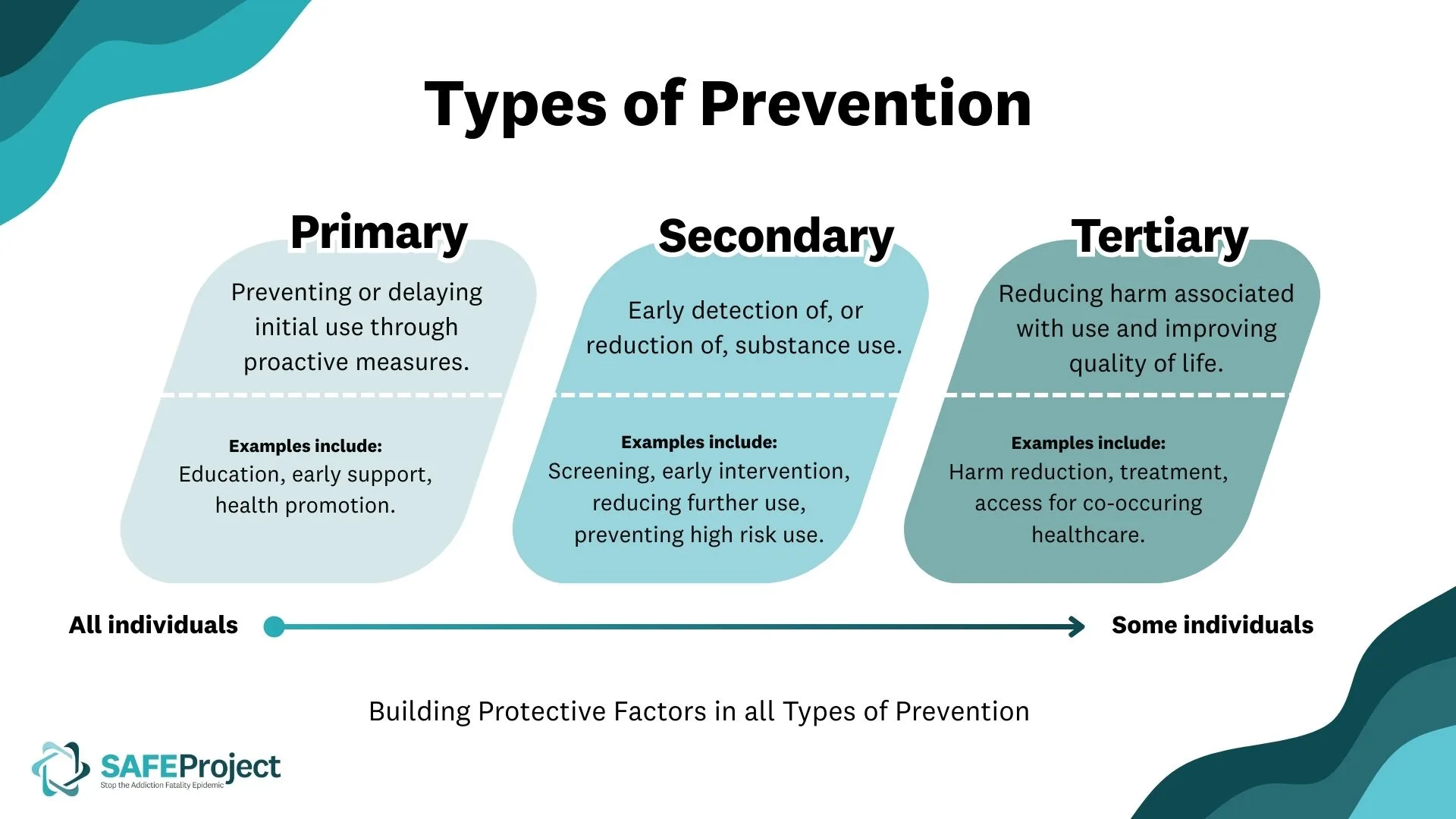
In substance use prevention, there are three main types of prevention: primary, secondary, and tertiary. Primary prevention focuses on stopping problems before they start; secondary focus on early detection and reduction of use; and tertiary efforts work to reduce harm and support healing. Together, all three levels show the intensionality of targeted prevention–of the importance of meeting people and communities where they are and ensuring that everyone has the needed support and resources.
Resources
SAFE Project Prevention Perspectives Webinar: Youth Prevention Transformed by a Paradigm Shift
SAFE Project Prevention Perspectives Webinar: Taking a Public Health Approach to Prevention
SAFE Project Prevention Perspectives Webinar: From Risk to Resilience
SAFE Project Prevention Perspectives Webinar: Back to School Edition
SAMHSA Center for Substance Abuse Prevention
Learn More
-
Prevention Point: The Supports We Need to Thrive: Protective Factors at the Community and Societal Level

This Prevention Point explores how community and societal protective factors, from supportive schools and neighborhoods to accessible resources and healthy policies, shape our well-being. It also highlights everyday ways we can help build stronger, more connected and resilient communities.
-
5 Things to Know About Overdose
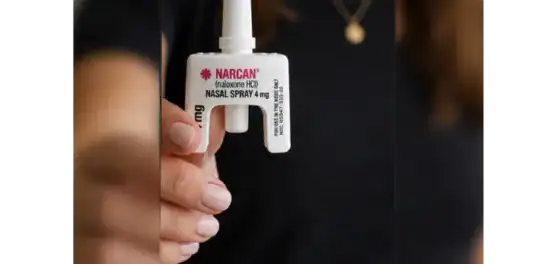
International Overdose Awareness Day is observed each year on August 31. It is a time to remember the people we have lost, support those whose lives have been changed by an overdose, and turn awareness into action. This year, there is real progress to recognize. Final CDC data show 79,384 drug overdose deaths in the…
-
Recovery in College: Finding a College with Support that’s Right for You

This SAFE Project resource is designed to help students and their families navigate that deeply personal decision. It complements existing tools–such as the Association of Recovery in Higher Education’s (ARHE) Collegiate Recovery Directory – by offering questions and considerations that help students understand what collegiate recovery support looks like in practice.