

About Nina
Meet Nina, one of SAFE Project’s Youth VOICE Council members. Nina resides in Texas, with a passion for self-reflection and spreading the importance of taking care of your mental health. Check out her thoughts about how she uses prevention practices on a daily basis and leans on certain rituals to overcome challenges.

Why does prevention matter?
Addiction moves in ways you can’t always predict. Prevention is the part you can touch: noticing someone, staying with them, letting them feel seen. And sometimes that’s enough to make a difference.
Growing up around addiction, I learned how fast shame can isolate someone. Judgment doesn’t just come from the outside—it settles into people, makes them quieter, smaller, harder to reach. What changed my view about prevention is realizing how much destigmatization matters. When someone feels seen without being condemned, they stay in the room. They keep talking. They don’t have to disappear to cope. That kind of presence—unshaming, steady, human—isn’t a cure, but it’s what I believe prevention should be.
How do you practice prevention?
I journal my moods to spot patterns others might miss, pause to notice tension in my body, and reach out to a friend or mentor when stress builds. I also set micro-goals—like stepping outside or hydrating before burnout—to catch problems before they escalate.
We can make prevention tangible by creating low-pressure rituals: weekly check-ins with friends, sharing coping techniques openly, and modeling healthy boundaries. Even small gestures—offering a meal, walking someone home, or just noticing changes in tone—signal care and destigmatize struggle, making support consistent and actionable for anyone.
What topics matter most to young people right now and how can we support?
A prevention program that really changed how I think is Hope Squad, a peer‐to‐peer mental health initiative in schools. It trains students to notice signs of distress, reach out compassionately, and connect classmates with adults and support without judgment. By reducing stigma and encouraging real connection, it shows how prevention works as shared care—not fear, but human presence and understanding.
I wish adults offered guidance that is flexible, not one-size-fits-all. Some young people need clear boundaries, others need space. Overly rigid rules can backfire, while too much freedom without scaffolding leaves people floundering. Effective support requires reading nuance, noticing individual tendencies, and adapting responses in real time. Shift from fear-based messaging to peer-driven, relatable engagement. Programs that let youth share experiences, guide solutions, and feel heard make prevention feel like a partnership instead of a lecture.
“Effective support requires reading nuance, noticing individual tendencies, and adapting responses in real time. Shift from fear-based messaging to peer-driven, relatable engagement. Programs that let youth share experiences, guide solutions, and feel heard make prevention feel like a partnership instead of a lecture.”
What are your top three protective factors and why? (i.e., supportive relationships, safe environments, healthy coping skills, feeling valued, opportunities to engage, and strong personal connections)
The people who see me most, not just friends or family, but those who notice when I retreat or carry shame. Their attention interrupts isolation before it becomes self-doubt or destructive patterns. Being seen doesn’t erase struggle, but it makes it survivable. Also, journaling and mindful reflection aren’t just habits—they are signals to myself that my experience matters. These rituals translate awareness into action, helping me respond to stress rather than letting it accumulate unnoticed.
What prevention messages grab your attention? What would you do differently?
Prevention messages that grab me aren’t warnings or rules—they’re stories. Real people, real struggles, small successes. Messages that show someone being supported, staying connected, or navigating challenges without shame make me pause, reflect, and actually think about how I’d handle things myself. Human connection sticks more than fear ever could.
I’d focus on pattern recognition in everyday life—helping youth notice early signs of stress, risky behavior, or relapse patterns in themselves and peers. The initiative would teach subtle observation and reflection as active skills, rather than relying on rules or scare tactics.
Share Your Story
This epidemic has given us one common experience: we have all become experts in our own way. At SAFE Project, we believe that we strengthen one another by sharing our stories. Whether you are in recovery, have lost a loved one, or are making a difference in your community, you can help others on this journey. We’d like to hear from you.
Learn More
-
How John “The Cat Guy” Is Using His Story to Reach Others in Recovery
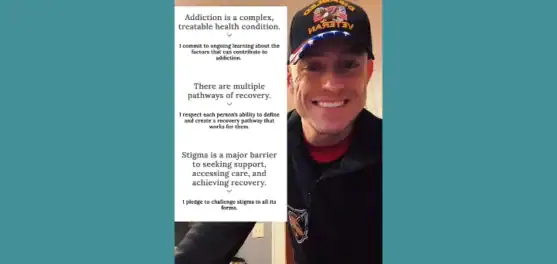
John Riemenschneider shares his recovery journey, exploring addiction, stigma, and how storytelling and connection support long-term recovery.
-
From “Bad Seed?” to Brain Science: Dr. Crystal Collier’s Mission to Make Prevention Practical
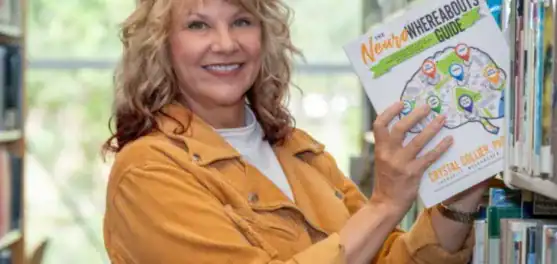
Dr. Crystal Collier shares a brain-based approach to youth prevention, highlighting how neurodevelopment, consistent messaging, and community support can reduce risky behaviors and build protective factors.
-
How PEP is Leading Youth-Powered Prevention
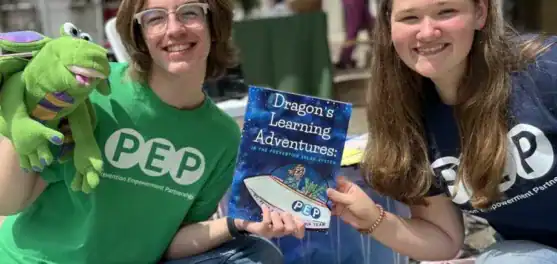
What happens when you stop asking young people to participate in prevention—and start trusting them to lead it? Inside PEP, youth aren’t just part of the work. They’re driving it.
