

SAFE Project x Simply Neuroscience
When students are given both evidence-based education and the space to reflect on lived experience, prevention work becomes real, personal, and actionable.
SAFE Project’s partnership with Simply Neuroscience brings together neuroscience, mental health education, and substance use prevention through a student-centered learning model. As part of the Mental Health and Substance Use Prevention Course, selected high school and undergraduate students explored harm reduction, overdose prevention, stigma, recovery pathways, and categories of prevention (primary, secondary, tertiary). They then translated that learning into original projects rooted in research, creativity, and personal insight.
The result is a collection of work that shows how prevention looks when young people are inspired with knowledge and empowered to lead.
Storytelling as Prevention
Using lived stories to reduce stigma and build connection
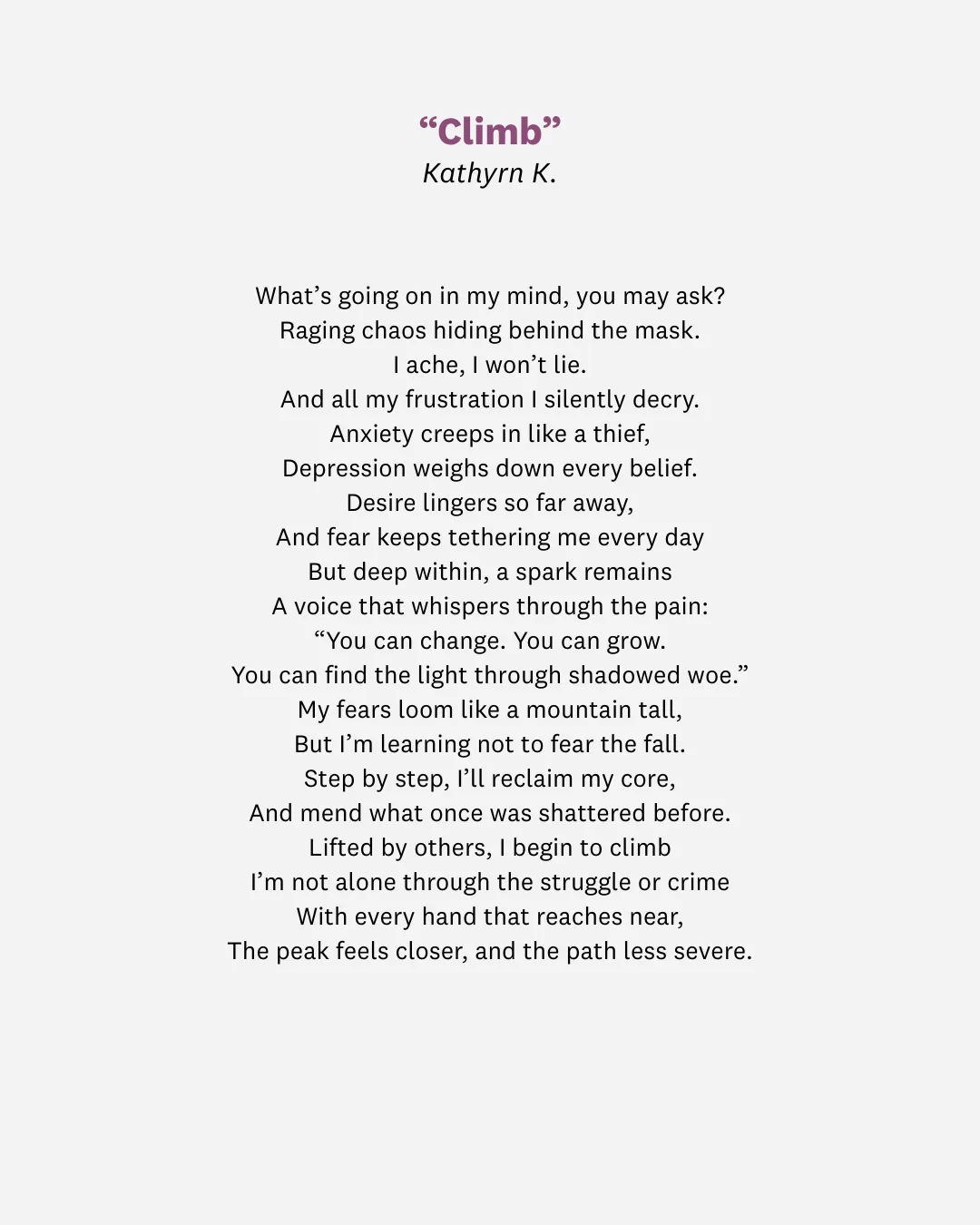
Kathryn K.
2nd Year Student (Sophomore) • Florida
Kathryn contributed a poem titled “Climb,” a creative reflection on anxiety, depression, recovery, and resilience. Her work centers on the idea that healing requires both internal strength and support from others.
“The reason I wrote this poem is to highlight the real power of reaching out, whether to friends, family, or professionals. It is essential to remember that you are never truly alone in your struggle; no matter what storm you are facing, there will always be ‘a hand that reaches near.’”
While community plays a critical role, Kathryn also reflected on the internal strength required to begin healing.
“I personally grow through the people who surround me, the ones I trust, because they give me the steady encouragement to keep going, to keep climbing the mountain. Yet the first step toward healing demands a strength that must rise from within you.”

Her reflection underscores that change begins with a conscious decision to confront fear and shift perspective.
“It begins with a single decision: to change, to think differently, to regard your life through a different lens. You cannot escape what scares you unless you seize that very fear, break its hold on you, and master it instead of allowing it to master you.”
Kathryn’s work demonstrates how storytelling can serve as a powerful tool in prevention by affirming connection, agency, and hope.
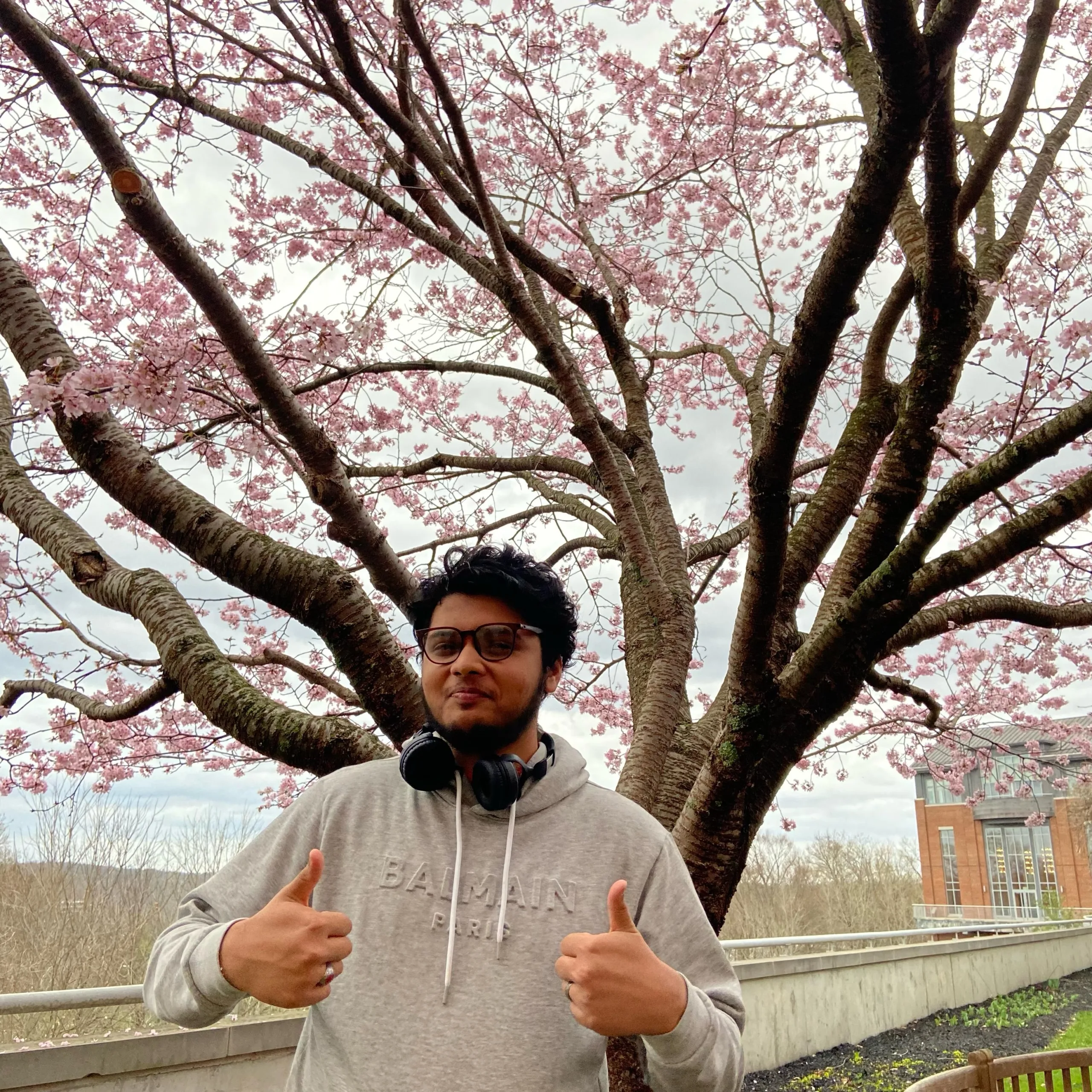
Farhan Z.
2nd Year Student (Sophomore) • Ohio
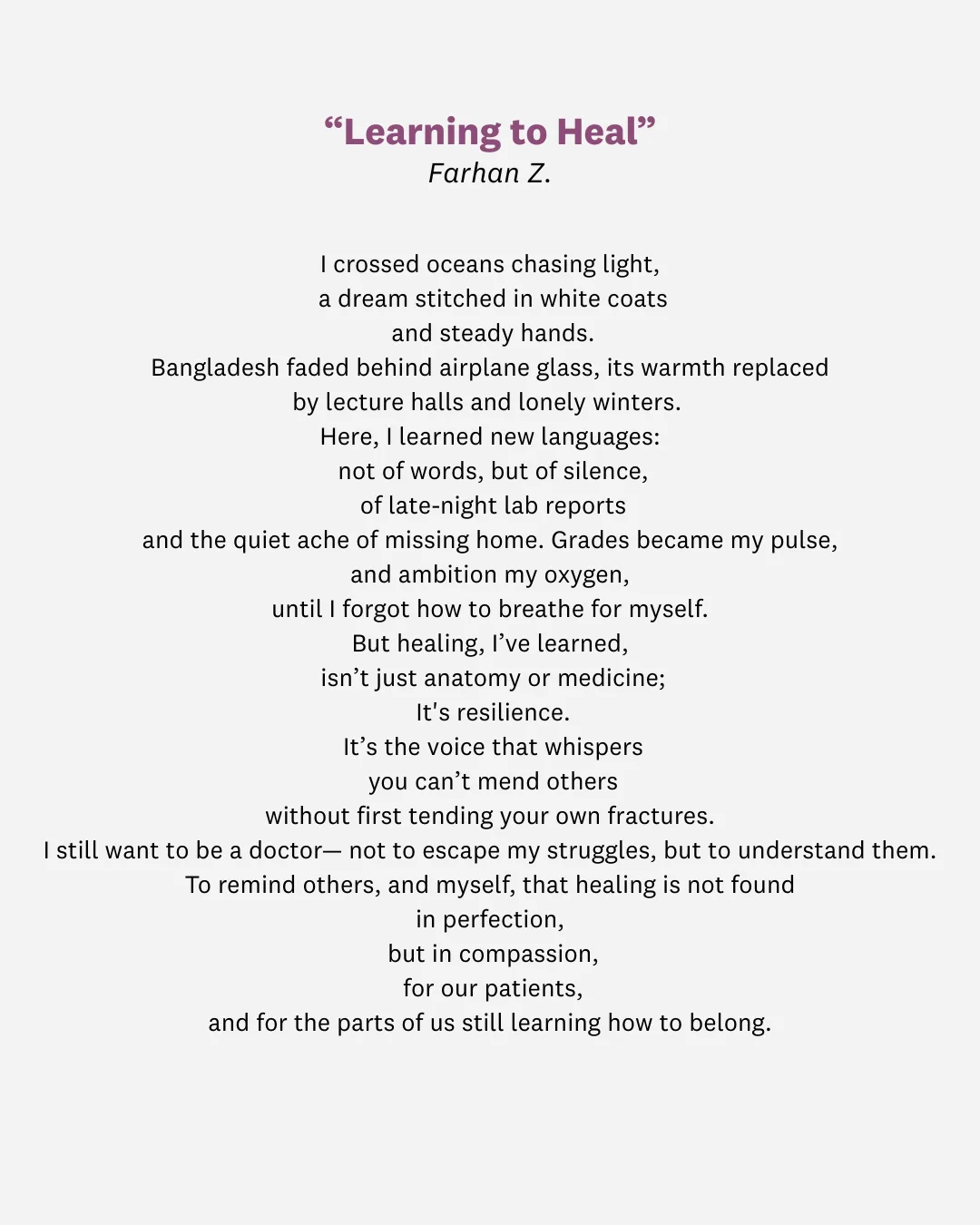
Farhan’s poem, “Learning to Heal,” reflects on transition, identity, and the pressure faced by students navigating demanding academic paths. As an international student from Bangladesh, Farhan explored how ambition, isolation, and mental health intersect with his desire to study the diverse field of medicine.
In sharing the context behind his poem, Farhan explained, “‘Learning to Heal’ reflects my experience of coming to the U.S. and the struggles of transition. Being an international student comes with its own hurdles, but these challenges also give us opportunities to grow.”
Exposure to substance use issues in Ohio, combined with his coursework in psychopharmacology, drew Farhan to the program.
“This, along with my psychopharmacology class, made me interested in learning more about the problem and further increased my interest in the program.”
Farhan’s work emphasizes that healing, whether personal or clinical, must be grounded in compassion and understanding, not perfection.
Research, Policy, and Community Action
Turning knowledge into harm-reduction practice
Angel X.
High School Senior, California • SAFE Project Youth VOICE Council
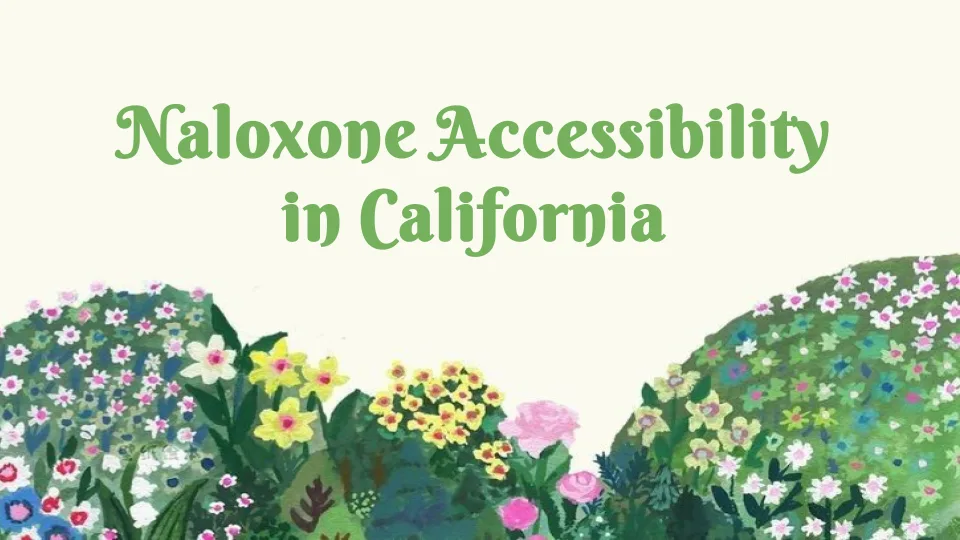
Angel developed a comprehensive presentation examining naloxone accessibility across California. Her project analyzed statewide policies, including the Naloxone Distribution Project, over-the-counter availability, California prescription pricing, and school-based requirements.
Angel also identified persistent gaps between policy and practice. Drawing on personal observation, she noted that naloxone is not consistently available in all school buildings, even when laws require it. Her presentation addressed cost barriers, stigma, and uneven implementation, highlighting the need for accountability alongside legislation.
In addition to this project, Angel is currently working on an at-home drug disposal initiative through the SAFE Project Youth VOICE Council, extending her prevention work beyond the classroom.
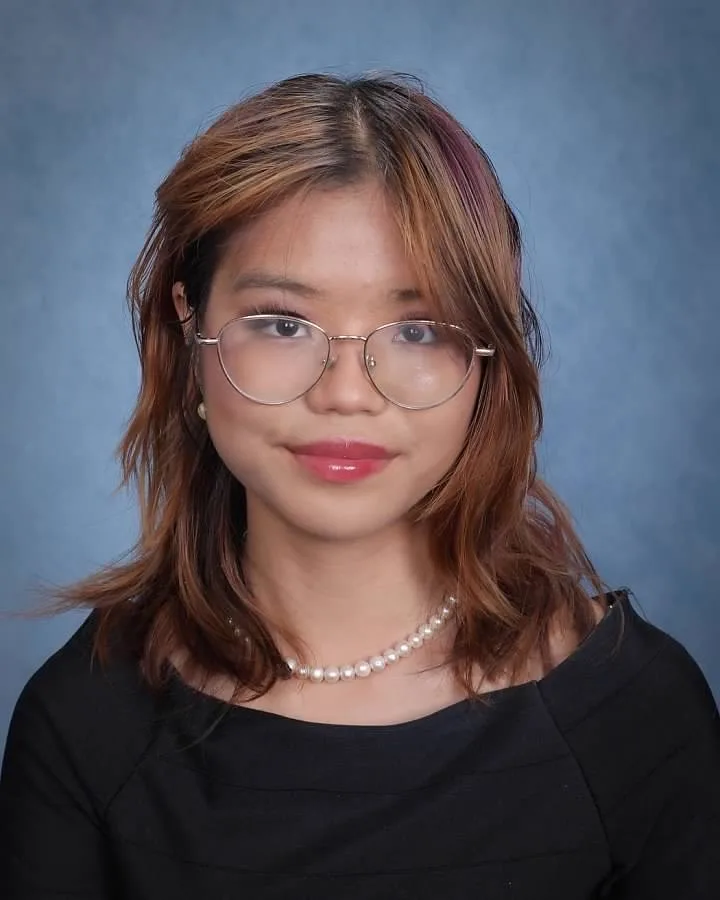
Alexis L.
3rd Year Student (Junior) • California
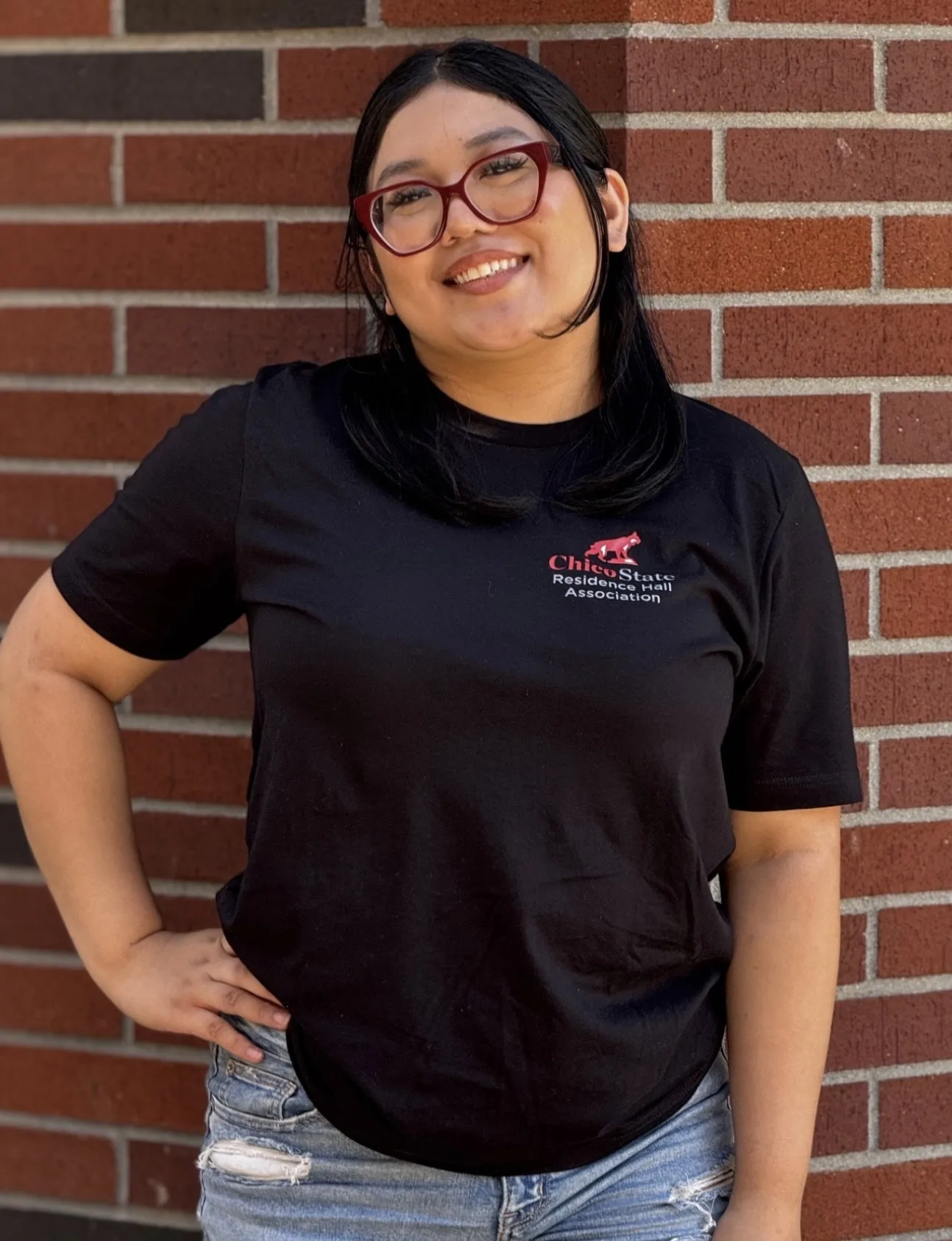
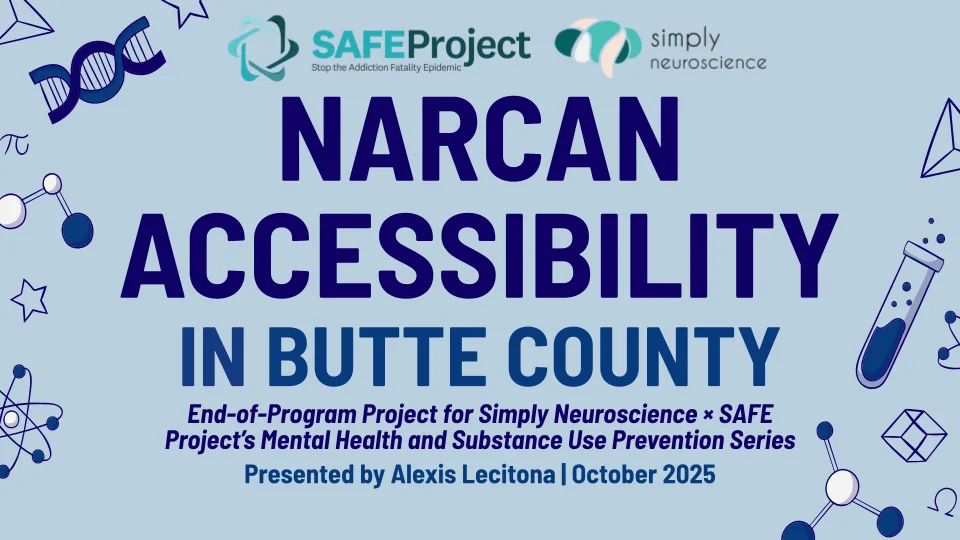
Alexis created a detailed presentation on naloxone accessibility in Butte County, California, mapping free and low-cost access points and examining overdose data, community coalitions, and treatment resources.
Alexis joined the course because of her own lived experience and a desire to better understand how science connects to real-world impact.
“As a student who has personally experienced mental health and substance use challenges, this course became an important part of my journey in understanding who I was and who I am becoming.”
She described the workshops as transformative.
“The workshops gave me insight that went far beyond the basics by deepening my understanding of neuroscience, harm reduction, and community-level prevention.”
Alexis later presented her project to her biology classmates, extending its reach beyond the program.
“I believe people can benefit from my presentation by simply being aware and knowing that they can help someone in need and feel confident in it.”
She plans to continue incorporating prevention and advocacy into her academic and professional path.
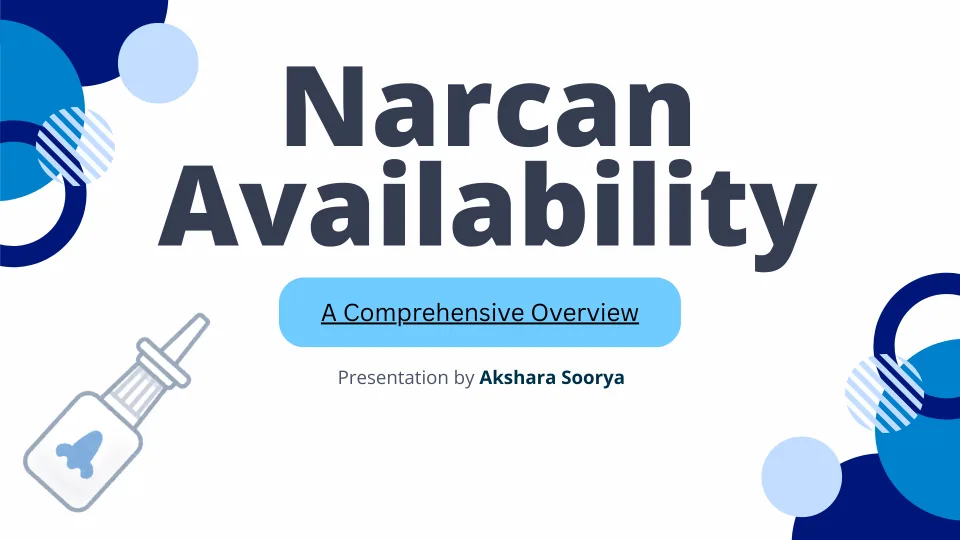
Akshara S.
High School Sophomore, Michigan • SAFE Project Youth VOICE Council
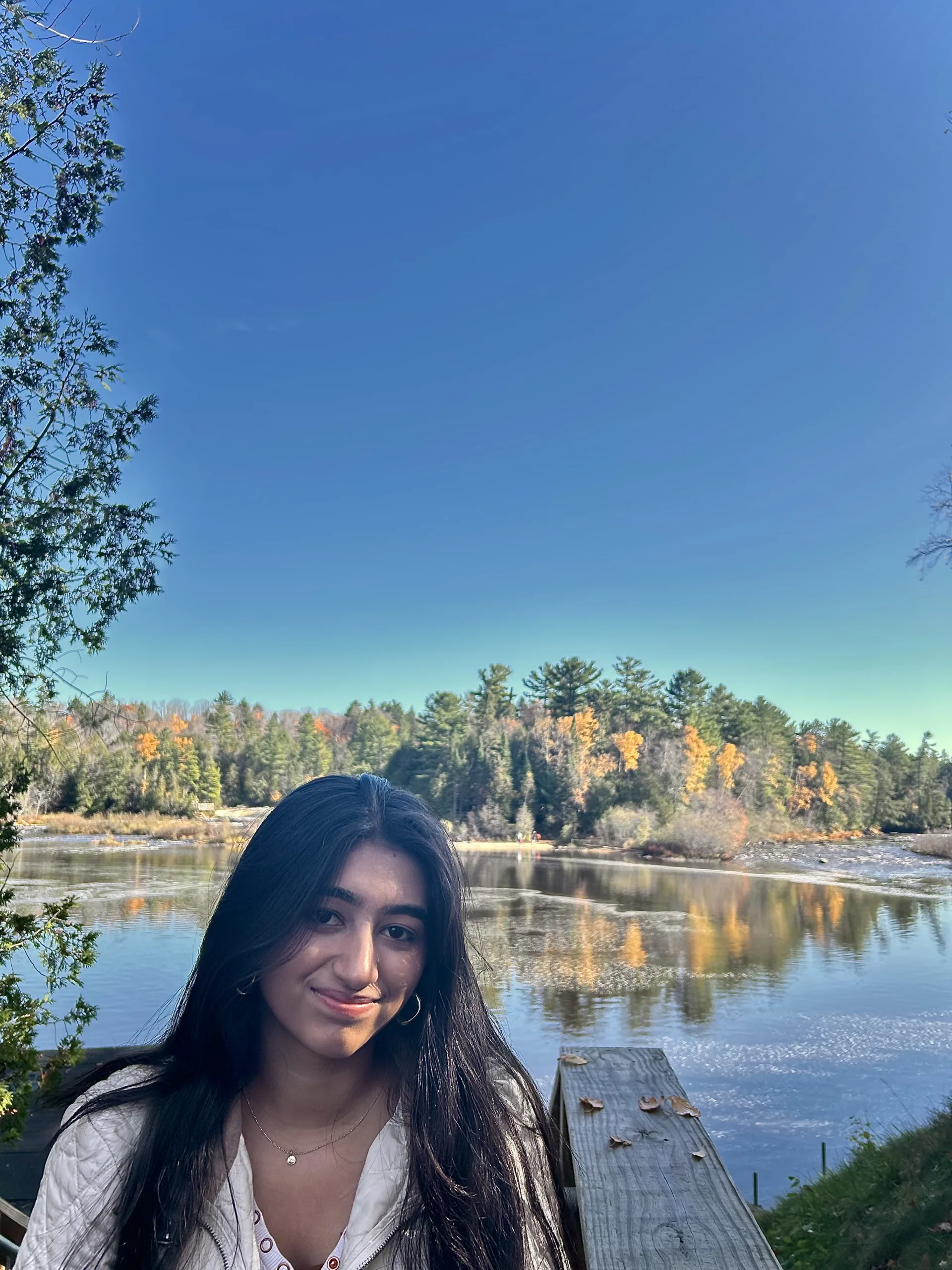
Akshara created a presentation on naloxone availability in Michigan, focusing on access, cost, stigma, and county-level harm-reduction systems.
She enrolled in the course seeking practical tools to turn interest into action.
“I wanted a deeper, structured understanding of how mental health and prevention strategies actually work in real communities.”
The course reframed how she understood prevention.
“The biggest takeaway for me was realizing that prevention is not just about responding to crises. It is about creating systems, habits, and environments that support people long before they reach a breaking point.”
Her project focused on reducing stigma around seeking help, especially in high-pressure academic environments, and encouraging students to view support as a healthy and necessary step.
Building the Next Generation of Prevention Leaders
Together, these projects illustrate the impact of the SAFE Project and Simply Neuroscience partnership. Students were not only taught about mental health and substance use prevention. They were empowered to apply that knowledge through research, creativity, and community engagement.
From poetry that reduces stigma to presentations that examine policy and access, these students demonstrate that prevention work is strongest when it is both evidence-based and human-centered. Their voices represent the future of harm reduction, advocacy, and compassionate public health.
Join Our Youth VOICE Council

SAFE Project’s Youth VOICE (Volunteer, Opportunity, Inspire, Connect, Empower) Council was formed in 2023, providing an opportunity for high school students to work in their communities to overcome the stigma of mental health and substance use disorders.
Are you a high school student looking to get involved? The council meets regularly to discuss new initiatives.
SAFE Project’s Youth VOICE Council generally meets twice a month.
Learn More
-
SAFE Project Launches New “Life’s a Party” Campaign

In support of Recovery Month this September, SAFE Project encourages every member of the recovery community – as well as those interested in supporting the success of individuals in recovery – to participate in the “Fall Into Action” challenge coordinated by HealthCode.
-
Community First: Queer Kentucky’s Approach to Harm Reduction

Notes on harm reduction, queer resilience, and radical care from Queer Kentucky—practical tools and lived wisdom to keep our communities safe.
-
Fall Into Action with SAFE Project and HealthCode

In support of Recovery Month this September, SAFE Project encourages every member of the recovery community – as well as those interested in supporting the success of individuals in recovery – to participate in the “Fall Into Action” challenge coordinated by HealthCode.


