

Each Prevention Point segment will share pointed messages to help readers better understand prevention concepts and guide them to additional information and resources that are responsive and grounded in the needs of people and communities.
SAFE Project works with individuals, families, and communities from across the country who are impacted by addiction. The personal stories align with national data that shows only a small percentage of individuals who want treatment for substance use actually receive it (National Survey on Drug Use and Health). One of the leading reasons given in this report is stigma.
What is stigma – and why does it matter?
Stigma is the negative way people think and talk about substance use. It makes people feel judged and ashamed. It is one of the greatest barriers to getting help and increases the risk of behavior and health problems. Essentially, stigma makes people feel “less than” and unworthy of support, hindering their recovery – sometimes delaying it altogether. Stigma also affects families, making parents and caregivers feel isolated and unsure of what to do or where to turn.
Stigma can take different forms
Public stigma is when society judges or stereotypes people with substance use disorder, seeing them as flawed rather than a person with a treatable health condition. Self-stigma occurs when an individual internalizes negative messages directed at them, which can lead to hopelessness. Structural stigma shows up in laws or systems that make it tough to get help. Affiliate stigma affects family members and friends who may feel blame, embarrassment, fear, and distress.
Prevention and stigma reduction
When individuals, families, and communities lead with compassion, dignity, and respect instead of judgment, people are more likely to take steps to prevent possible challenges before they start — or to keep them from getting worse. Prevention and stigma reduction together support connection, build skills, and empower help-seeking. Reducing stigma is prevention in action!
SAFE Project’s No Shame Movement elevates prevention by providing individuals, communities, and organizations with essential information and practical tools to combat stigma. For more on ways you can help support a shift in how addiction is perceived and discussed, visit SAFE Project at: Join the No Shame Movement.
Be sure to check out Prevention Point #1 about The Power of Prevention!
Resources
SAMHSA 2024 National Survey on Drug Use and Health
PTTC – Preventing and Reducing Stigma in Community Sectors
PTTC Products on Preventing and Reducing Stigma
National Center on Substance Abuse and Child Welfare – Disrupting Stigma Publication
Book: Smash the Stigma by Leanna Troesh. Smash the Stigma: Breaking Barriers to Mental Health and Substance Abuse is a powerful guide aimed at dismantling the stigmas surrounding mental health and substance abuse. Leanna Troesh, drawing from her personal recovery and over fifteen years in behavioral health, offers an authentic narrative blending lived experience, cutting-edge research, and practical strategies.
Recovery Allyship Training
Take the No Shame Pledge
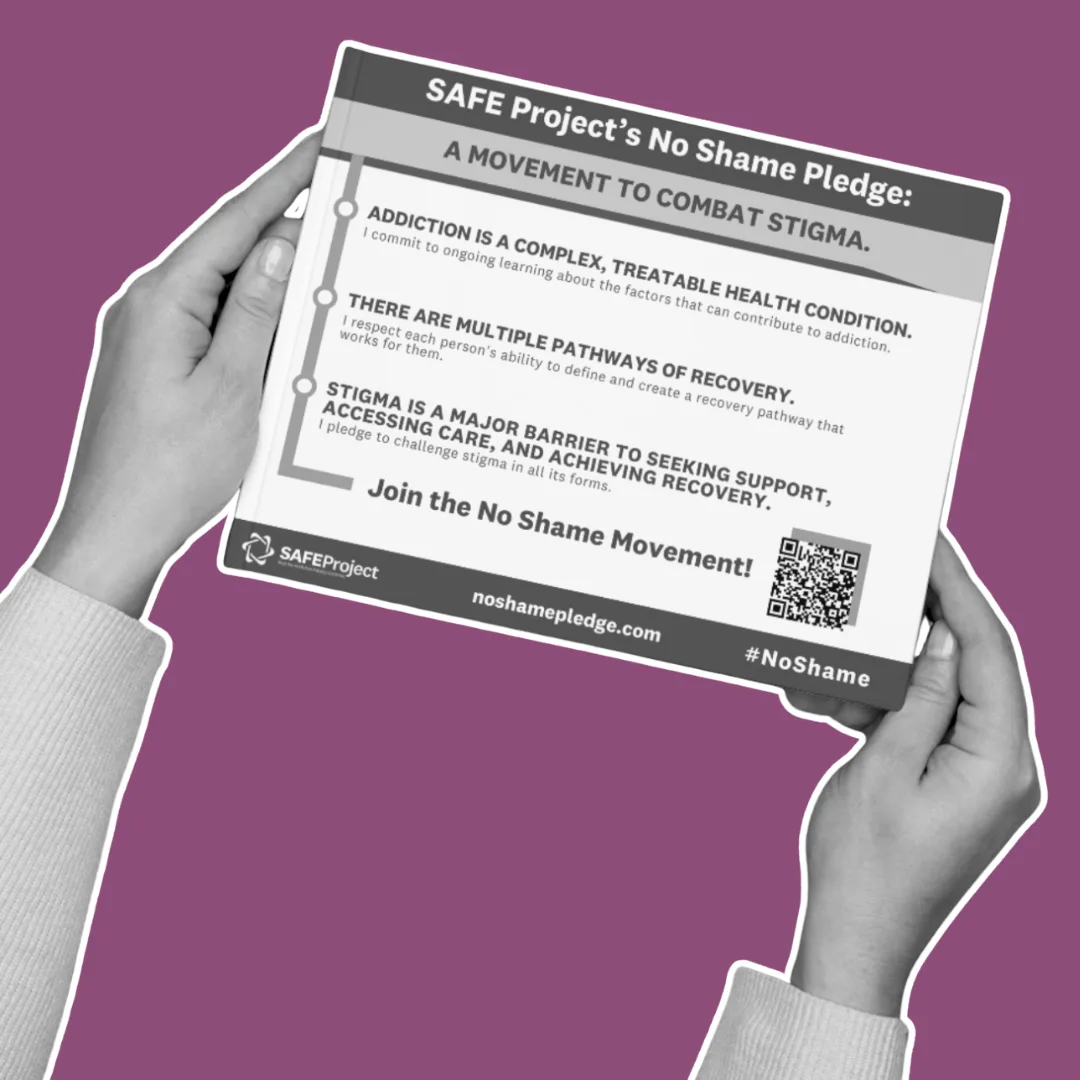
Learn More
-
Prevention Points: What are Protective Factors and Why Do You Need Them?

Prevention Point explores why prevention matters now, breaking down primary, secondary, and tertiary prevention with practical tools to support families and communities.
-
Prevention Points: Supporting Children Affected by Addiction Using Storytelling

Prevention Point explores why prevention matters now, breaking down primary, secondary, and tertiary prevention with practical tools to support families and communities.
-
Prevention Points: The Power of Prevention

Prevention Point explores why prevention matters now, breaking down primary, secondary, and tertiary prevention with practical tools to support families and communities.

