

The Substance Abuse and Mental Health Services Administration (SAMHSA) defines recovery as:
“A process of change in which individuals improve their health and wellness, live self-directed lives, and strive to reach their full potential. This process is personal and holistic, occurring through many pathways and encompassing various aspects of an individual’s life, including mind, body, spirit, and community.”

In essence, there is no right or wrong way to approach recovery. This is a very personal journey, one which isn’t defined by a particular “box” or specific “rules”. What works for some, may not work for others. One thing is for certain. Change is tough, and it’s constant. Sometimes the rewards for change are subtle, and other times they are obvious. Regardless, surrounding yourself with others who are supportive of your efforts is key. As a New York Times best-selling writer, Johann Hari has so aptly stated “the opposite of addiction is connection”.
How Do I Manage it When Others Question my Definition of Recovery?
Generally speaking, it’s helpful to keep an open mind when getting into recovery for the first time. Trying new things, listening to different perspectives, and holding space for new opportunities can be tough but super helpful. Should you encounter anyone who is overbearing or negative towards your way of approaching recovery, politely listen, take what you need, and leave the rest. It’s very important to surround yourself with others who support and empower you during this transition.
I’m New to Recovery. What Resources are Helpful?
You can always visit the SAMHSA website for helpful information — there are some wonderful resources and helpful tools contained within the website. Also, Alcoholics Anonymous, Narcotics Anonymous, and Smart Recovery provide provide resources to help you find support groups in your community or online. In addition, many folks also explore therapy, medication-assisted treatment (MAT), recovery coaching, mindfulness, exercise, and creative practices as part of their recovery pathway. Remember, you’re not alone!… AND if you try one of these resources and it isn’t a good fit, try something different!
Resources & News
-

Prevention Points: What are Protective Factors and Why Do You Need Them?
-

Prevention Points: Supporting Children Affected by Addiction Using Storytelling
-
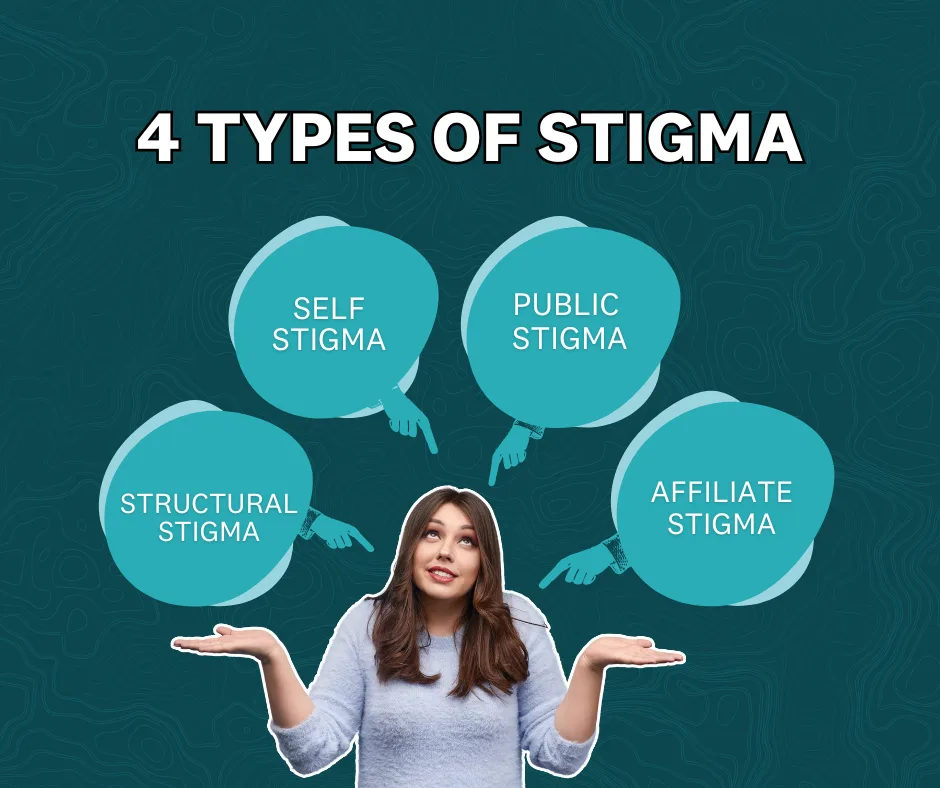
Prevention Points: Stigma Reduction is Prevention
-

Prevention Points: The Power of Prevention
-
Empowering Student Voices Through Science, Prevention, and Storytelling
-
SAFE Project Launches New “Life’s a Party” Campaign
-
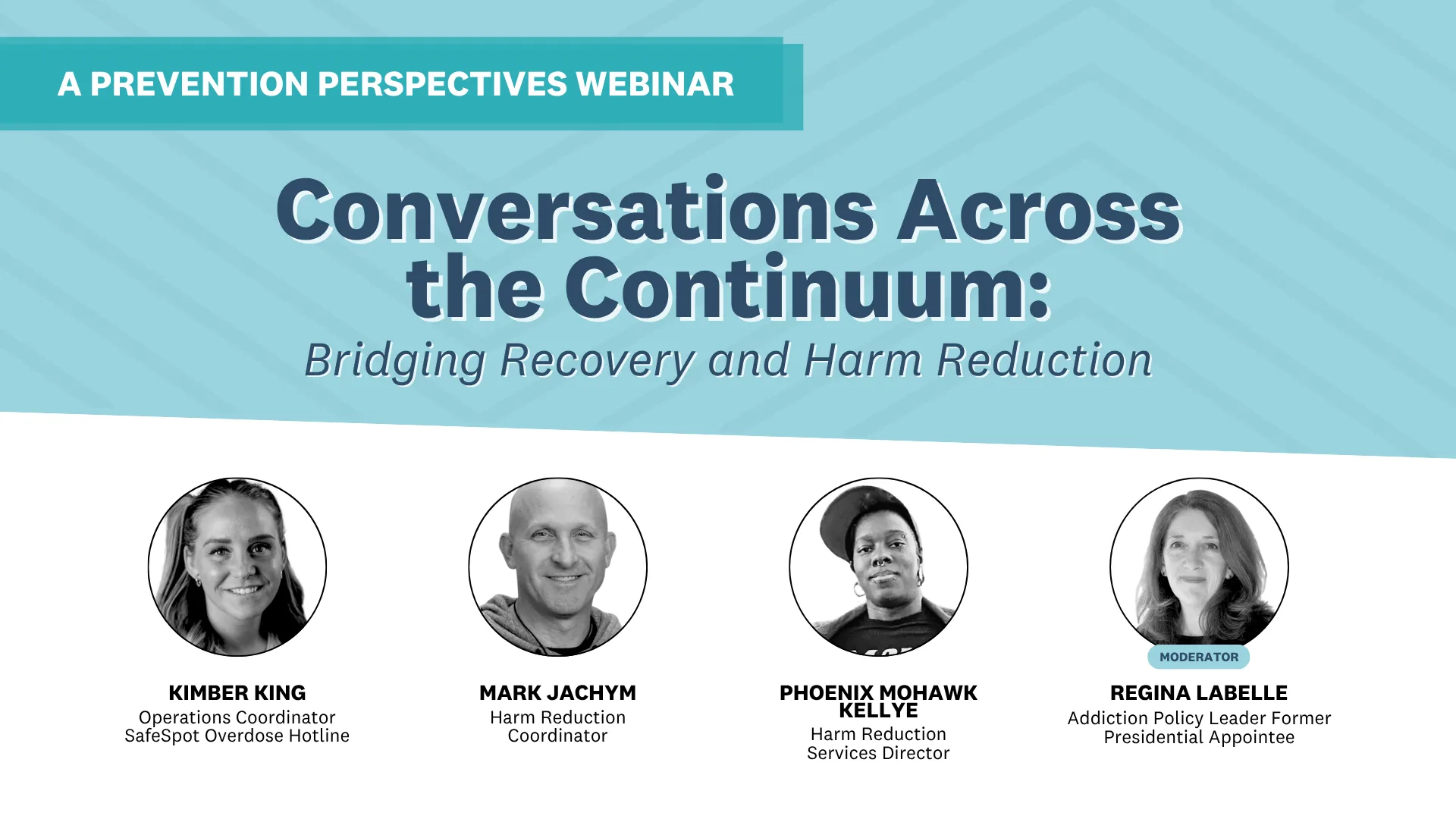
Conversations Across the Continuum: Bridging Recovery and Harm Reduction
-

Treatment, Recovery, and the Realities of Insurance
-
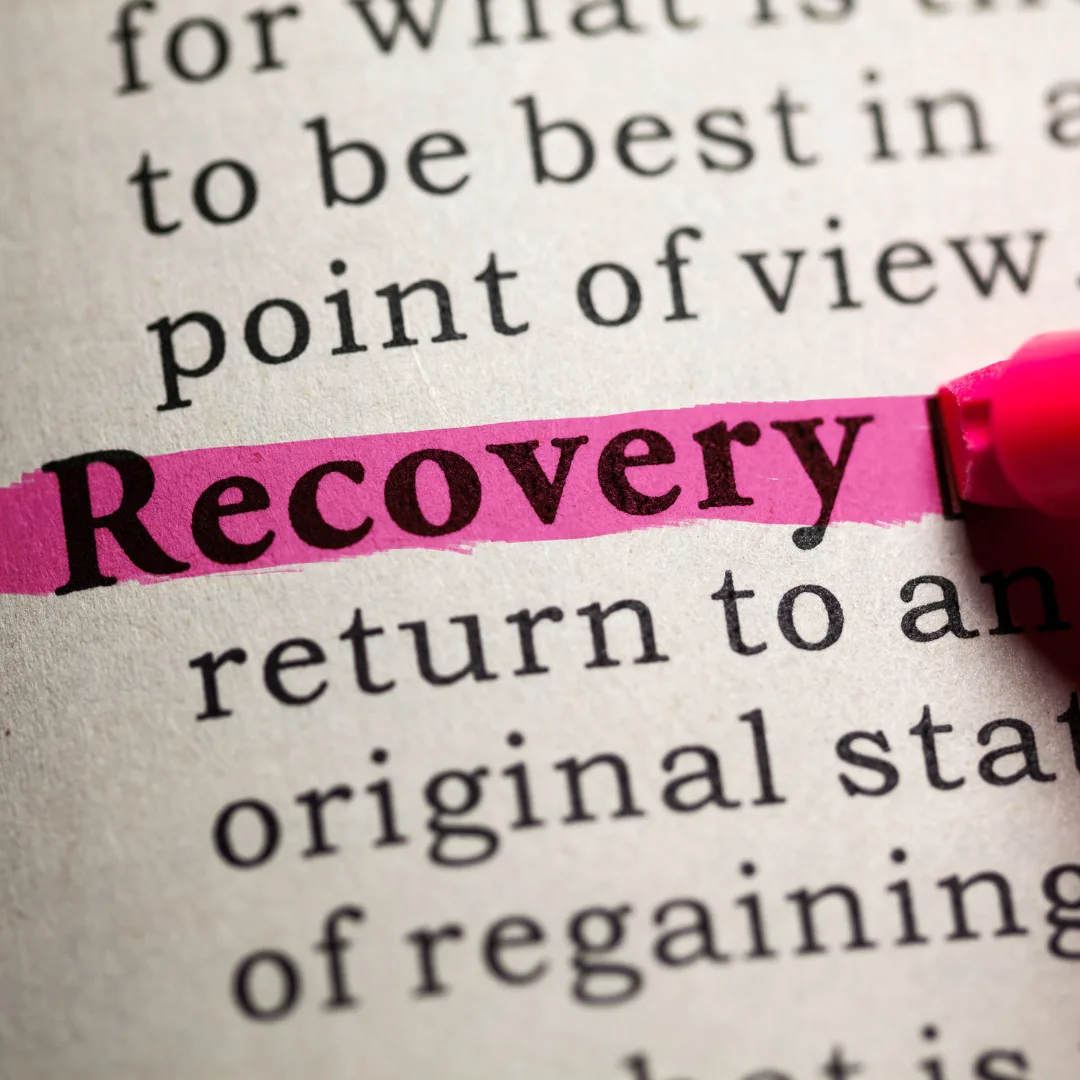
What Does Recovery Mean?