

At SAFE Project, our Communities initiative exists at the intersection of policy, practice, and people. Our work is focused on strengthening the bridges between prevention, harm reduction, treatment, recovery, and reentry.
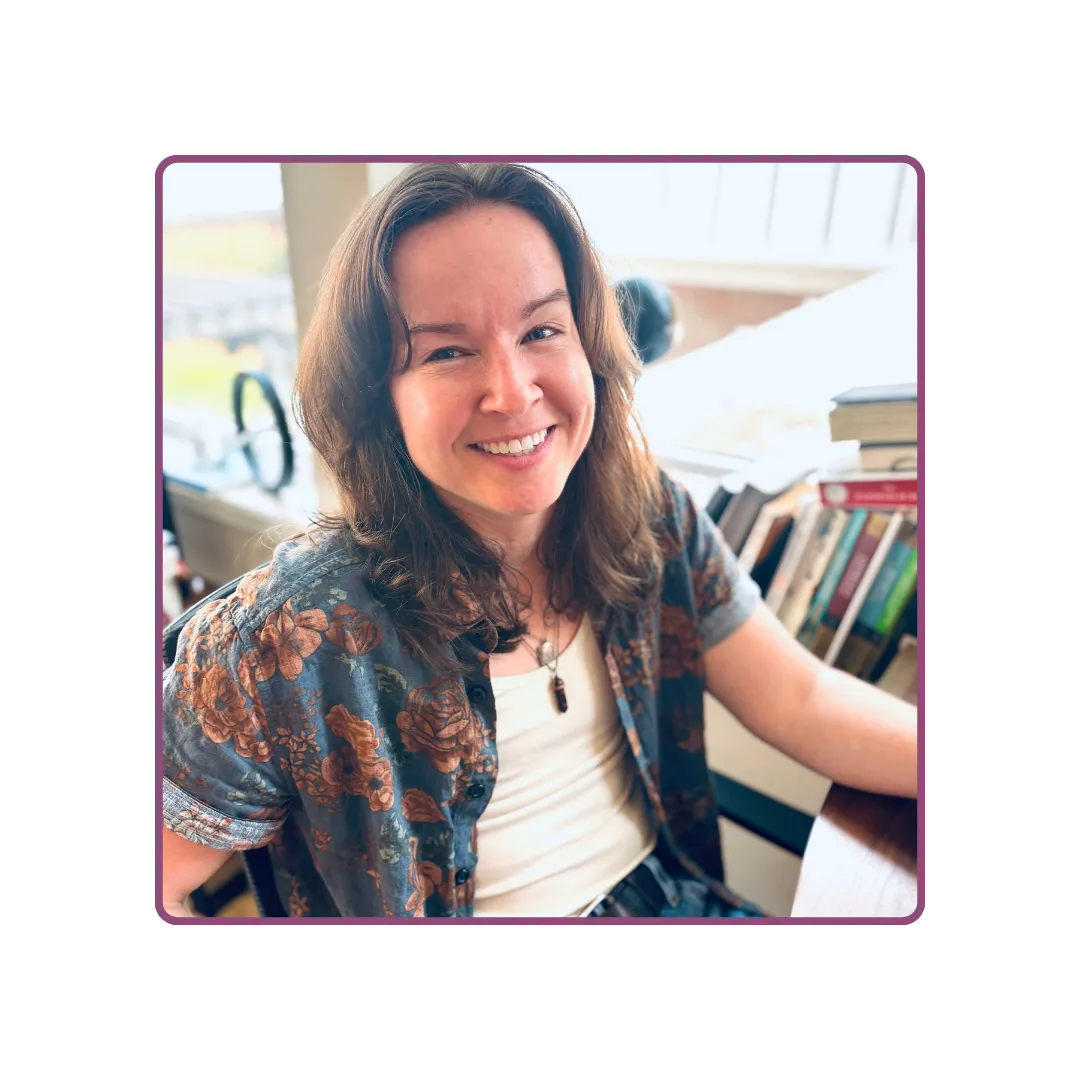
From the SAFE Communities Director
Rachel Bowling
Hello, and happy March! I’m Rachel Bowling, the new Director of the SAFE Communities Initiative at SAFE Project. I’m thrilled to step into this role and look forward to building meaningful partnerships that strengthen communities through prevention and awareness.
At SAFE Project, our Communities initiative exists at the intersection of policy, practice, and people. Right now, our work is focused on strengthening the bridges tissue between prevention, harm reduction, treatment, recovery, and reentry. We recognize this is no small task, but communities experience these as interconnected systems even when funding streams and siloed institutions don’t.
A major focus is the Integrated-Forensic Peer Recovery Specialist (I-FPRS) program, which supports peers working with justice-involved individuals navigating reentry. We recognize that people leaving incarceration face overlapping barriers (housing restrictions, employment bans, disrupted healthcare, family separation, and elevated overdose risk) that require more than a single intervention or philosophy. Our goal is to equip peers with the skills, context, and ethical grounding to support people through these transitions in ways that are realistic, humane, and responsive to local conditions.
Alongside this, Communities is investing in narrative change. We’re working to elevate stories that reflect the full breadth of substance use and recovery. That means looking not just at outcomes, but at processes; not just at success, but at moral complexity in all of its confusing manifestations. This includes highlighting community-driven models and personal narratives that don’t always fit neatly into dominant frameworks, yet demonstrably reduce harm, increase stability, and give insight into the real process of recovery. I encourage you to read our Recovery Story of the quarter as an example of this.
And now, a very little bit about me. My background spans street-based crisis response, housing and reentry support, policy analysis, and addiction studies. I came into this field through both professional training and lived experience, which has shaped how I understand recovery not as a single destination, but as a set of evolving relationships: to self, to community, and to systems of care. I hold a firm belief that credibility comes from listening as much as it does from expertise, and that solutions imposed without community ownership rarely last.
I’m thrilled and grateful to be at SAFE Project, where that belief is reflected in our ideological stance. We are explicitly committed to multiple pathways; not only in how individuals define and pursue recovery, but in how communities design solutions that work for them. What supports healing and stability in one community may not translate directly to another. Cultural context, geography, history, resources, and trust all matter. Abstinence-based models, harm reduction approaches, medication, mutual aid, faith-based support, clinical care, and informal networks can all play meaningful roles, depending on the person and the place.
Rather than prescribing a single model, Communities focuses on helping systems ask better questions: Who is being served? Who is being left out? What barriers are structural rather than individual? And how can communities build responses that are flexible enough to meet people where they are without sacrificing dignity or evidence? Sustainable change comes from honoring both individual pathways and community wisdom.
This will be a quarterly newsletter. Each edition will provide an update on our current projects, a featured recovery story, a community highlight, and current offerings. If there’s an organization or a person doing work in your community you’d like to highlight, please send a recommendation my way! I’m always happy to talk, so please feel free to reach out in general, as well. My email is in the signature below.
Integrated-Forensic Peer Recovery Specialist
SAFE Project’s I-FPRS training is for certified Peer Recovery Specialists who work with individuals that are justice-involved across many settings (jails, communities, treatment programs, psychiatric facilities, probation offices, etc.).
Free Online Training
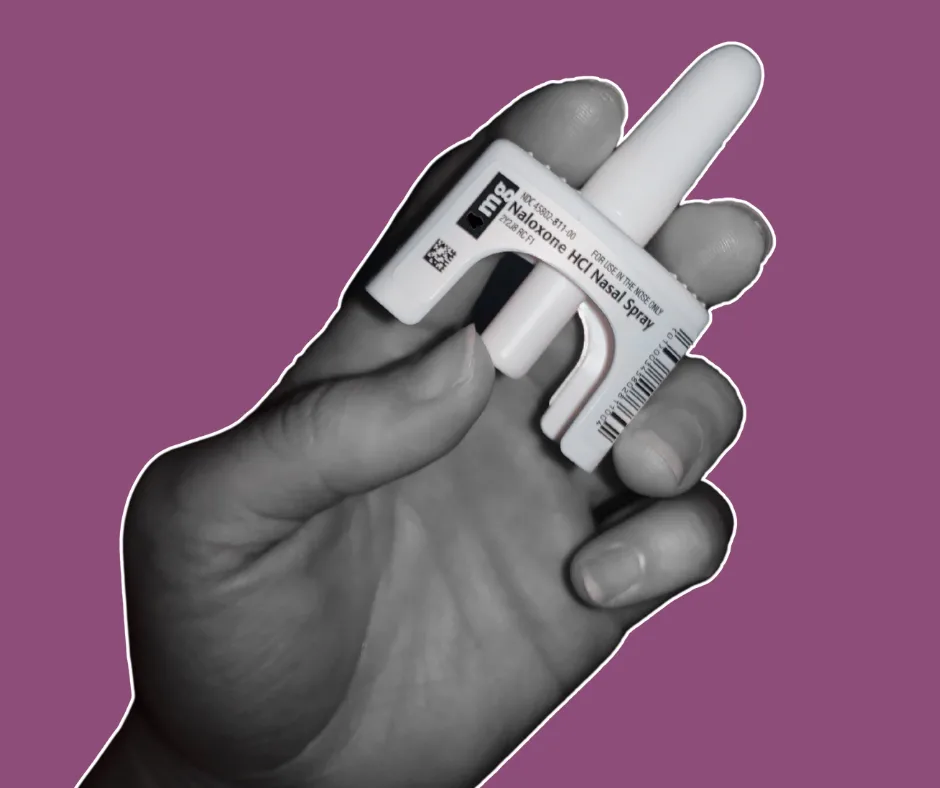
Opioid Overdose Response Training
Fentanyl Safety Training

Recovery Allyship Training