
Prevention Point is a space for practical, easy-to-use prevention tips. Each segment delivers clear, focused messages that explore what prevention looks like in everyday life, breaking down key concepts into ways that are understandable, relatable, and easy to apply.
Data shows that roughly 1 in 6 people in the U.S. (about 48.4 million) have a substance use disorder (SUD). In fact, 1 in 4 children live with a caregiver who has a substance use disorder.
While these statistics tell us how big the problem is, the facts alone are rarely enough to inspire change. Storytelling, on the other hand, has the ability to move beyond the numbers to influence change and build connection. These are the connections that help us better understand each other, overcome stigma and lead to greater support to address substance use. When we hear about a real person’s experience — their challenges, choices, setbacks, and resilience — we connect. Numbers can inform the mind, but stories reach the heart.
At SAFE Project, we encourage individuals to share their stories about how the addiction epidemic has impacted their lives. Our organization was founded on the basis of a tragic story — a story of a son lost to an opioid overdose. Over the past eight years, we’ve heard many similar stories — stories that bring a face and name to every number.
In one instance, we sat down with Trish Luna. In a moving conversation, Trish shared that she knows firsthand the struggle faced with the shame, stigma and uncertainty that comes from navigating a loved one’s addiction. Her story includes the loss of a life as well. For her, it was her husband. Feeling alone and hopeless, she described how hard it was to talk to her young children about what was happening in their home. She described that what she needed was a resource that could assist her in helping her children understand that it wasn’t their fault — a tool that would help them develop coping skills like how to identify and express their feelings in a healthy way. She wanted them to know that they were not alone and that play and fun are an important part of growing up.
Fast forward to the present: she shared how her family is facing similar circumstances and how active addiction is impacting the lives of her grandchildren. Finding herself once again in need of a resource, she took a leap of faith and shared her experience through a series of books in a way that aims to create a future where every child has the tools to heal, grow, and thrive.
This time she is speaking up — not only telling her story to SAFE Project, but to the world in the pages of books she authored. It is her drive, her passion for change, and a desire to support the youngest and often most vulnerable that she perseveres.
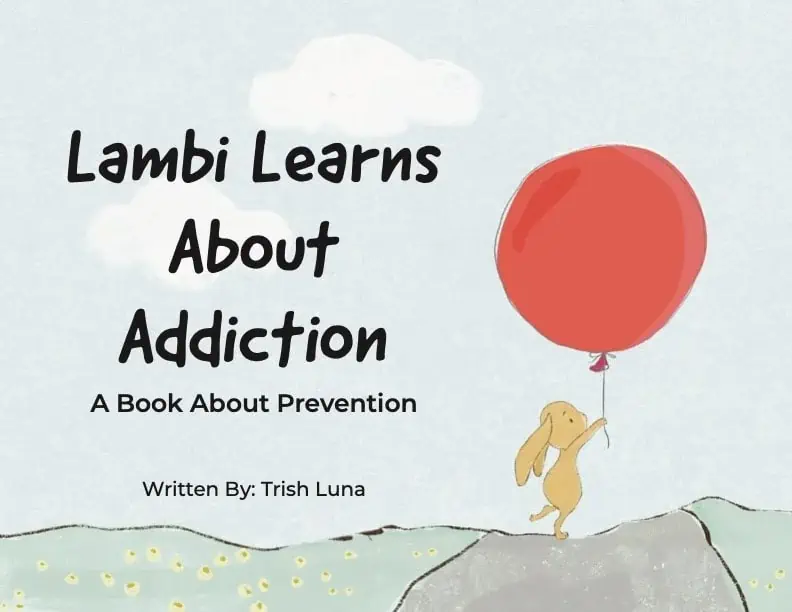
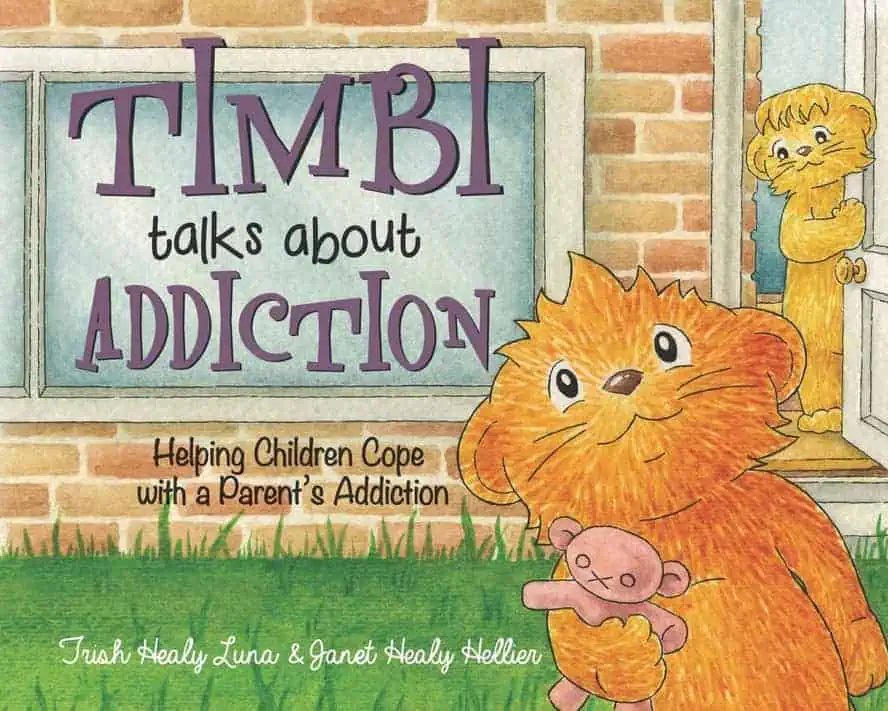
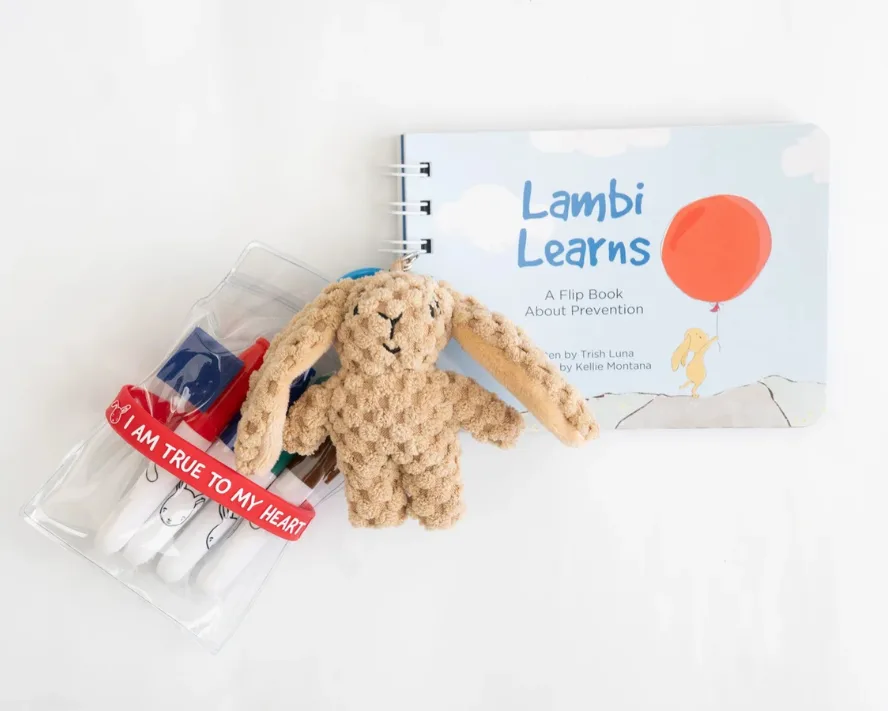
There are many ways with which someone can share their story: writing (journaling, blogging, books), spoken (conversations with friends, family, counselors), even creative mediums (art, photography, music). If you’d like to learn more about sharing your story or share your story with SAFE Project, please contact us at: prevention@safeproject.us
Check our our previous Prevention Point articles:
Resources
Recovery Allyship Training

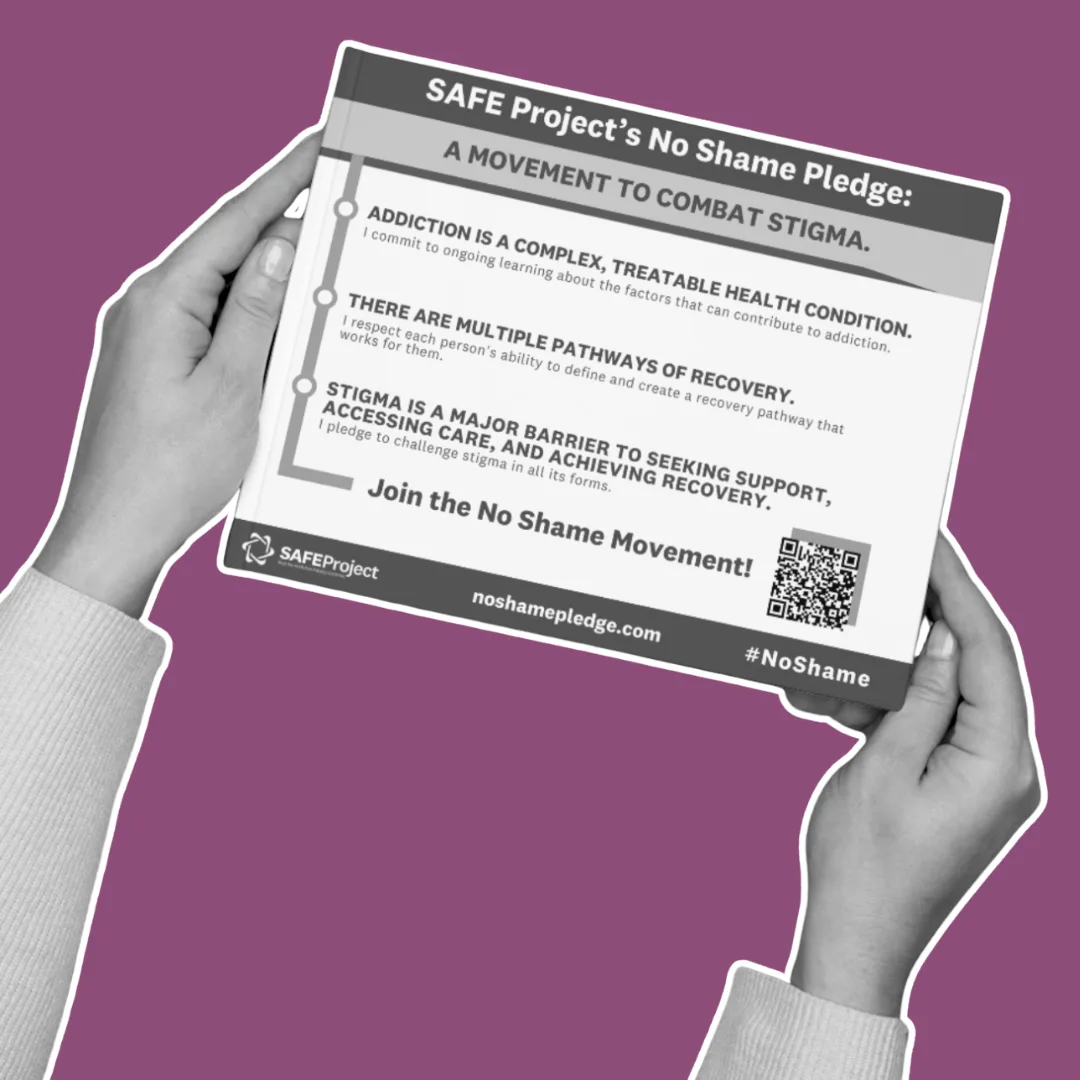
Take the No Shame Pledge
Learn More
-
Prevention Point: The Supports We Need to Thrive: Protective Factors at the Community and Societal Level

This Prevention Point explores how community and societal protective factors, from supportive schools and neighborhoods to accessible resources and healthy policies, shape our well-being. It also highlights everyday ways we can help build stronger, more connected and resilient communities.
-
5 Things to Know About Overdose
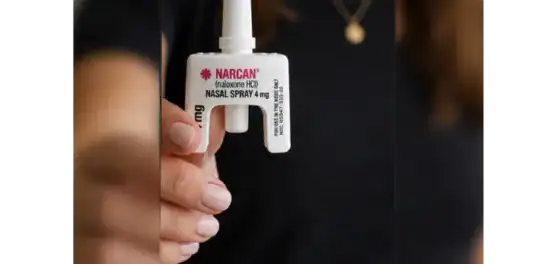
International Overdose Awareness Day is observed each year on August 31. It is a time to remember the people we have lost, support those whose lives have been changed by an overdose, and turn awareness into action. This year, there is real progress to recognize. Final CDC data show 79,384 drug overdose deaths in the…
-
Recovery in College: Finding a College with Support that’s Right for You

This SAFE Project resource is designed to help students and their families navigate that deeply personal decision. It complements existing tools–such as the Association of Recovery in Higher Education’s (ARHE) Collegiate Recovery Directory – by offering questions and considerations that help students understand what collegiate recovery support looks like in practice.