

Why Do We Need In-Home Medication Disposal?
In-home medication disposal offers a simple, practical way to reduce the risks associated with unused or expired prescription medications.
Over 200 people die each day from opioid-related overdoses, including fentanyl, with more than 10,000 deaths in 2023 linked to prescription opioids alone.
CDC Data
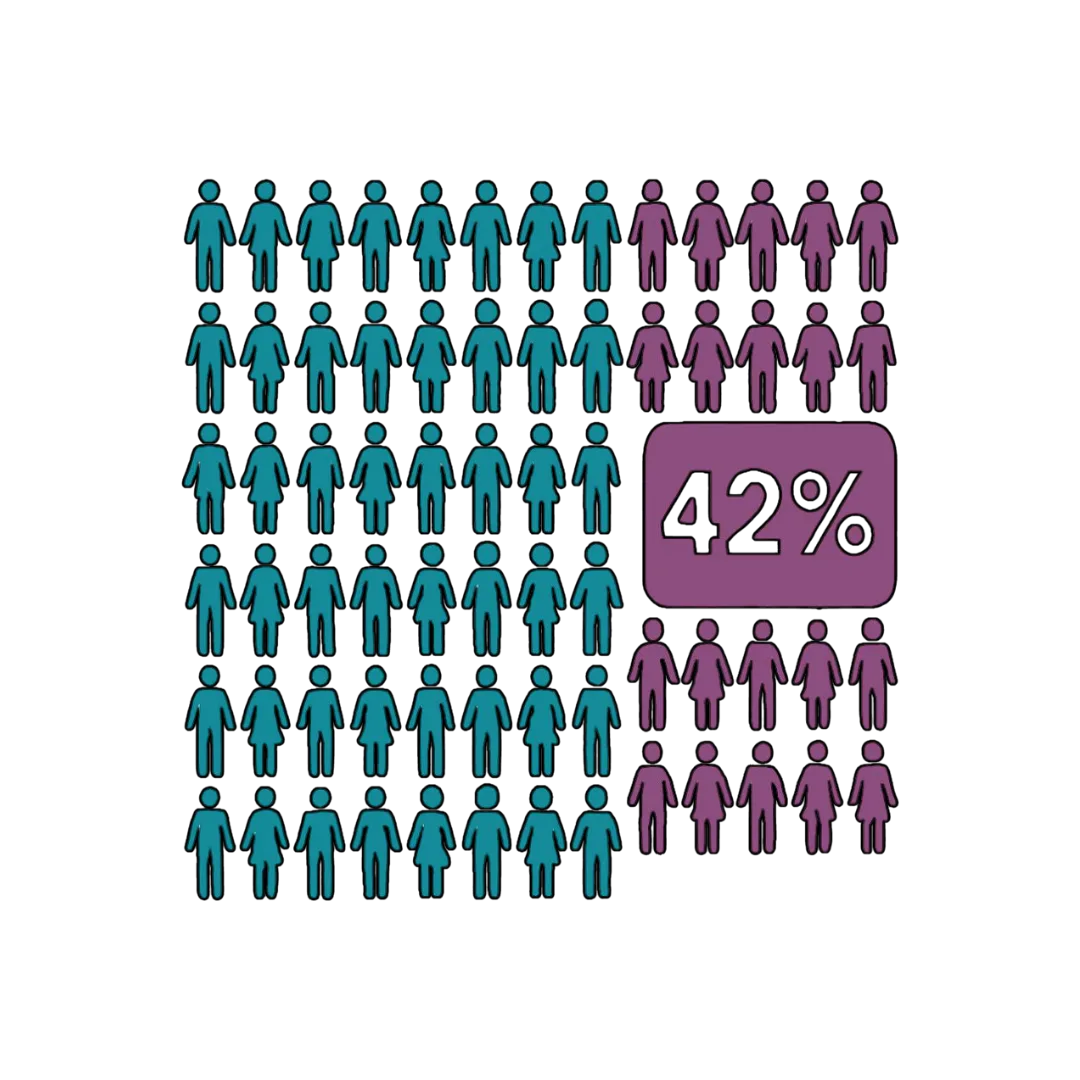
Nearly half of misused prescription medications (42%) come from friends or family—whether shared, bought, or taken without permission.
National Survey on Drug Use
Approximately 60% of adults prescribed opioids have leftover prescriptions in their homes.
JAMA Network Data
In-Home Medication Safety Reinforces Responsible Medication Management and Can Save a Life!
By making in-home disposal of disposal of unwanted, unused, or expired prescription medications a routine part of medication use, individuals and families create safer home environments and reduce risk in a very real, tangible way. It’s a simple prevention step, but one that can make a life impacting difference.
There’s no need to wait for a take-back event or make a special trip—safe disposal can happen in minutes, right when the medication is no longer needed, in the privacy of your home. This immediacy matters. Moments of curiosity, vulnerability, or crisis can be unpredictable – a proactive preventive step of properly and promptly disposing of drugs can make a life-impacting difference.
Another Benefit of In-Home Drug Disposal
It’s safe, it’s convenient, and it can be done in the privacy of your home as soon as the medications are no longer needed.
Frequently Asked Questions
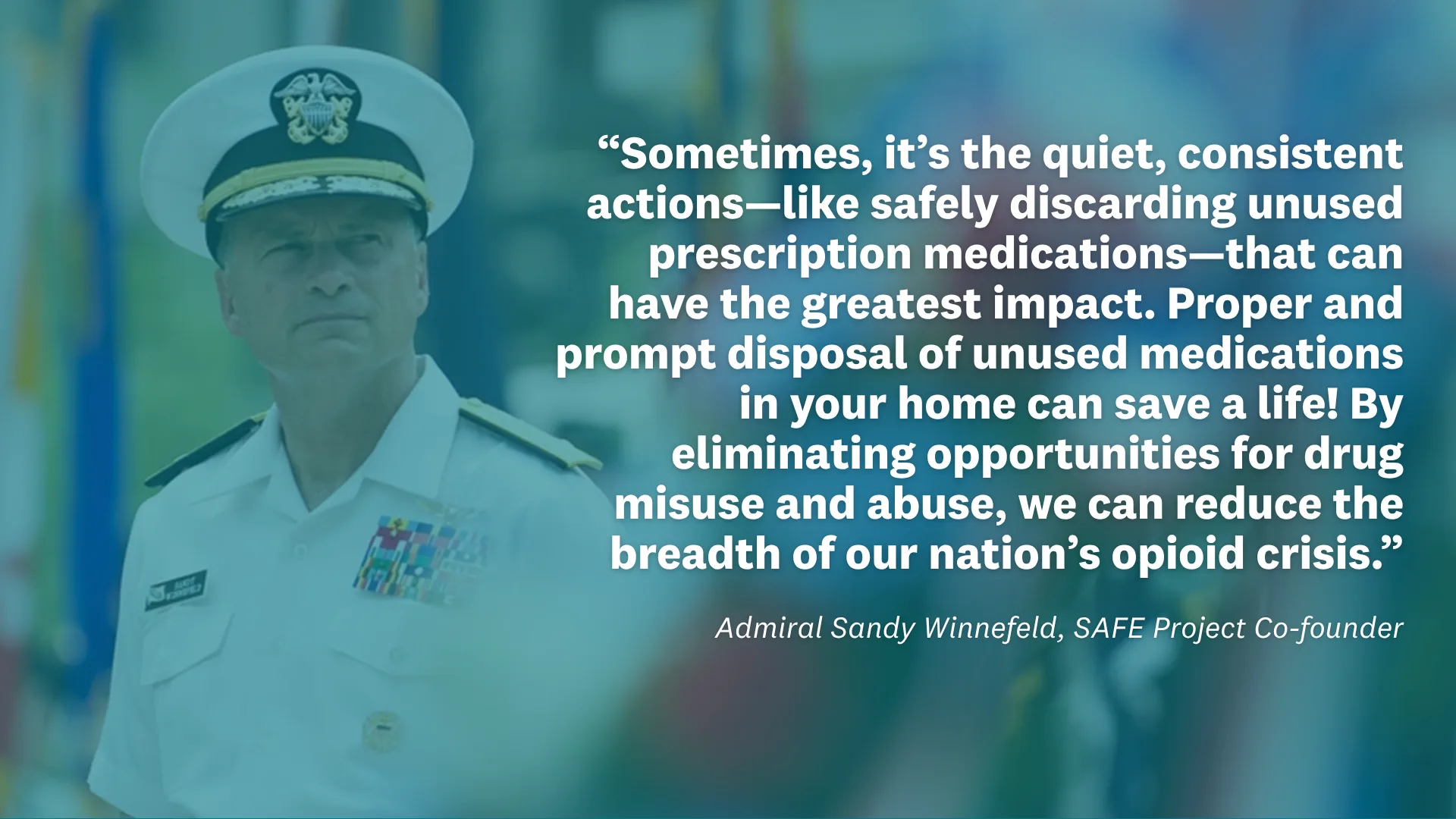
Proper and prompt disposal of unused medications in your home can save a life! SAFE Project would like to thank you for taking this very important step. Our resources are supportive of solutions towards overcoming mental health challenges, substance misuse, and the addiction epidemic.
1. Why does safe disposal of prescription medications matter?
Nearly 8.6 million Americans 12 years or older reported misusing prescription opioids in the past year (source: 2023 CDC data).
Findings suggest that household prescription availability is associated with increased odds of opioid overdose for others in the household, even if they do not have their own opioid prescription (source: JAMA Study). A leading source for people aged 12 or older who misused prescription drugs is friends or relatives, with 42.3 percent reporting that they obtained the pain relievers from a friend or relative in some way (e.g., being given them, buying them, or taking them without asking). (source: National Survey on Drug Use)
2. What are the risks of having prescription medications available in my home?
- Accidental use
- Accidental overdose
- Intentional misuse
- Health risks – expired drugs may no longer be effective and they can be harmful to the user. Sharing medications can lead to dangerous health consequences due to dosing and/or mixing with other medications
- Environmental damage – having a negative impact on water supplies and land if improperly disposed
3. What should I know about the benefit of in-home prescription drug disposal?
In-home disposal reinforces responsible medication management, it is safe, convenient, and can be done in the privacy of your home.
Published Study From the Journal of the Pediatric Orthopaedic Society of North America: “Preventing Opioid Diversion and Abuse by Using an At-home Opioid Disposal Method: An Improvement Project in a Pediatric Outpatient Surgical Center“
4. Who should use an in-home disposal product?
Everyone who has unused prescription medications in their home.
5. When should I use an in-home disposal product?
In-home disposal product use is recommended as soon as the medication is no longer needed.
6. Where do I get in-home disposal products?
In-home disposal products can be purchased online, in some retail stores, and are available at some pharmacies and through community health departments and coalitions.
7. What types of medications can I dispose of in the in-home disposal product?
Over-the-counter and prescriptions including opioids. Commonly prescribed opioids include, but are not limited to: Codeine, Hydrocodone (Vicodin, Lorcet, Lortab), Hydromorphone (Dilaudid), Meperidine (Demerol), Methadone, Morphine, Oxycodone, Oxymorphone (Opana), Pethidine (Demerol).
Note: Prescription opioids come in several forms: tablets, capsules, liquids, syrups, nasal sprays, skin patches, solutions, suckers, suppositories.
In Home Disposal Product Providers Include:
Having a safe, convenient disposal option in the home allows individuals and families to remove unused prescription medications as soon as they are no longer needed, lowering the chance of accidental ingestion, misuse, or diversion. Visit your nearest pharmacy, ask your physician, or shop online for these in-home disposal products.
Other Safe Options for In-Home Drug Disposal

DEA Take Back Day

Pharmacy Kiosks

Law Enforcement Drop Boxes

Local Community Events
Mail-Back Envelopes
Ways to Properly Store Medication Currently Being Used
- Safe Storage – store your medications in a locked medicine cabinet or lock box to limit access.
- Store prescription medications in their original containers (with working safety caps).
- Do not share prescription medications with others.
Disposing of Needles, Syringes, and Sharps
- Needles, syringes, and other sharps are medical waste and should be disposed of in accordance with local regulations. This may be in a medical waste container from your physician or medical supply company or through household hazardous waste collection sites. Typically, aerosols, inhalers, and medical devices are not accepted. If legal in your state, disposal of cannabis products and plants may have their own requirements. Please contact your local waste authority for more information.