

Approximately every 7 minutes and 20 seconds, a fatal overdose occurs in the United States, 64.4% of which involve opioids.
Unfortunately, our college and university campuses are not exempt from experiencing overdose deaths–prompting calls for action to provide opioid overdose reversal medications and education for students, faculty, and staff. In 2024, the Coalition for Healthy and Safe Campus Communities (CHASCo) received a 3-year grant from the Tennessee Opioid Abatement Council to distribute naloxone to its members. In pursuit of expert guidance, CHASCo partnered with SAFE Project to plan and execute a distribution and technical assistance strategy for all of its member campuses. This collaboration maintains two cornerstone goals: 1) establish customized programs for effective opioid overdose prevention, training, reversal, and response on Tennessee campuses, and 2) strategically equip Tennessee college students, staff, and faculty with cost-free naloxone through a bulk request and distribution process.
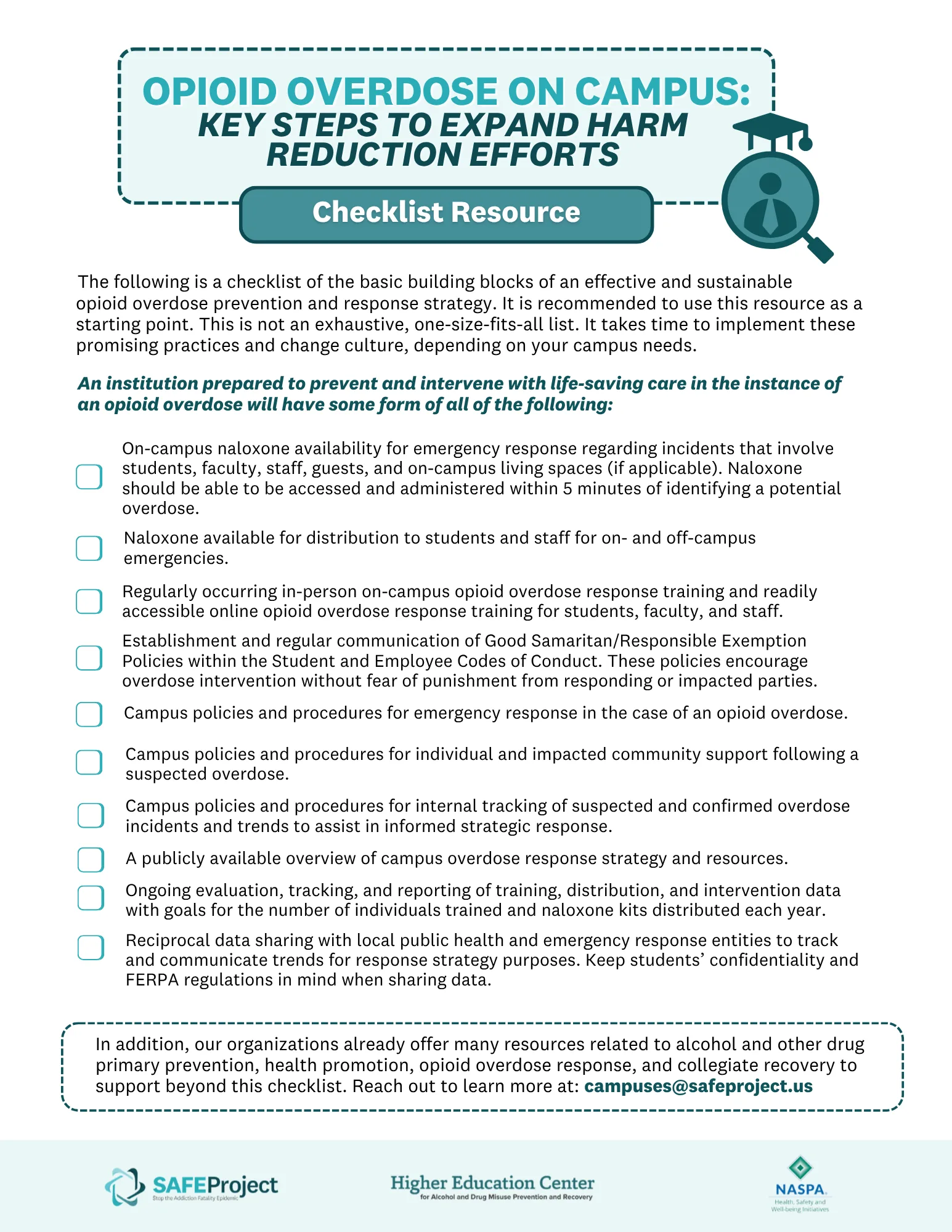
Recognizing that each campus has a unique starting point and varying resources, CHASCo and SAFE Project have chosen to organize this project through a learning collaborative, cohort model rooted in the Strategic Prevention Framework. The instruction and content are guided by SAFE Project’s Opioid Overdose on Campus: Key Steps to Expand Harm Reduction Efforts Checklist and insights from serving nearly 650 institutions of higher education.
Learn More About Naloxone

Opioid Overdose On Campus
The Opioid Overdose on Campus: Key Steps to Expand Harm Reduction Efforts Checklist (“the checklist”) was developed by SAFE Project, the Higher Education Center for Alcohol and Drug Misuse Prevention and Recovery (HECAOD), and Student Affairs Administrators in Higher Education (NASPA). The checklist guides campuses in developing or enhancing their opioid overdose prevention and response strategies. This checklist is not exhaustive nor universal, given that many campuses vary in capacity and resources. Nevertheless, every campus can utilize the checklist as a foundational starting point for a sustainable and effective strategy.
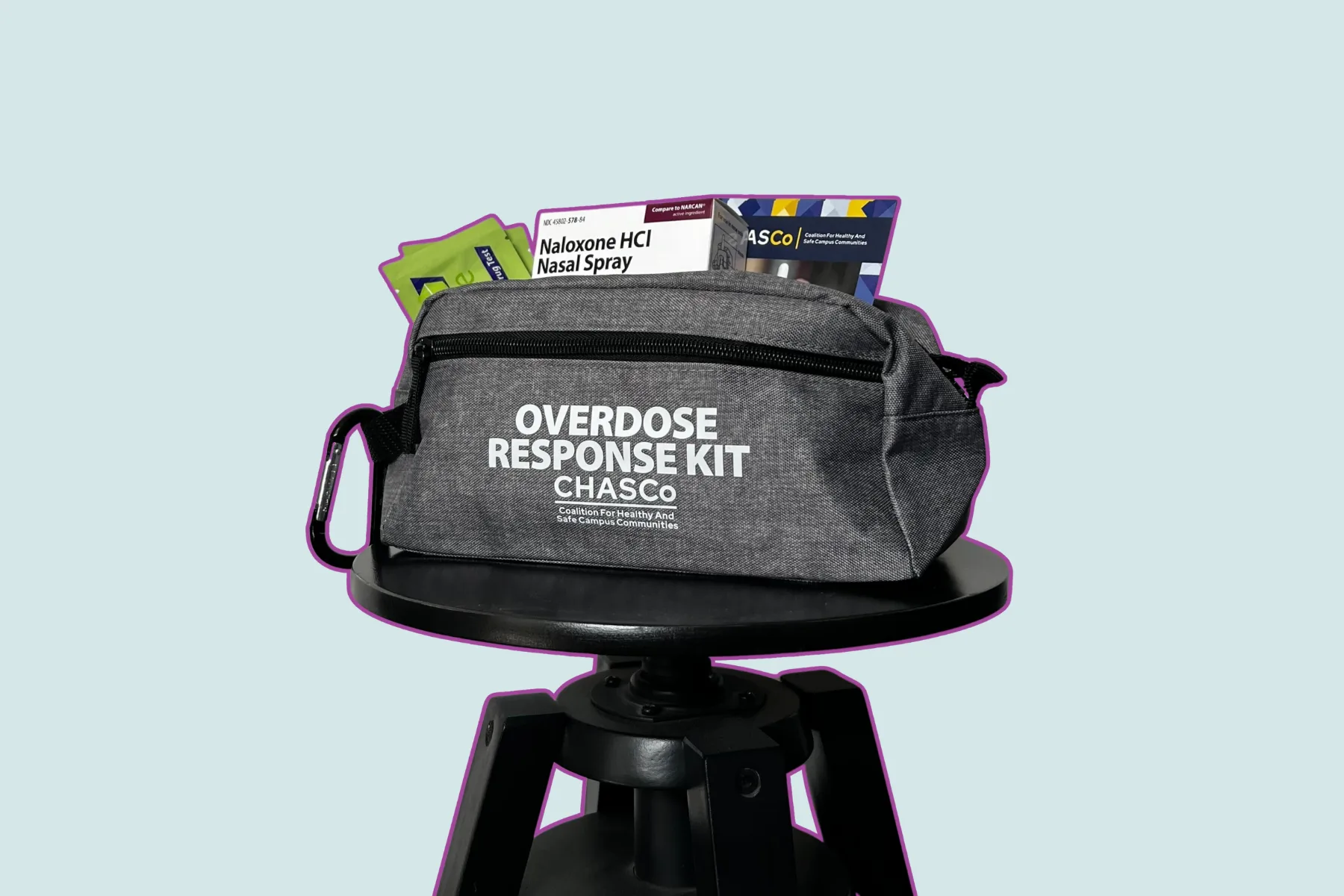
In addition to technical assistance and naloxone, this program also provides participants with materials and funds for overdose prevention and response programming. Whereas campuses can request individual materials and funding aligned with their strategies, they can also request CHASCo Overdose Response Kits. These kits contain two doses of naloxone, fentanyl testing strips, and educational materials. Campuses are encouraged to include additional information about campus and geographical resources in the kits.
The Cohort
The cohort was developed with the understanding that members will receive ongoing direction and group technical assistance tailored to their individual campus needs and readiness. This support includes: resources and education, two online virtual events each year, peer support and connection, assistance with naloxone plan proposals & requests, and customizable materials.
Year One
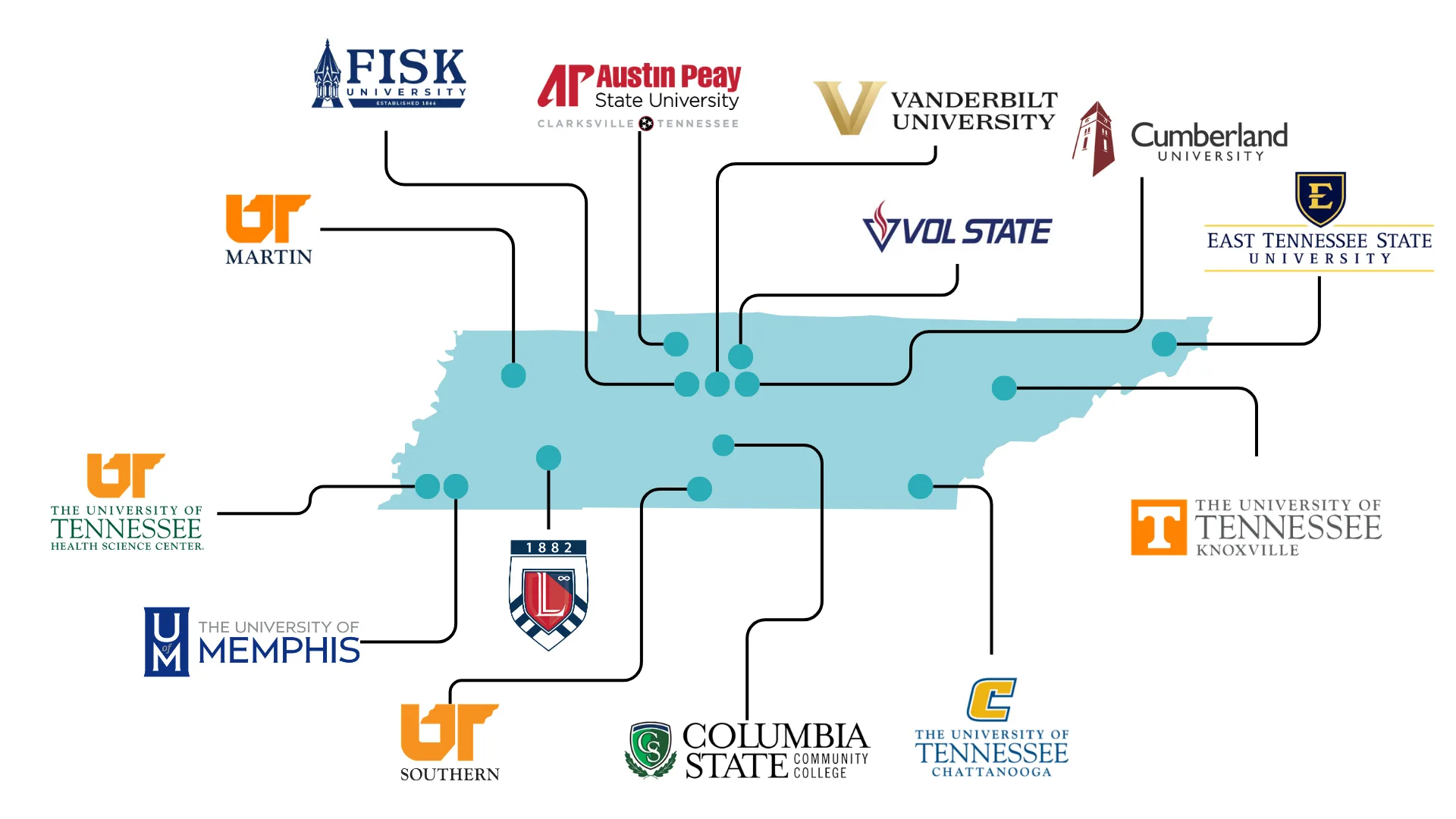
For year one of this project, the cohort was composed of 16 colleges and universities with a significant variety of institution types. Participating private 4-year institutions include Vanderbilt University and Rhodes College. Public 4-year participating campuses include Austin Peay State University, The University of Memphis, East Tennessee State University, and Tennessee Tech.
Particularly noteworthy participants have included: Lane College, a Historically Black college or university (HBCU); Bethel University and Trevecca Nazarene University, private Christian universities; and Pellissippi State and Columbia State, Community Colleges. Lastly, there were five campuses representing the University of Tennessee System–UT Martin, UT Knoxville, UT Chattanooga, UT Southern, and the UT Health Science Center. These campuses represented a combined 156,900 students.
Learning Content
After informational sessions to recruit participants, the project began its first year by introducing program logistics, common naloxone distribution strategies, guest speakers, and strategic planning. The content of the live monthly sessions continued as follows:
- Kickoff Event: “Community/Campus Partnerships?”
- “6 Lessons Learned from Implementing Opioid HR Strategies on Campuses”: In the first session, the cohort met one another, discussed attitudes toward naloxone and overdose on their campuses, and shared their expectations for the program. The session continued by laying foundational knowledge about student use, overdose data, risk factors, and stigma. Additionally, the cohort considered common models for naloxone training and distribution, such as public emergency boxes, pharmacy-based distribution, training session distribution, and/or police-focused availability.
- “Learning from the ROPS”: The next session welcomed Regional Overdose Prevention Specialists (ROPS). These ROPS are professionals who serve the state of Tennessee through training and education on opioid overdose and overdose prevention while distributing naloxone. There are designated ROPS for each region of the state, and each campus can utilize the ROPS’s expertise to support its opioid overdose prevention and response strategies.
- “SMART Goals/ Proposals”: SAFE Campuses not only provides content-specific education but also utilizes professional development practices to encourage strategic thinking across all programming. This session utilized the SMART Goal framework to guide participants in developing opioid overdose prevention and response strategies and in identifying timely action items.
- Opioid Overdose Response Training: Training of Trainers: The checklist suggests that students, faculty, and staff have access to opioid overdose response training. This training includes, at minimum, instructions on how to recognize an opioid overdose, use naloxone, and call for help, but it can include information regarding stigma, how opioids interact with our brains, and campus-specific resources. SAFE Project facilitated their Training of Trainers presentation for this cohort, providing guidance on content, facilitation skills, common questions, and training logistic structures.
- Outcomes of the two Training of Trainers sessions included the following:
- 36 individuals trained from 15 institutions
- A pre/post evaluation was used to understand the impact of the sessions on participants. Using a Likert scale, participants reported their level of confidence in their understanding of each topic within the Opioid Overdose Response Training. Average changes were:
- Harm reduction: 26.4299% increase in confidence
- Opioids: 46.0667% increase in confidence
- Overdose: = 46.0851% increase in confidence
- Naloxone: = 44.3848% increase in confidence
- Saving a life: 42.7273% increase in confidence
- Outcomes of the two Training of Trainers sessions included the following:
Between learning sessions, all cohort members had continuous access to SAFE Project staff for ongoing technical assistance, troubleshooting, and strategic planning.
Presentation Day
To conclude the first year, cohort participants presented proposals outlining their goals and material requests to CHASCo and SAFE Project staff members. Each participant developed a brief presentation outlining their goals, action plans, methods for tracking and measuring progress, material requests, and contingency plans. These presentations served as an opportunity for the SAFE Project and CHASCo program managers to provide direct feedback and assess whether their material requests aligned with their plans. Having participants share this information through a presentation allowed them to practice their advocacy skills, as many professionals encounter stigma and misinformation when developing opioid overdose prevention and response plans.
Outcomes & Success
In year one, the cohort produced notable successes in program development and resource distribution. Collectively, the cohort distributed:
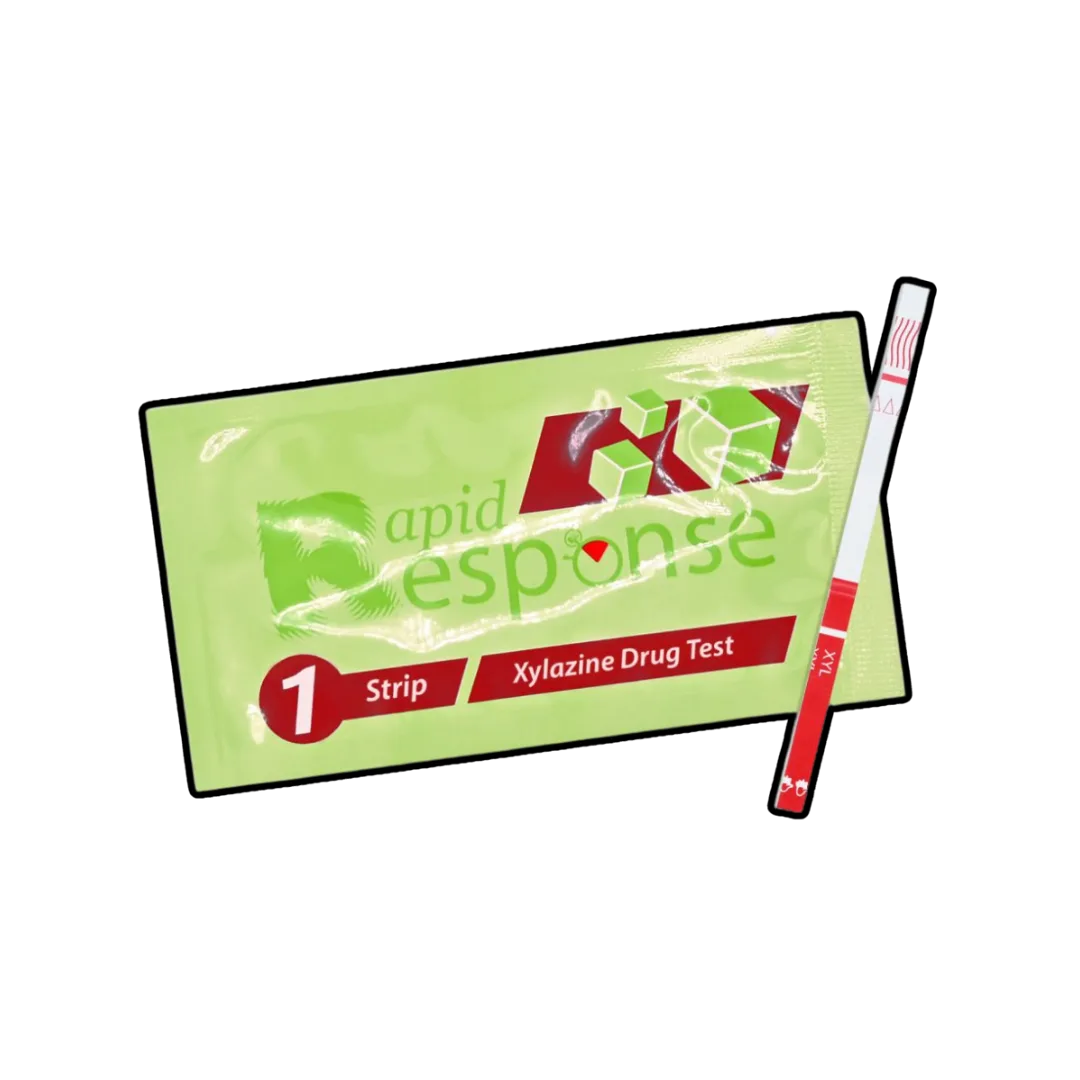
4,500 Xylazine Testing Strips
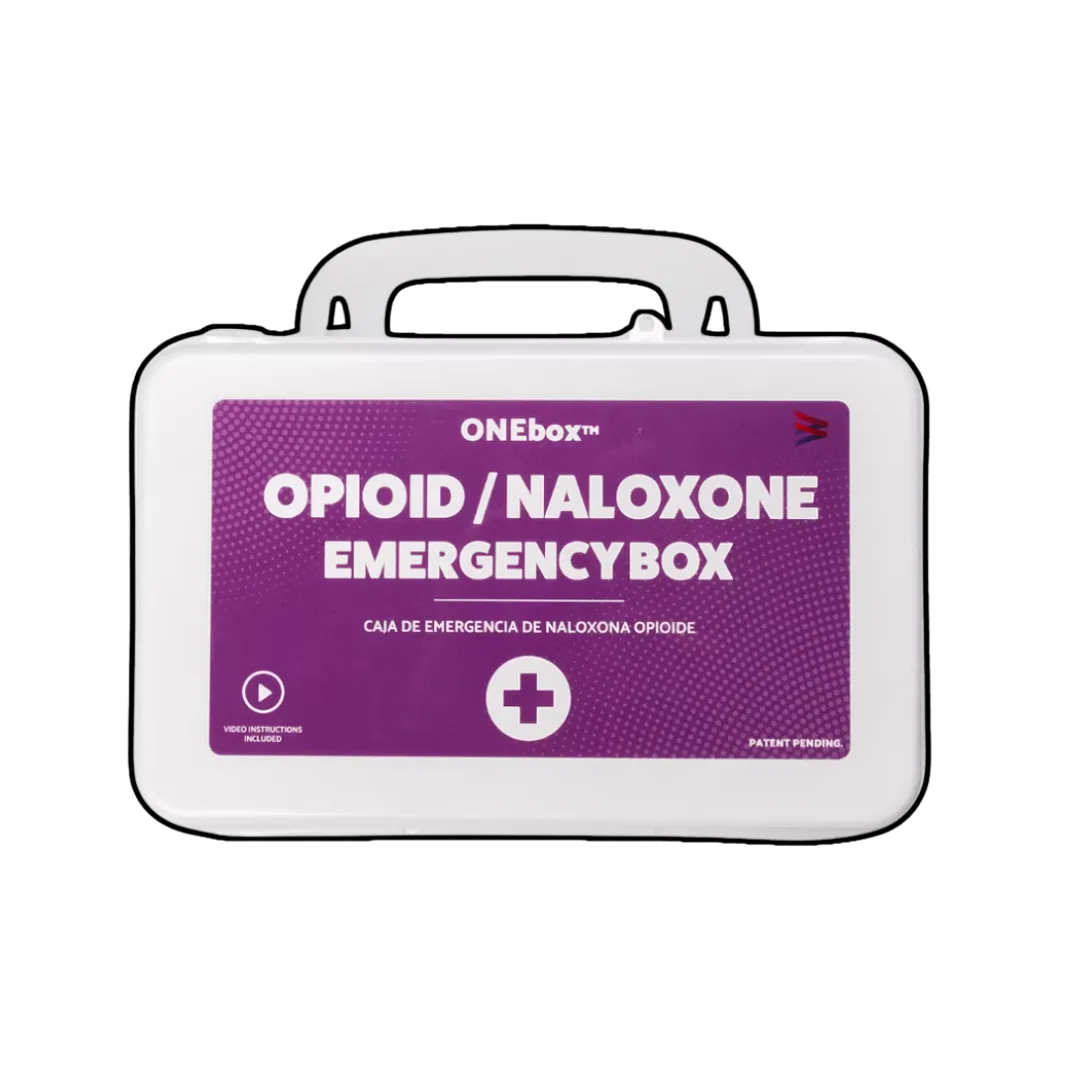
92 ONEBoxes
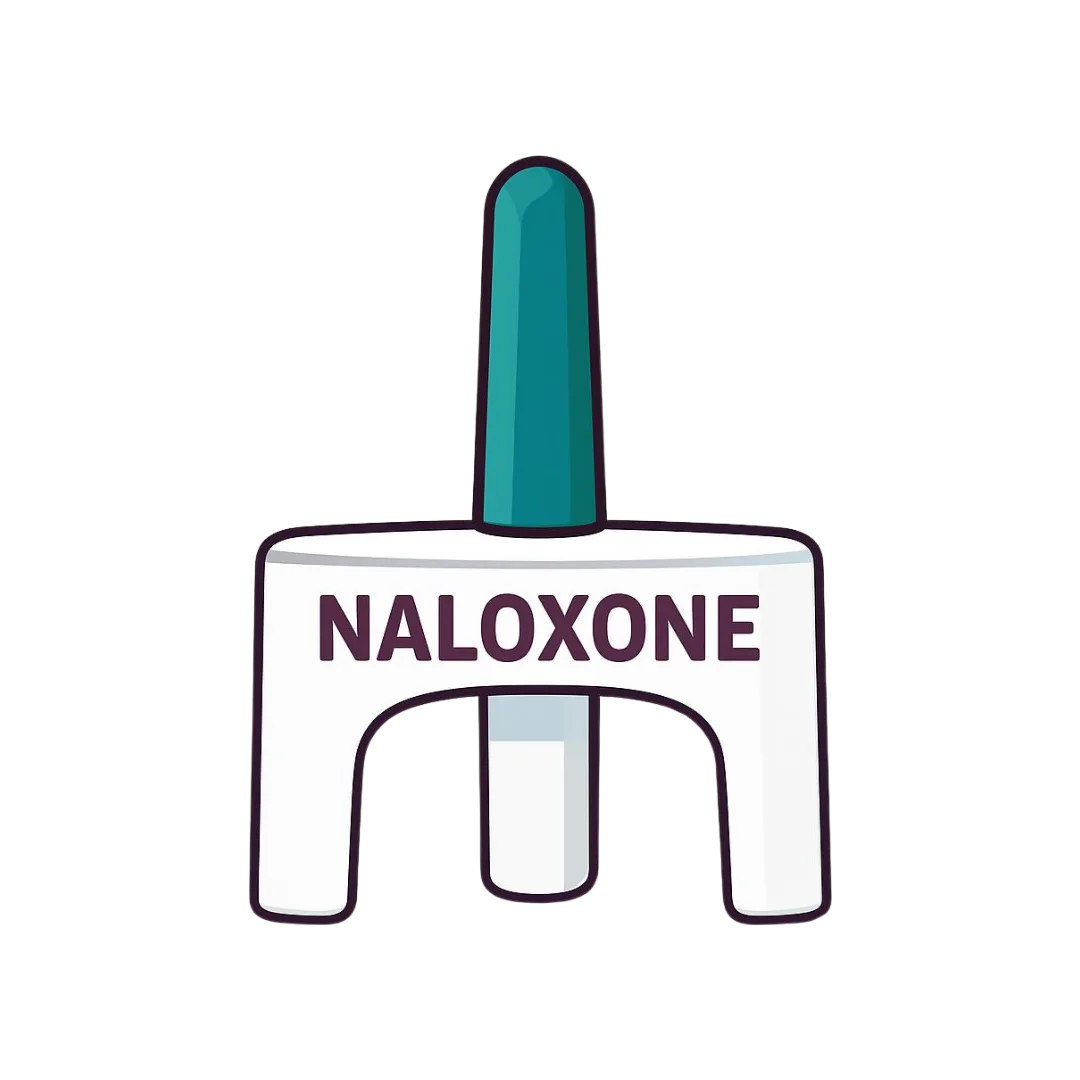
5,750 Naloxone Kits (11,500 doses)
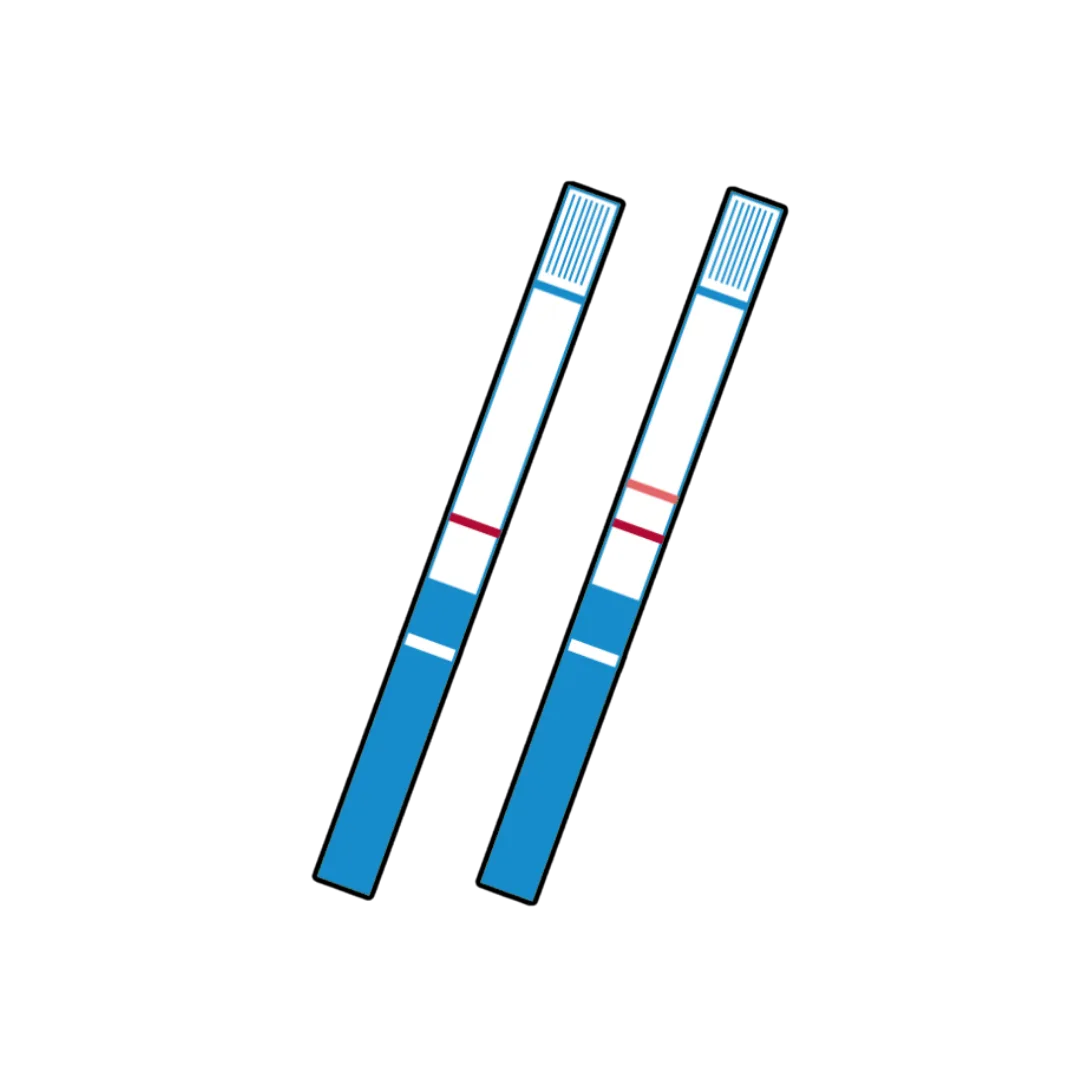
5,500 Fentanyl Testing Strips
Year Two
After a successful first year establishing the cohort’s format and systems, the second year of this project welcomed both returning and new campuses, bringing the total to 13. Returning campuses include Austin Peay State University, Vanderbilt, UT Chattanooga, Columbia State Community College, UT Martin, East Tennessee State University, and the University of Memphis. New schools include Volunteer State Community College, Cumberland University, and Fisk University.
Additionally, multiple campuses such as UT Southern, UT Knoxville, UT Health Science Center, and Lane College experienced staff turnover. Instead of experiencing a common, significant onboarding and transition period, the cohort structure allowed the SAFE Campuses team to inform new staff of progress from the prior year and continue supporting their efforts. These campuses represent a combined student population of 128,225 students.
Learning Content
After a successful first year, year two began by addressing additional items from the checklist and expanding on those established in year one. Live sessions from the second year of the cohort so far have included:
- Self-Assessment & Saturation Model: Year two began with a self-assessment to collect the participants’ goals. It outlined what was available on participants’ campuses and which parts of the checklist they wanted to expand upon in year two. This session discussed how to utilize the Saturation Model to prioritize naloxone distribution.
- Advertising & Data Tracking: Addressing the self-assessment responses, this session focused on data tracking and advertising opioid overdose response tools and resources. Participants brainstormed ways to apply data tracking and advertising approaches used in other topical areas to their naloxone distribution plans.
- Policy & Procedures: This session welcomed SAFE Project’s Director of SAFE Communities, Rachel Bowling. Rachel discussed the differences between policies, procedures, and programs, as well as the four environments of advocacy. Participants were provided with examples and templates of each type of document and were encouraged to consider which one best addressed their goals.
- SMART Goals: Similar to year one, this year included a session dedicated to goals, action plans, and organizing checklist item efforts with strategy in preparation for Presentation Day.
- Presentations Day: Participants presented their goals, action plans, progress-tracking and measurement plans, material requests, and contingency plans. For year two, returning participants also included the progress, outcomes, and success from the implementation of year one’s action plans.
- Target Population Partnership Building: This cohort expressed interest in partnering with other campus departments to expand the reach of their opioid overdose response and prevention programming – notably Residence Life, Greek Life, and Athletics. This session welcomed professionals from their respective fields to discuss their priorities regarding (a) student mental health, wellness, and alcohol and drug education; (b) requirements around overdose prevention or alcohol and drug education; and (c) suggestions they have for colleagues approaching their focus area in pursuit of partnership. The informative guest speakers were:
- Hailey Flavin, M.S.; Director of Harm Reduction & University Relations for Lambda Chi Alpha Fraternity, Inc.
- Joshua Maxwell, Ed.D.; Director of University Housing at Colorado State University
- Chris Ferris; Executive Senior Associate Athletic Director for External Affairs at Colorado State University
As in the first year, between learning sessions, all cohort members continued to have access to SAFE Project staff for ongoing technical assistance, troubleshooting, and strategic planning.
Outcomes & Success
Information regarding the amount of naloxone and harm reduction materials distributed is forthcoming. In addition to technical assistance, Live Sessions, and material requests, year two has included the production of CHASCo’s harm reduction campaign, DOSE: Delivering Overdose Safety Education. This effort has been executed by CHASCo consultant Dasia Senanayake and supported by guidance from SAFE Project. To date, this project has included content and brand brainstorming, focus group discussions involving X students from across Tennessee, and preliminary branding creation. Development of DOSE will continue through the end of year two, with a goal of piloting initial content throughout year three.
As of the writing of this report, so far in the second year, the cohort has collectively distributed:
5,999 Xylazine Testing Strips
14 ONEBoxes
22,522 Units of Naloxone
Fentanyl Testing Strips
Additionally, due to their wonderful work, supported by the funds and materials available through this grant, student pharmacists from ETSU’s Operation Substance Use Disorders committee, part of the American Pharmacists Association-Academy of Student Pharmacists (APhA-ASP), earned the 2024-2025 APhA Chapter Achievement Award — the top national honor for service organizations addressing substance use.