

Prevention Point is a space for practical, easy-to-use prevention tips. Each segment delivers clear, focused messages that explore what prevention looks like in everyday life, breaking down key concepts into ways that are understandable, relatable, and easy to apply.
Have you ever felt like the support you needed to thrive, or at times even survive, was out of your reach? You are not alone!
There are many things that have an impact on our health and well-being, some we’ve already covered in our protective factors series when we talked about identifying and building individual protective factors and relationships as protective factors. While they are both important, they are not the only characteristics and qualities that shape us. Our well-being is also impacted by the communities we live in and the broader systems that surround us. Examples of these factors include:
- Community level protective factors are our schools, workplaces, faith-based organizations, parks and recreational areas, libraries, availability of housing, transportation, healthcare facilities and outlets for healthy foods.
- Societal level protective factors are the laws, policies, social and cultural norms, access to care, and economic factors.
It is important to note some community and societal level factors are beyond our control and in place long before we have a say in them. We don’t get to choose where we’re born, or the inequities and adversities we are exposed to due to socioeconomic status, race, or access to resources. Although we can’t control every factor that influences our well-being, we are far from powerless.
There are different ways we can strengthen and cultivate these protective factors (the conditions that help buffer against risk and are associated with a lower likelihood of behavioral health challenges or negative outcomes)¹. Research tells us that protective factors are correlated (meaning one factor often makes it easier to access or build others) and cumulative (meaning positive benefits stack together and when experienced can have an impact across stages of life)². With that in mind, let’s take a look at a few examples of protective factors that can be strengthened by everyday actions — some involve actions we can take as individuals and some we can do together in collaboration with others.

The actions we take to strengthen protective factors at the community and societal level—whether through volunteering, mentoring, coaching, or advocating for healthier policies—help build connected, supportive, and resilient environments for us to live, work, play and grow. This list is not exhaustive, but can serve as a foundation for those interested in becoming more involved in building and strengthening the protective factors around them.
To continue working through the protective factors around you and in your community, check out the Guide to Identifying and Strengthening Community & Societal level Protective Factors.
If you’d like to have a conversation on this topic, please feel free to contact SAFE Project at prevention@safeproject.us.
Related Prevention Point segments on protective factors:
Prevention Point: What are Protective Factors and Why Do You Need Them?
Prevention Point: Identifying and Building Individual Protective Factors
Prevention Point: Connections Matter – Relationships as Protective Factors
Sources
- SPTAC Risk and Protective Factors for Substance Use That Present in Childhood
- SAMHSA Selecting Best-fit Programs and Practices
- CDC Social Connection
- HOPE Tufts Medicine
- National Library of Medicine, Youth-Adult Connectedness
- Search Institute Developmental Relationships
- National Library of Medicine, Youth-Adult Connectedness
- CDC ACE’s, Risk and Protective Factors
- WHO Healthy Communities
- CDC Risk and Protective Factors
- SAMHSA Strategic Prevention Framework
- Community Anti-Drug Coalitions of America
- Facing Addiction in America
Resources
Recovery Allyship Training

Take the No Shame Pledge
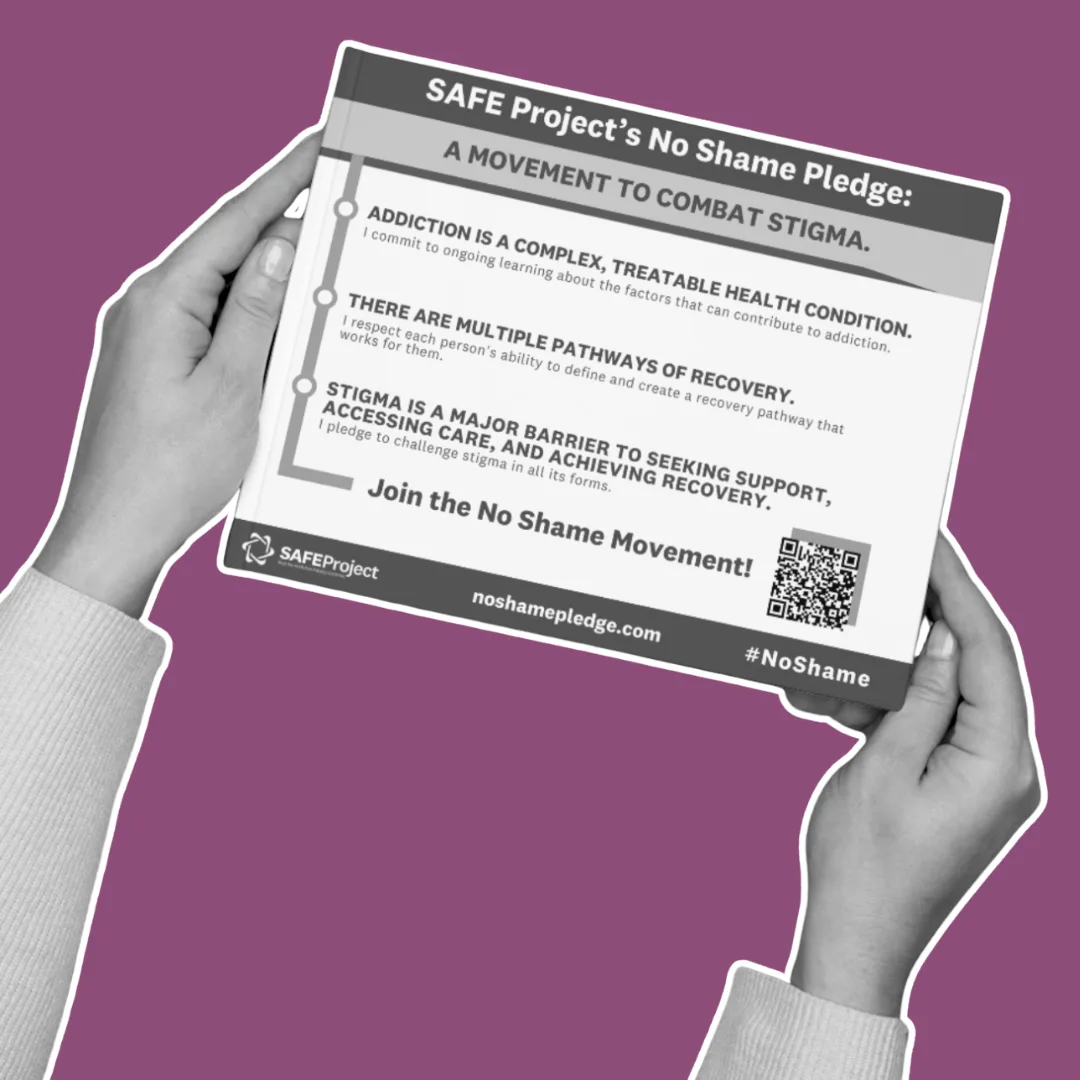
Learn More
-
5 Things to Know About Overdose
International Overdose Awareness Day is observed each year on August 31. It is a time to remember the people we have lost, support those whose lives have been changed by an overdose, and turn awareness into action. This year, there is real progress to recognize. Final CDC data show 79,384 drug overdose deaths in the…
-
Recovery in College: Finding a College with Support that’s Right for You

This SAFE Project resource is designed to help students and their families navigate that deeply personal decision. It complements existing tools–such as the Association of Recovery in Higher Education’s (ARHE) Collegiate Recovery Directory – by offering questions and considerations that help students understand what collegiate recovery support looks like in practice.
-
Prevention Point: Connections Matter – Relationships as Protective Factors

Discover how positive relationships strengthen resilience, reduce stress, and support mental wellbeing. This resource explores the power of connection and includes a downloadable worksheet to help you build and strengthen supportive relationships.
