

Prevention Point is a space for practical, easy-to-use prevention tips. Each segment delivers clear, focused messages that explore what prevention looks like in everyday life, breaking down key concepts into ways that are understandable, relatable, and easy to apply.
Welcome back to Prevention Point, where each segment is designed to break prevention down so that it is easier to understand and apply.
We began the series on Protective Factors by first sharing the basics: What Are Protective Factors And Why Do We Need Them? From there, we moved onto Identifying and Building Individual Protective Factors.
At this juncture, we understand that Protective Factors act as a shield, buffering against risk. While they do not eliminate every risk, they provide support that can help us cope with challenges in healthier, more resilient ways. Prevention researchers Dr. Hawkins & Catalano said it this way: “Protective factors either reduce the impact of the risk factors or change the way a person responds to the risks.”
As we continue learning about protective factors, it is important to remember that they exist in multiple levels and that each of us experiences them in our own unique way. Some protective factors develop at the individual level through our personal skills, abilities, and strengths. Others are shaped by broader community and societal level support, which we will cover in the next segment.
In this segment, we are going to focus on the level of Protective Factors Centered on Relationships. These are the human connections we have with others: our family members, our friends, people at school and work (teachers, coaches, mentors), and even our casual acquaintances. Positive relationships with individuals help shape how we see ourselves and the world around us. They serve as valuable protective factors because they help to strengthen resilience, reduce stress, and support our overall health and well-being.¹
In the 2023 Surgeon General’s Advisory, Our Epidemic of Loneliness and Isolation, Dr. Vivek Murthy sheds light on the importance of interpersonal relationships. He explains that when he first took office as Surgeon General, he didn’t view loneliness as a public health concern. But that was before he embarked on a cross-country listening tour, where he heard stories from fellow Americans that surprised him. People of all ages and socioeconomic backgrounds, from every corner of the country, would tell him, “I have to shoulder all of life’s burdens by myself,” or, “If I disappear tomorrow, no one will even notice.” It was an eye-opening experience for him; social disconnection was far more common than he had realized. He explains in the report that loneliness is way more than just a bad feeling—it harms both individual and societal health.
Throughout history, our ability to rely on one another has been crucial to survival. Now, even in modern times, we human beings are biologically wired for social connection. Our brains have adapted to expect proximity to others.² ³
Why is this so important?
From the time we’re born (and in every stage of our lives), positive connections with family members, friends, teachers, coaches, mentors, and community members help us feel supported, valued, and less alone. These connections not only make us feel better, they are essential, and they remind us that we don’t have to go it alone, lowering our stress levels and boosting our mental health.⁴
Our relationships also help shape how we go about our lives and the decisions we make. When we have supportive relationships to help support and guide us through difficult situations or challenges, we are better equipped to make the best decisions.
For some of us, relationships are easy to identify and form. For others, building and maintaining connections with people can feel much more difficult—and that is okay. The truth is that strong, meaningful relationships take time, effort, and practice. The good news is that relationships do not have to be perfect to serve as protective factors. Even small moments of connection can make a meaningful difference in our well-being. Building positive relationships can begin with small, intentional steps—these can include taking the time to check in with someone, listening without judgment or distractions (putting away our cell phones), spending quality time together (taking a walk outdoors or sharing a meal), expressing appreciation, or performing an act of service are all examples.
When our relationships are reliable, built on trust, respect, honesty, and open communications, they can be powerful (and invaluable) protective factors that buffer against risk and support our overall well-being.
To help identify and strengthen protective factors centered on relationships, we’ve designed an easy to use worksheet:
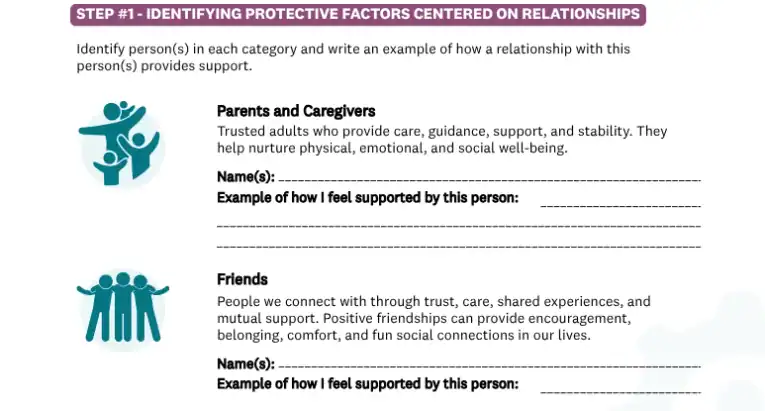
If you’d like to have a conversation on this topic, please feel free to contact SAFE Project at prevention@safeproject.us.
Check out our previous Prevention Point articles:
#2: Stigma Reduction is Prevention
#3: Supporting Children Affected by Addiction Using Storytelling
#4: What are Protective Factors and Why Do You Need Them?
#5: Prevention Point: Identifying and Building Individual Protective Factors
Worksheet: Individual Protective Factors: Taking a Strengths-Based Approach
Sources
- Why Social Relationships are Important for Physical Health: A Systems Approach to Understanding and Modifying Risk and Protection
- The Neuroscience of Unmet Social Needs
- Social Baseline Theory: The Social Regulation of Risk and Effort
- Advancing Social Connection as a Public Health Priority in the United States
Resources
Recovery Allyship Training
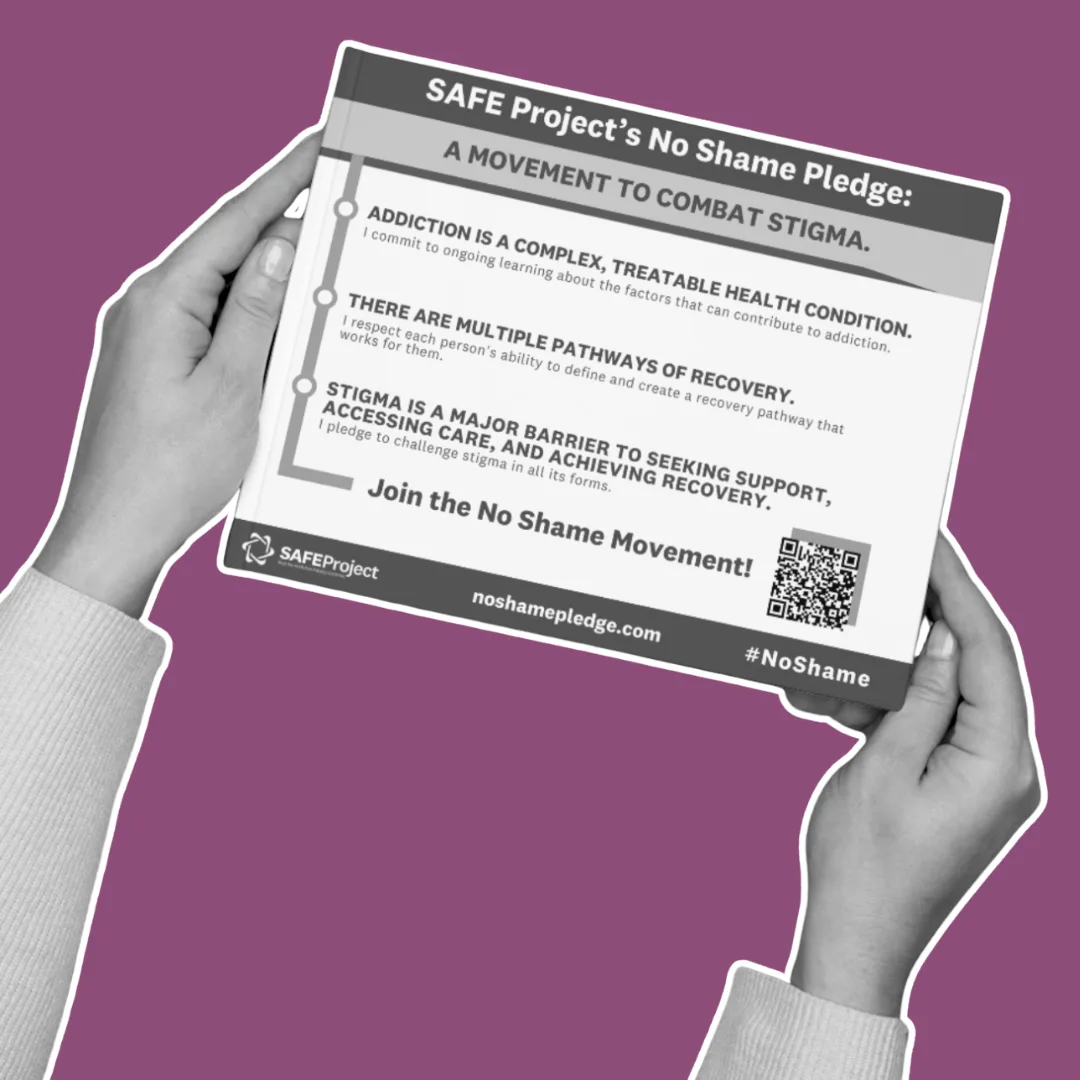
Take the No Shame Pledge
Learn More
-
Prevention Point: The Supports We Need to Thrive: Protective Factors at the Community and Societal Level

This Prevention Point explores how community and societal protective factors, from supportive schools and neighborhoods to accessible resources and healthy policies, shape our well-being. It also highlights everyday ways we can help build stronger, more connected and resilient communities.
-
5 Things to Know About Overdose
International Overdose Awareness Day is observed each year on August 31. It is a time to remember the people we have lost, support those whose lives have been changed by an overdose, and turn awareness into action. This year, there is real progress to recognize. Final CDC data show 79,384 drug overdose deaths in the…
-
Recovery in College: Finding a College with Support that’s Right for You

This SAFE Project resource is designed to help students and their families navigate that deeply personal decision. It complements existing tools–such as the Association of Recovery in Higher Education’s (ARHE) Collegiate Recovery Directory – by offering questions and considerations that help students understand what collegiate recovery support looks like in practice.