

Each Prevention Point segment will share pointed messages to help readers better understand prevention concepts and guide them to additional information and resources that are responsive and grounded in the needs of people and communities.
Effective Prevention is taking action to stop possible challenges before they start, or keep them from getting worse.
What actions to take and even where to begin can be tough to determine. In the past, some prevention efforts relied on scare tactics, one-time talks, or catchy slogans. Even though those strategies were well-intended, they were not effective in making lasting change, missing the mark on what prevention can actually achieve.1
The good news is that with decades of research, the field of prevention has evolved. A key lesson learned by researchers at the Colorado State University Prevention Research Center is that prevention needs to meet the unique needs of individuals and communities. One way to do this is to use what we know about risk and protective factors to create programs, practices and policies that promote healthy development. Nathaniel Riggs, Professor & Executive Director of the Center describes it this way:
“It is less about preventing the bad and more about promoting the good, by promoting positive youth development; by promoting self-regulation; by promoting self-awareness, positive decision-making skills, and communication skills.” These skills can all be identified as protective factors. Let’s break it down by taking a deeper look at protective factors.
What Are Protective Factors, and Where Do they come from?
Protective Factors are qualities and conditions that support our health and well-being; our personal strengths, supportive relationships, as well as supports in our community and society at large. Protective factors act as a shield, buffering against risk.
Years of research on substance use and other challenges tell us that protective factors increase the probability of healthy behaviors among young people.2 Protective factors can look different for everyone, and that’s okay. The good news is they aren’t something you’re just born with—you can build and strengthen them over time.
They’re also connected. So when you work on one thing, like building confidence or having a supportive friend, it can actually help you grow in other areas too. It’s like a ripple effect—one positive change can lead to even more strengths in your life.
Now, where do we find these protective factors? They are all around us! Human development research tells us that we are shaped not just by who we are or what we think, but also by our relationships with others, the places we go, and the larger community and world around us.3
Specifically, there are 4 levels of protective factors:
First, we have individual protective factors, or the skills we are inherently born with, or the skills and actions we develop that act as a shield for certain issues. Things like self-confidence, emotional awareness, communication skills, and even our eating and sleeping routines.
The next level is all about relationships and the interpersonal connections we have and make. Think: family, friends, peers, teachers, coaches, or that one person you talk to at the coffee shop every time you visit.
Next we have community, meaning the groups around us that impact our behaviors and influence. Things like school, daycare, workplaces, faith-based organizations, recreational leagues, and libraries.
The final level is society. This includes laws, policies, access to care, culture, and economic factors.

Individual
your strengths and your skills – we all have them!

Relationships
family, friends, mentors, trusted adults, and caregivers

Community
schools, workplaces, faith groups, sports, hobbies, activities, culture

Society
laws, policies, access to care, culture, and economic factors
Why Do You Need Protective Factors?
We need them because they support our health and act as a shield, buffering against risk. While they do not eliminate every challenge, they provide support that can help us cope with stressors in healthier, more resilient (and more informed!) ways.
The more protective factors that are in place, the better. Unfortunately, protective factors are not experienced equally by everyone. Protective factors are impacted by systemic barriers like racial disparities, access to quality care, discrimination, and racism, which we’ll get in a later conversation about society as a protective factor.
Where and When Can I Learn More About Protective Factors?
In the next few Prevention Point segments we will provide more education on identifying and building protective factors for each protective level.
Until then… we want to hear from you! Tell us about an individual protective factor that has made a difference. A strength or skill that you have that has helped you overcome challenges? A person that you enjoy spending quality time with and turn to when you need help or support? A hobby that supports your wellness at home or in your community?
Please feel free to contact SAFE Project at prevention@safeproject.us.
Check out our previous Prevention Point articles:
#2: Stigma Reduction is Prevention
#3: Supporting Children Affected by Addiction Using Storytelling
Sources
Learn more about protective factors:
Recovery Allyship Training
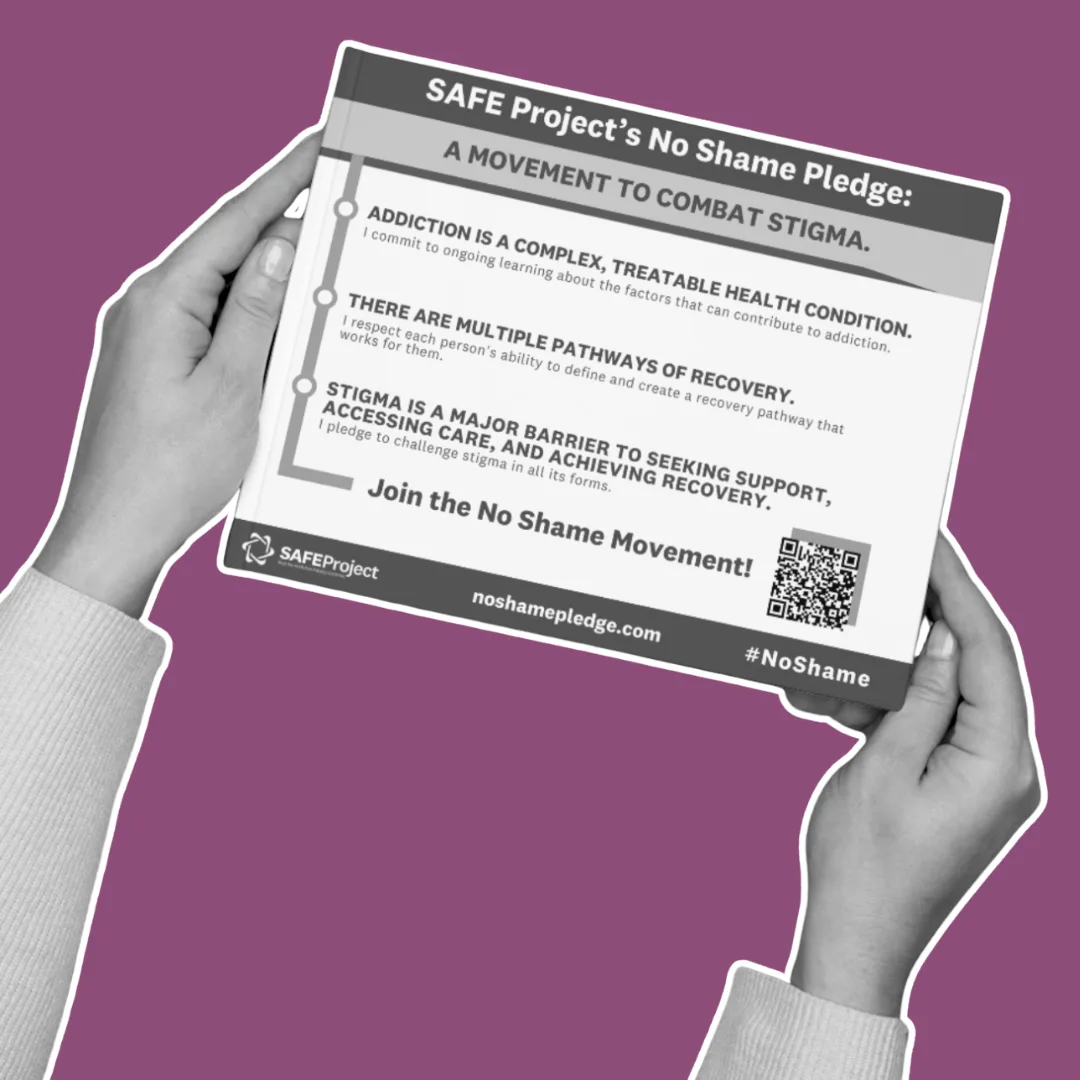
Take the No Shame Pledge
Learn More
-
Prevention Points: Supporting Children Affected by Addiction Using Storytelling

Prevention Point explores why prevention matters now, breaking down primary, secondary, and tertiary prevention with practical tools to support families and communities.
-
Prevention Points: Stigma Reduction is Prevention
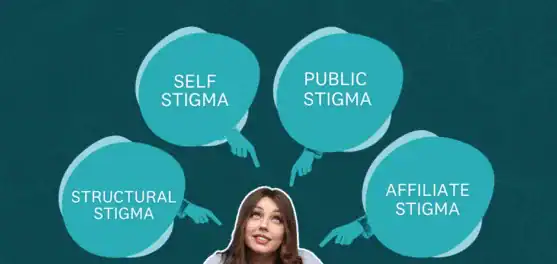
Prevention Point explores why prevention matters now, breaking down primary, secondary, and tertiary prevention with practical tools to support families and communities.
-
Prevention Points: The Power of Prevention

Prevention Point explores why prevention matters now, breaking down primary, secondary, and tertiary prevention with practical tools to support families and communities.

