

Prevention Point is a space for practical, easy-to-use prevention tips. Each segment delivers clear, focused messages that explore what prevention looks like in everyday life, breaking down key concepts into ways that are understandable, relatable, and easy to apply.
Welcome back to Prevention Point, a space for practical prevention tips. Together, we learn what prevention looks like in everyday life whether a young person, a parent, an educator or someone who is simply curious about prevention.
In our last segment — “What Are Protective Factors and Why Do You Need Them?” — we shared the basics to help us understand what protective factors are and why they matter.
Here’s a quick recap to get us all on the same page: Protective factors act as a shield, buffering against risk. While they do not eliminate every risk, they can help us cope with challenges in healthier, more resilient ways. Protective factors are broken down into categories, according to the level at which they influence or interact with us: individual protective factors, relationships, community, and society.
Though knowing what protective factors are is important, it is just as important to learn how to put that knowledge to use. It’s a lot like knowing that eating a balanced diet and moving our bodies are good for us—yet without the skills, support, and real-life practice to follow through on it, it’s easy to drift away from what we know is best for our health.
With that said, let’s dive deeper into individual protective factors, and work on identifying and building them!
Individual protective factors are the strengths, qualities, and abilities we’re born with, or that we develop over time. These can include self-confidence, emotional awareness, communication skills, and even our eating and sleeping routines. Together these skills impact how we handle challenges, make decisions, and take care of ourselves.
Identifying individual protective factors starts with taking a closer look at what helps us stay well, both physically and mentally. We can begin by taking some time to think about the skills and qualities that help us feel supported and able to respond to circumstances we are facing. Reflect on questions like: what skills or coping steps have helped me navigate challenges in my life? What activities make me feel confident, capable or connected?
This doesn’t have to be a time to dwell negatively, or beat ourselves up about past experiences or decisions. This time of self-reflection can be an opportunity to learn from our past experiences, and see the growth in ourselves.
It’s important to note: Identifying Individual Protective Factors can be helpful for us all because they show us what abilities or strengths we have, and how they may help us during the challenges we face. However, individual protective factors on their own can not predict positive outcomes. No matter how strong or resilient an individual is, without societal structures in place–such as prevention and support programs, community resources, and equitable access to care–our individual shield against risk is often not enough.
Building individual protective factors is an ongoing process that happens through practice, support and intentionality. Small, consistent actions—like getting enough rest, developing healthy coping strategies, strengthening communication skills, and nurturing positive self-talk—can make a meaningful difference. When we actively invest in building our protective factors, it’s like we are developing a stronger foundation for improving our well-being.
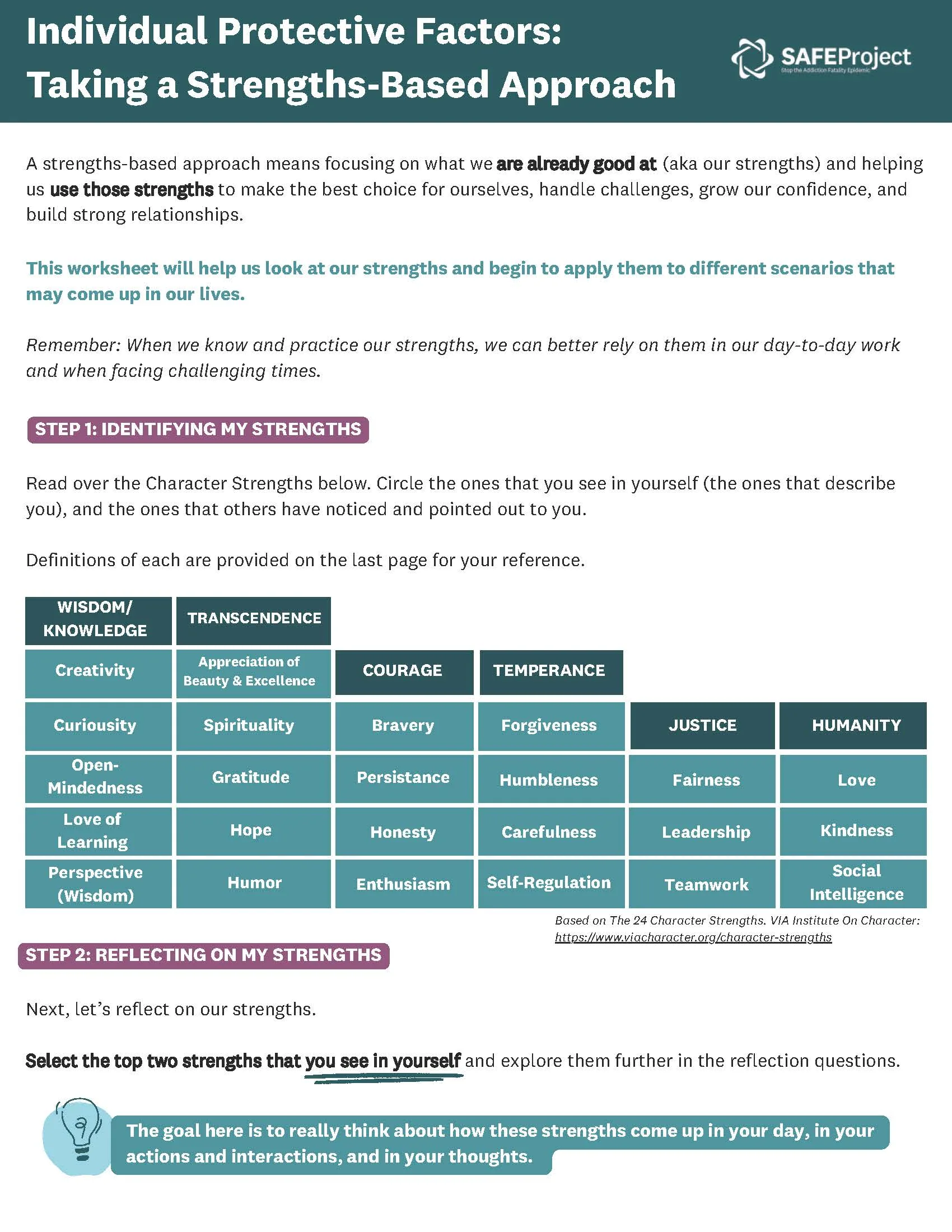
This worksheet is a tool to help us identify protective factors by taking a look at our strengths. This approach can be a helpful way of seeing our strengths in a new light, and point out the traits and skills that we have that can support our wellness, relationships, and connections.
If you’d like to have a conversation on this topic, please feel free to contact SAFE Project at prevention@safeproject.us.
Check out our previous Prevention Point articles:
#2: Stigma Reduction is Prevention
#3: Supporting Children Affected by Addiction Using Storytelling
Learn more about protective factors:
Recovery Allyship Training

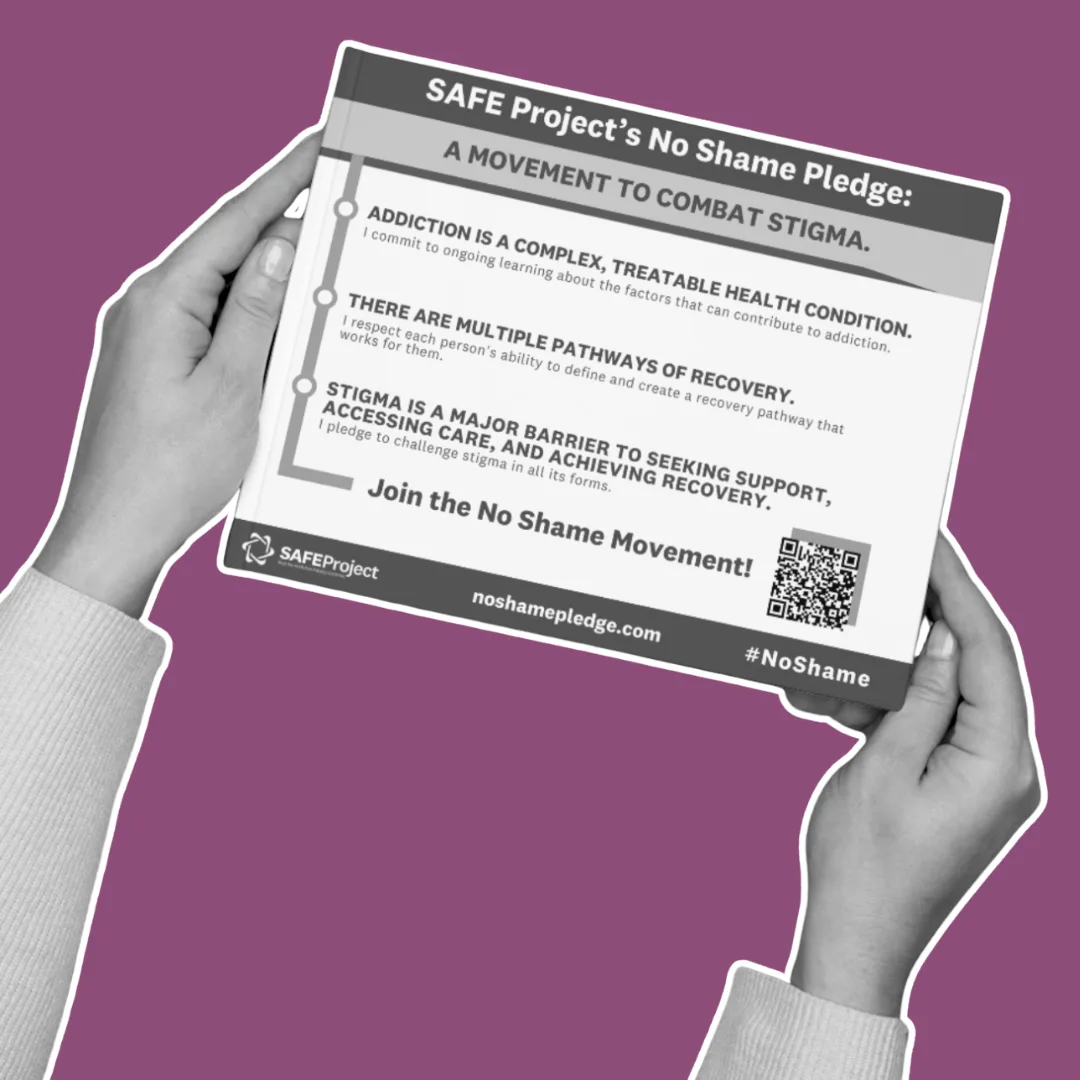
Take the No Shame Pledge
Learn More
-
Prevention Point: The Supports We Need to Thrive: Protective Factors at the Community and Societal Level

This Prevention Point explores how community and societal protective factors, from supportive schools and neighborhoods to accessible resources and healthy policies, shape our well-being. It also highlights everyday ways we can help build stronger, more connected and resilient communities.
-
5 Things to Know About Overdose
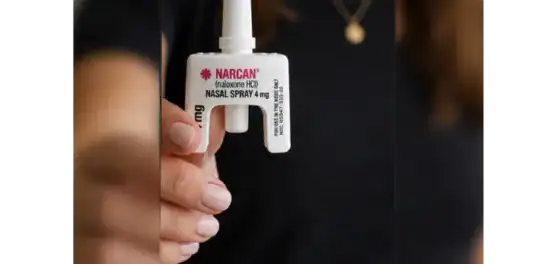
International Overdose Awareness Day is observed each year on August 31. It is a time to remember the people we have lost, support those whose lives have been changed by an overdose, and turn awareness into action. This year, there is real progress to recognize. Final CDC data show 79,384 drug overdose deaths in the…
-
Recovery in College: Finding a College with Support that’s Right for You

This SAFE Project resource is designed to help students and their families navigate that deeply personal decision. It complements existing tools–such as the Association of Recovery in Higher Education’s (ARHE) Collegiate Recovery Directory – by offering questions and considerations that help students understand what collegiate recovery support looks like in practice.