

“If there is one thing that you should know about prevention, it is that it is applicable to everyone,” Danielle said. “And all it takes is one small step.”
Danielle Choi has a favorite way of thinking about collaboration: raindrops.
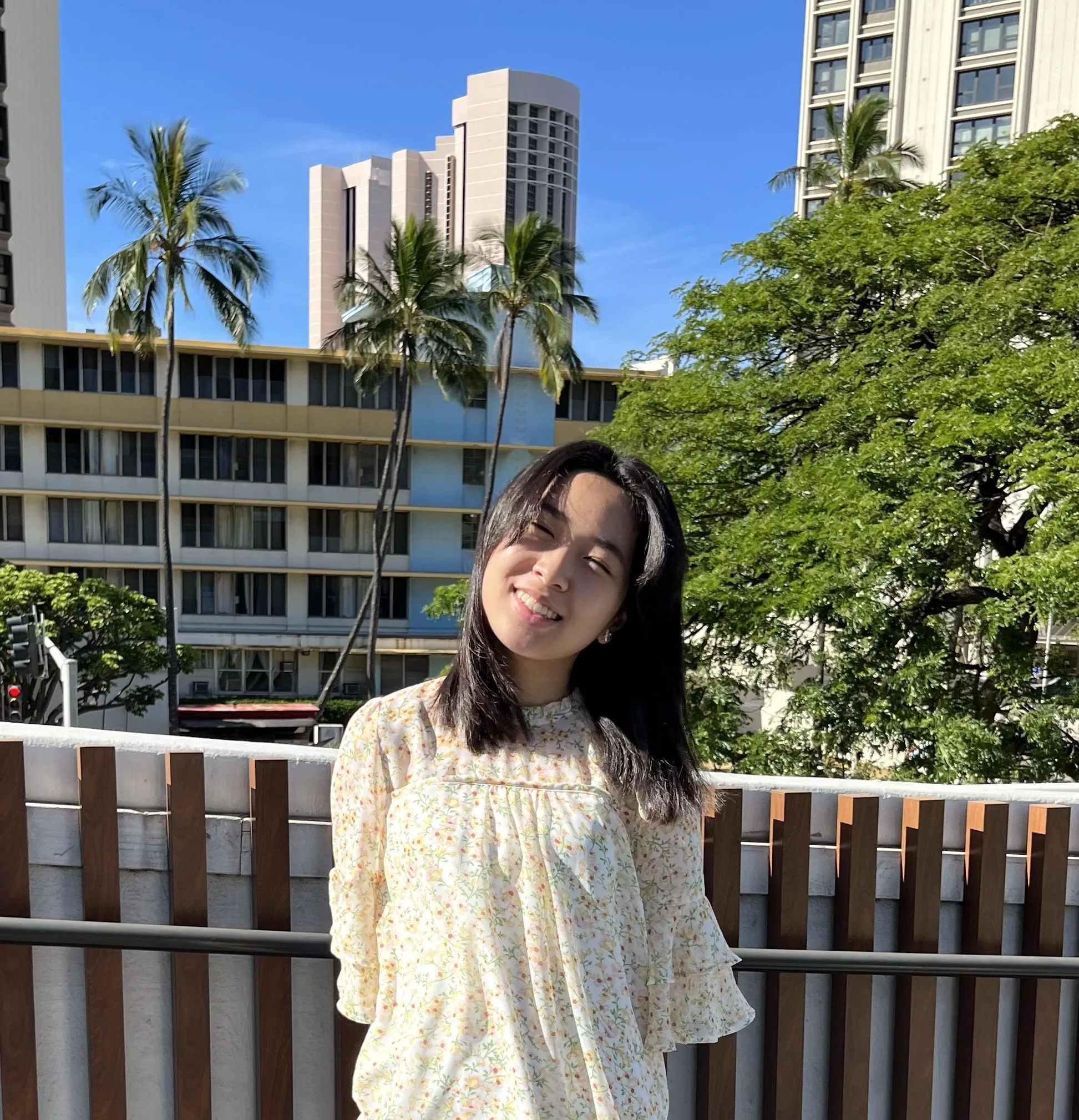
“One person is one raindroplet,” she says. Bring enough of those individual drops together, though, and suddenly you have something much more powerful.
It’s an image that captures Danielle’s approach to prevention remarkably well.
A presentation to her classmates. A medication disposal packet handed to a teacher. A conversation about stigma. A student signing their name to a pledge. A partnership between two organizations that might not otherwise have found each other.
Individually, they can seem like small actions. Together, they begin to change a culture.
For Danielle, a rising high school senior in Maryland and member of SAFE Project’s Youth VOICE Council since February 2025, that is exactly the point.
“If there is one thing that you should know about prevention, it is that it is applicable to everyone,” Danielle said. “And all it takes is one small step.”
Her own steps have taken her across an unusually wide range of interests. Danielle is fascinated by neuroscience and the brain, drawn to international relations after growing up in a military family that moved frequently, and deeply invested in advocacy and stigma reduction. Rather than treating those interests as separate paths, she has started finding the places where they intersect.
Prevention has become one of those places.
Making Prevention Part of the Conversation
Danielle’s involvement in prevention began well before she joined the Youth VOICE Council. Since middle school, she has volunteered with HC DrugFree, a local organization in her Maryland community, returning year after year to participate in efforts including medication disposal and student education.
But some of her strongest motivation came from what she was hearing among other young people.
Mental health, substance use and overdose were not always treated as serious topics. Danielle remembers hearing students joke about them in classrooms and hallways.
Instead of simply being frustrated by those conversations, she saw an opportunity to change them.
As president of her school’s HOSA-Future Health Professionals club, Danielle helped bring SAFE Project into her school for a two-part prevention initiative. Approximately 300 students and 20 teachers participated in a presentation about SAFE Project’s mission, followed by an opportunity during lunch for students to continue the conversation, learn more and sign SAFE Project’s No Shame banner. The initiative also distributed approximately 50 Deterra medication disposal packets to faculty members.
For Danielle, the goal wasn’t simply to give students more information. It was to change how they thought and talked about the issue.
“There was certainly a lot of stigma propagated in hallways and classrooms and student discussions,” she said. “Sometimes it could take the form of laughter and not really taking it too seriously.”
During the presentation, storytelling helped make the issue harder to dismiss. Students learned why prevention matters, why empathy matters and why they have a role to play.
Afterward, Danielle began to see more room for meaningful conversations.
And then there was the banner.
Students who signed SAFE Project’s No Shame pledge saw their names and their commitment hanging in the school hallway long after the presentation ended.
“It turned a fleeting moment into a forever reminder,” Danielle said.
Months later, it was still there.
For a young advocate who believes lasting change is built through small actions, that mattered. The presentation may have lasted only part of a school day, but the message didn’t have to leave when it ended.
“Impact goes beyond numbers,” Danielle said. “It’s the people that you meet, the smiles that you see, being able to hear these discussions in the hallways.”
And sometimes, it’s a banner students walk past every day reminding them that they chose to be part of something.
Prevention Is Better Together
Danielle’s work at her own school is just one example of what can happen when people come together around prevention.
During Prevention Month 2025, Danielle helped connect SAFE Project with Simply Neuroscience, a global student-led nonprofit where she serves as Co-Director of Awareness, to offer a five-week Mental Health and Substance Use Prevention Course for high school and undergraduate students.
The collaboration was designed to go beyond education alone. Over four weeks of workshops, participants explored prevention, multiple pathways to recovery and naloxone administration. During the fifth week, they put what they learned into action through impact projects, with students choosing to write poetry, research naloxone availability or create educational infographics. Five of those projects were later featured on SAFE Project’s website.
The experience reinforced something Danielle has come to value throughout her prevention work: collaboration.
“Many different minds is way more powerful than just one person,” she said. “One person is one raindroplet, but if you have multiple raindroplets, you can have a lot of power in what you do.”
And that collaboration is continuing.
Building on the impact of the 2025 course, SAFE Project will once again work with Danielle and Simply Neuroscience to offer an asynchronous prevention course during the 2026–27 year, giving more young people an opportunity to learn about prevention, engage with the material and find their own ways to put that knowledge into action.
Learn More
-
Starting Small, Saving Lives: How Ronit Ginde Turned One Experience Into Action
“Before joining the Youth Voice Council, most of what I was doing was really focused on Narcan and overdose response,” he said. “The Youth Voice Council helped me look at prevention much more broadly.” When Ronit Ginde arrived on the scene, the young person was unconscious. As an emergency medical technician, Ronit watched his partner…
-
How So Eun Kang Turned Curiosity into Action
“We have to recognize that we need to push for more prevention, awareness, and also overdose recovery,” she said. When So Eun Kang first noticed naloxone sitting beside the tables in a research lab at Case Western Reserve University, she had a simple question for her mentor: What is this?She learned that naloxone is a…
-
How John “The Cat Guy” Is Using His Story to Reach Others in Recovery
John Riemenschneider shares his recovery journey, exploring addiction, stigma, and how storytelling and connection support long-term recovery.