

Every Person. Every Community. Prevention Together – It Matters!
What is Prevention?
At SAFE Project, we believe prevention saves lives. That’s why we use proven prevention strategies in all we do, going beyond a simple “Just Say No” message and focusing on a full approach: preventing issues before they start (primary prevention); responding early when concerns appear (secondary prevention); and reducing harm and improving quality of life (tertiary prevention).
What is National Substance Use Prevention Month?
National Prevention Month may be observed during October, but prevention itself has no designated beginning or end. The most effective prevention is intentional, proactive, and woven into everyday life. While October shines a spotlight on prevention, its greatest value lies in ongoing actions we take all year long! Prevention is not a single event or message—it is an ongoing commitment to strengthening protective factors, reducing risk, and creating the conditions where everyone has the opportunity to live healthy, connected, and fulfilling lives.
Take Action
Prevention is needed now more than ever as our country works to combat the substance, overdose, and mental health crises that have seriously impacted individuals, families, and communities nationwide.
Join the No Shame Movement: There is #NoShame in getting help or in talking about mental health and addiction. Join us in creating a nationwide movement to end stigma and support others in speaking up about their own disorders — sign the No Shame Pledge today!
Print & Share – Have a Safety Plan: A simple, printable guide to help individuals and families create a safety plan in times of crisis.
Get Help – SAFE Treatment and Support Locator: Use this locator tool to find treatment, recovery, and support services near you.
Upcoming Prevention Month Webinars
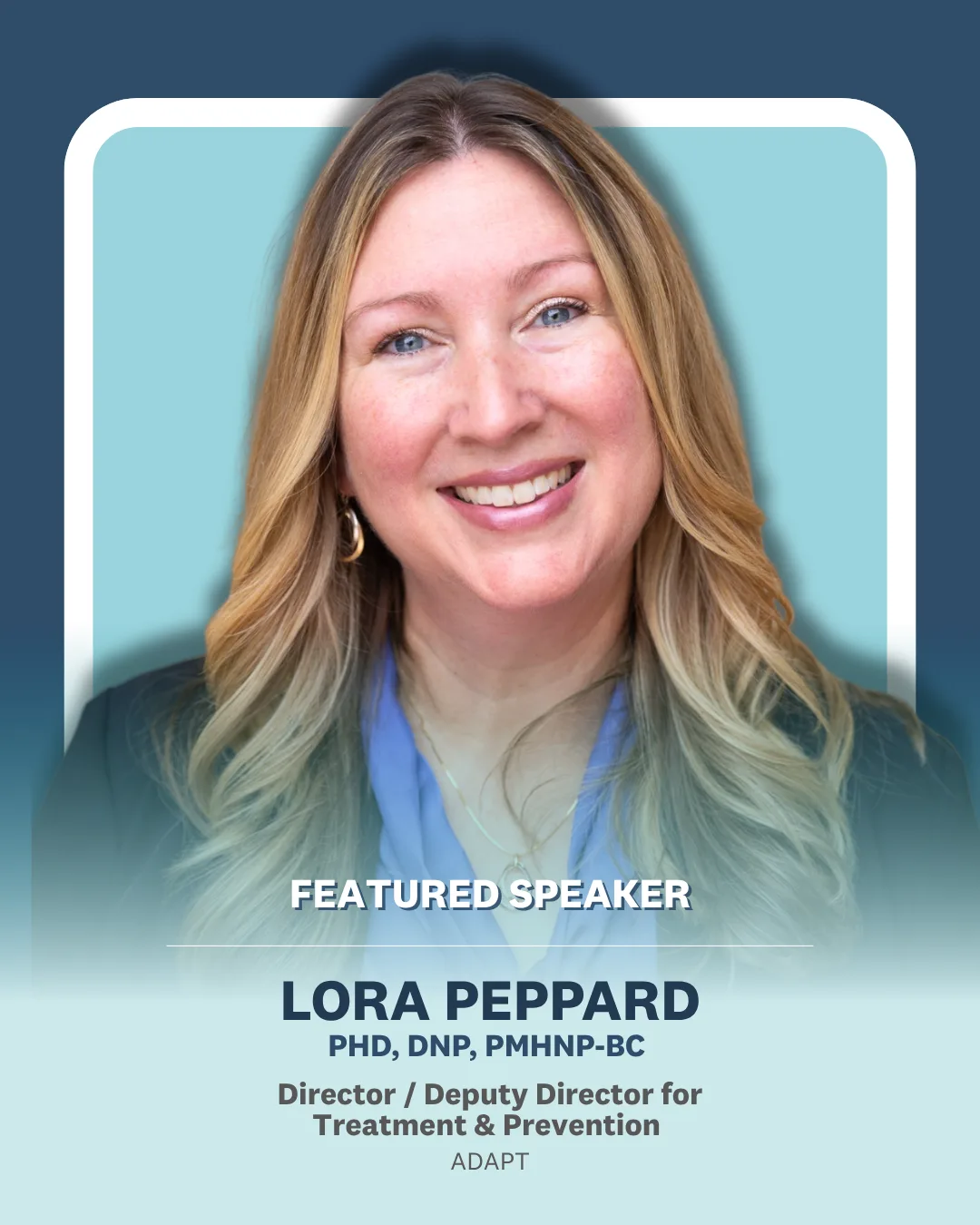
Building Health-Promoting Relationships
September 30 • 12:00 PM ET
This presentation will offer a practical framework for building health-promoting relationships that help prevent mental and behavioral health risks while fostering protective beliefs, well-being, and flourishing. The science behind connection and relationships will be examined along with four intentional strategies that comprise a “way of being” with others. A belief system comprising five core beliefs trusted adults can cultivate within others will be described. Several opportunities will be provided for self-reflection and enhancement of one’s ability to engage the “way of being”. Participants will have an opportunity to identify specific areas for growth.
Helping Young People Thrive: Building Resilience and Protective Factors Through Proactive Prevention
October 14 • 12:00 PM ET
Need more details.
The Different Types of Prevention
Within the public health approach to prevention, there are three main types of intervention strategies where the focus in each is on reducing risk factors and strengthening protective factors that bolster health and well-being. The big picture, prevention is not one size fits all nor is it one and done. Prevention happens along a spectrum from stopping disease before it starts to catching it early, to managing its impact once it has begun. The spectrum includes: Primary, Secondary and Tertiary prevention.
Primary prevention has a universal target with a broad reach, designed to prevent or delay substance use within a broad group of individuals before substance use begins. Promotion is proactive and holistic and includes building protective factors, providing judgement-free substance use education, early support and health promotion. It is often the most cost effective.
Secondary prevention has a selective target with a smaller reach of specific groups of individuals identified as having higher than average risk of engaging in substance use. Promotion includes screenings for early detection and prompt interventions to reduce further use, prevent progression of high risk use and complications.
Tertiary prevention is the most specialized form of prevention for individuals who exhibit significant risk factors and signs of substance use occurrence. Interventions are specific to the individual and focus on recovery and reduction of harm and complications and should involve professional trained clinicians and counselors. Promotion includes reflection around substance use, harm reduction strategies, responsible and informed use, resources and treatment as needed.
Message from the Senior Director of Prevention
Ronna Yablonski
Red Ribbon Week starts with pinning on a red ribbon. It’s about making a visible stance. It’s about showing support and gaining and giving knowledge. It’s about community, family, and self. It’s one week that catalyzes an entire year of vested action and commitment to the field of substance use prevention, intervention, treatment, and recovery.
This year, SAFE Project chose to wear and share red ribbons and prevention resources. Throughout October, we distributed 5,000 ribbons to 10 school districts nationwide and various organizations, including friends and supporters at CADCA, Washington County Health, DC Fire Association, and Drug-Free Workplaces of PA.
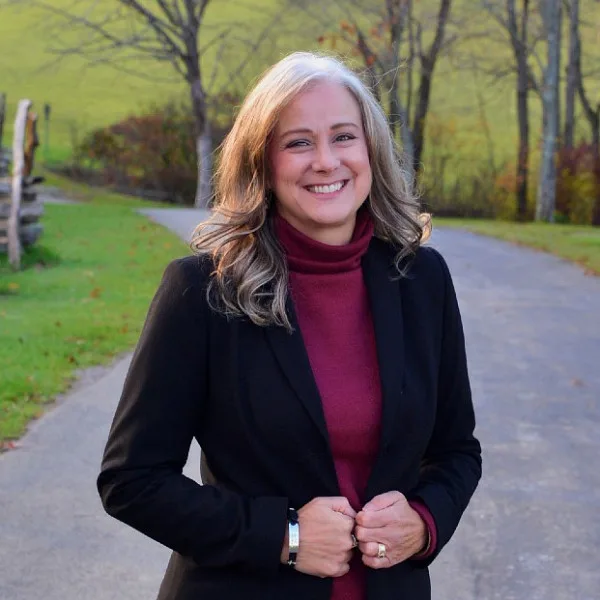
Prevention Collaborations
Partnering with Narcx for Take Back Day
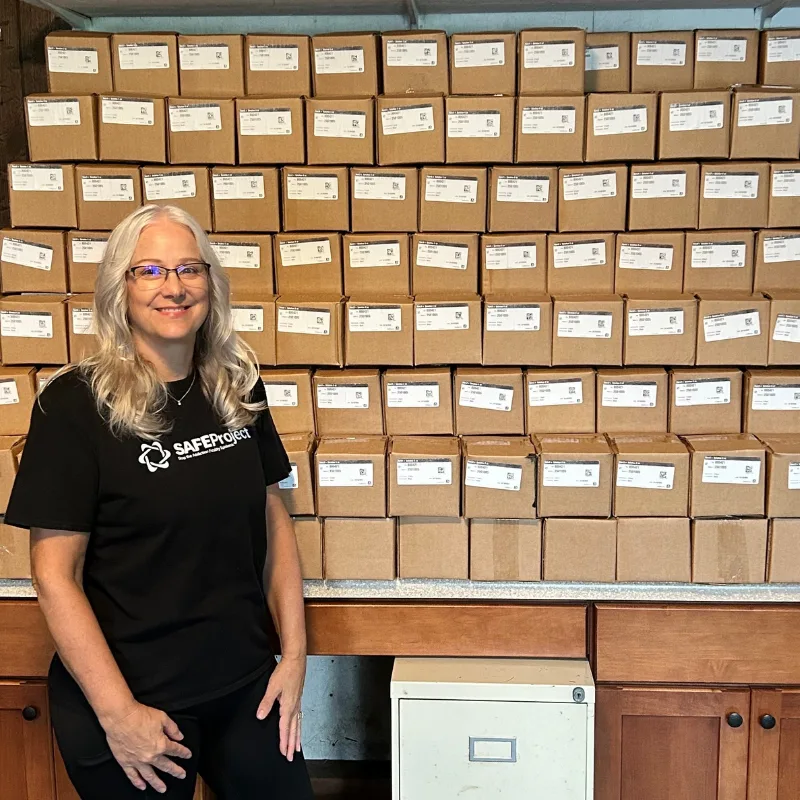
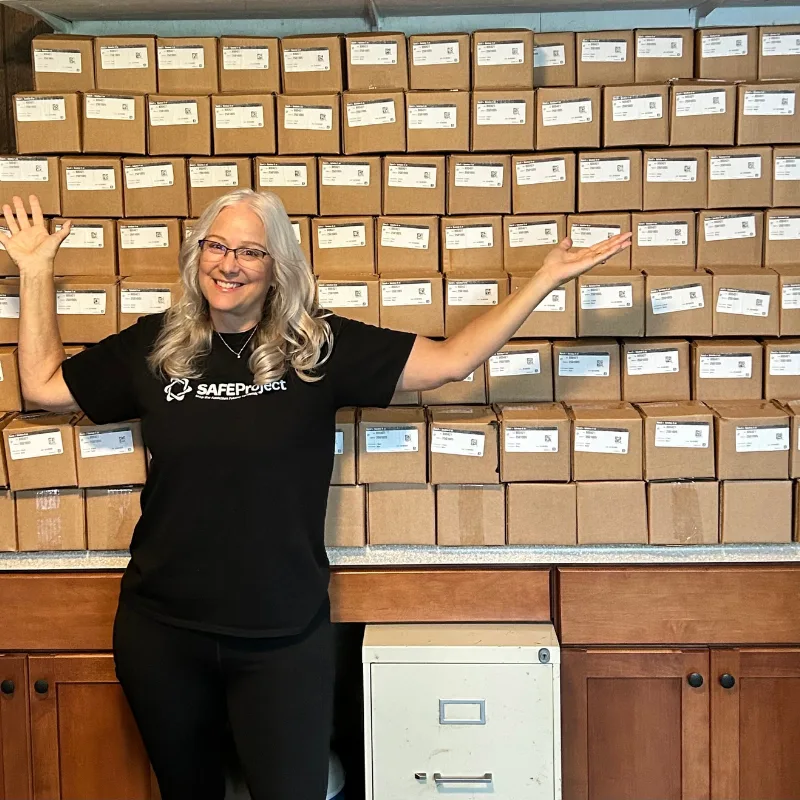
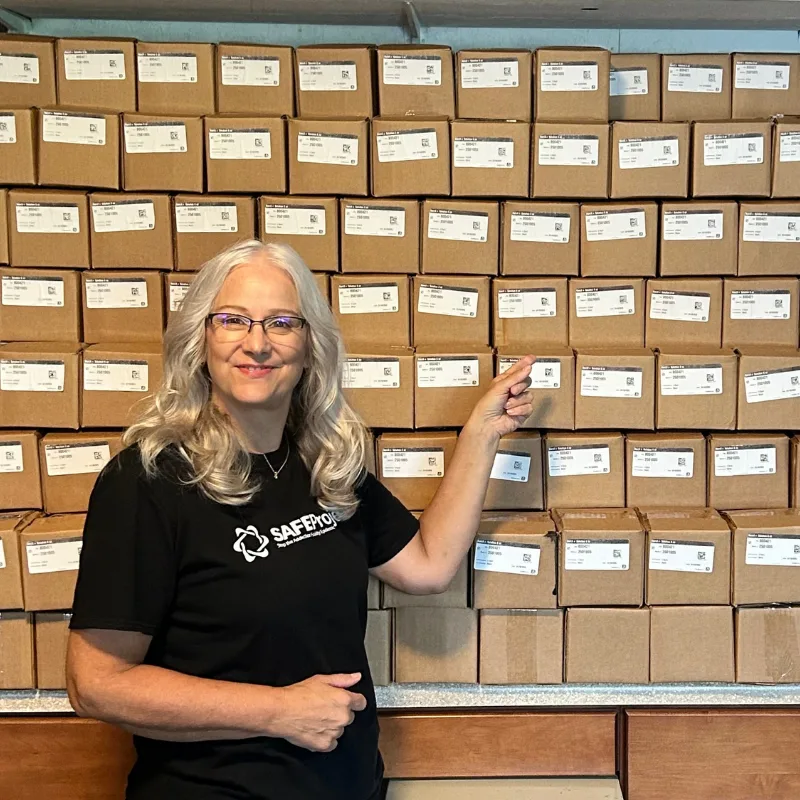
In-Home Disposal Matters!
Make safe medication disposal part of your routine. Safely disposing of unused prescription medications helps create a safer home, reduces opportunities for misuse, and is a simple prevention step that we all can take. One small action can make a life-saving difference.
Prevention Month Resources
Podcast Features
The Overdose Report
Featuring Ronna Yablonski
Ronna brings more than 20 years of experience in youth substance use prevention and community-based work to the conversation.
The Pulse of Prevention
Featuring Ronna Yablonski
Ronna Yablonski’s message highlights why youth involvement isn’t just helpful — it’s essential. Check it out as she shares her experience.
The Pulse of Prevention
Featuring Jeff Horwitz
Jeff Horwitz, SAFE Project CEO, discussed the addiction epidemic and why overdose deaths among teens remain high.
Prevention Month Spotlights
Hear from Members of our Youth VOICE Council
Prevention Spotlight features real-world examples of prevention in action, showcasing the work of partners who are making a difference every day. Through these stories, we share best practices, celebrate innovative approaches, and demonstrate the power of proactive prevention.
Danielle Choi
Nullam id dolor id nibh ultricies vehicula ut id elit. Sed posuere consectetur est at lobortis.
Ronit Ginde
Nullam id dolor id nibh ultricies vehicula ut id elit. Sed posuere consectetur est at lobortis.
So Eun King
Vivamus sagittis lacus vel augue laoreet rutrum faucibus dolor auctor. Morbi leo risus, porta ac consectetur ac, vestibulum at eros. Nullam id dolor id nibh ultricies vehicula ut id elit. Maecenas faucibus mollis interdum.
Join Today!
Prevention Points Segments
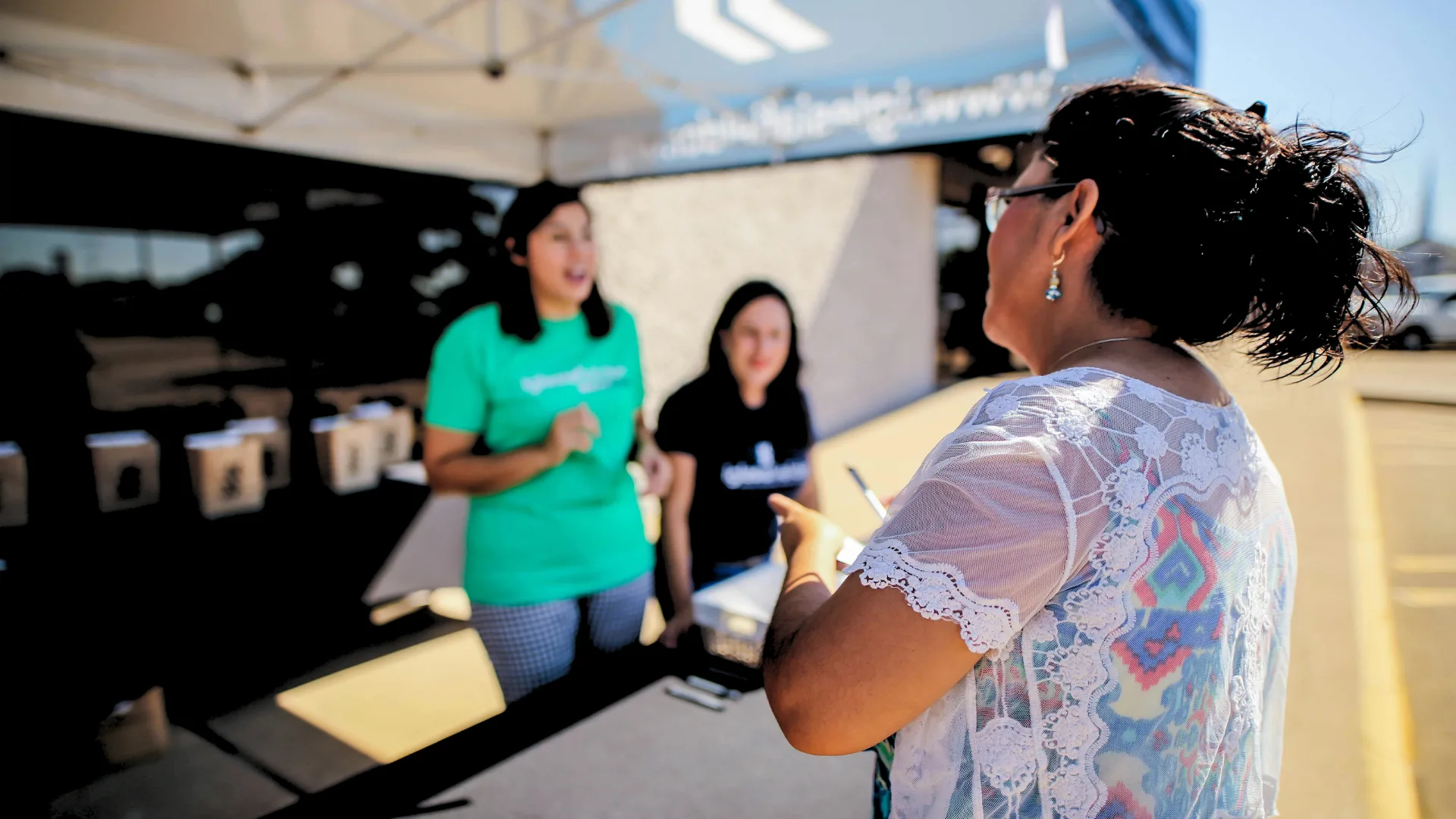
Identifying and Building Individual Protective Factors
May 2026

Connections Matter – Relationships as Protective Factors
June 2026

Protective Factors Within Communities and Society
October 2026
SAFE Project & Simply Neuroscience are Teaming Up for Prevention Month
Special Announcement Coming Soon!
Selected high school and undergraduate students will participate in interactive online workshops designed to educate and equip them with practical knowledge about mental health challenges and substance use prevention.
Free Online Training Modules
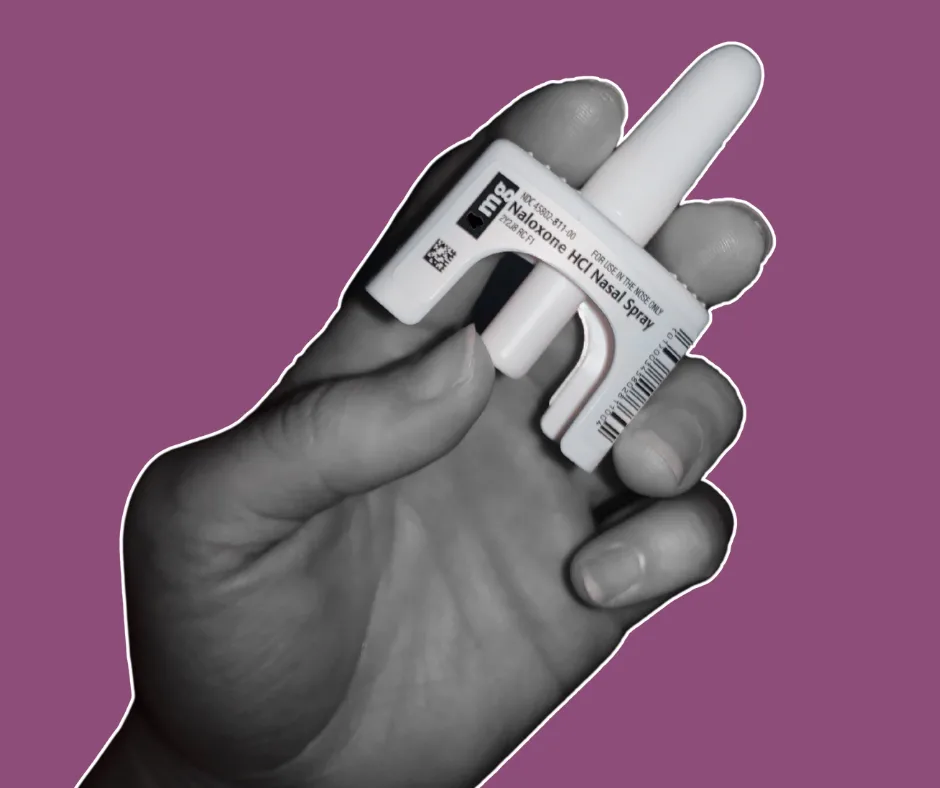
Opioid Overdose Response Training
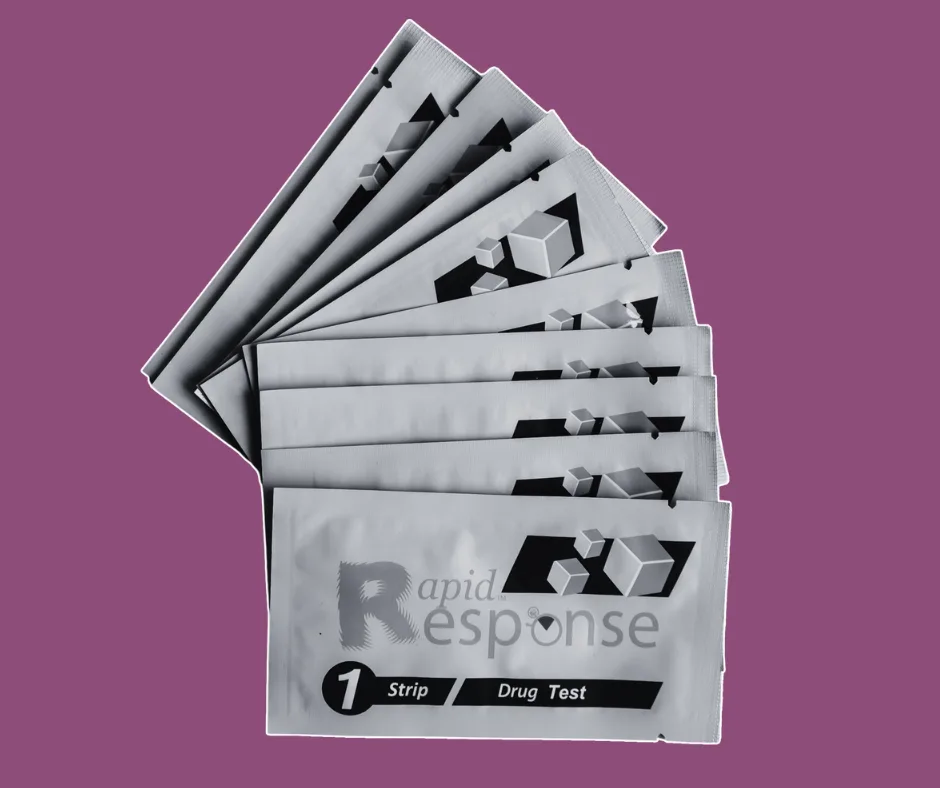
Fentanyl Safety Training

Recovery Allyship Training