

The Collegiate Recovery Leadership Academy (CRLA) is an academic-year-long fellowship for students passionate about the intersections of addiction and mental health recovery, leadership, and advocacy.
CRLA Fellows design and implement a prevention, harm reduction, or recovery-focused Impact Project on their campus. Throughout the program, Fellows receive advocacy and leadership training, attend two in-person events, and join a supportive national cohort of student leaders committed to shifting the culture in higher education.

Applicant Criteria
To apply, students must:
- Be enrolled in post-secondary coursework for the full academic year of participation
- Have completed at least one year at their college or university (familiarity with your campus helps when creating change)
- Demonstrate interest in addiction and mental health recovery, leadership, and advocacy.
Benefits of CRLA:
As a CRLA Fellow, you will:
- Design and implement an Impact Project on your campus
- Shape the future of prevention, harm reduction, and recovery in higher education
- Strengthen your leadership skills while furthering professional and personal development
- Receive training grounded in social justice to create sustainable change
- Build relationships with other passionate students and mentors from across the country
- Attend two all-expense-paid trips to connect with CRLA peers and mentors
Meet the CRLA Class of 2026
Why are you passionate about recovery, harm reduction, or anti-stigma work?
Avery Anderson
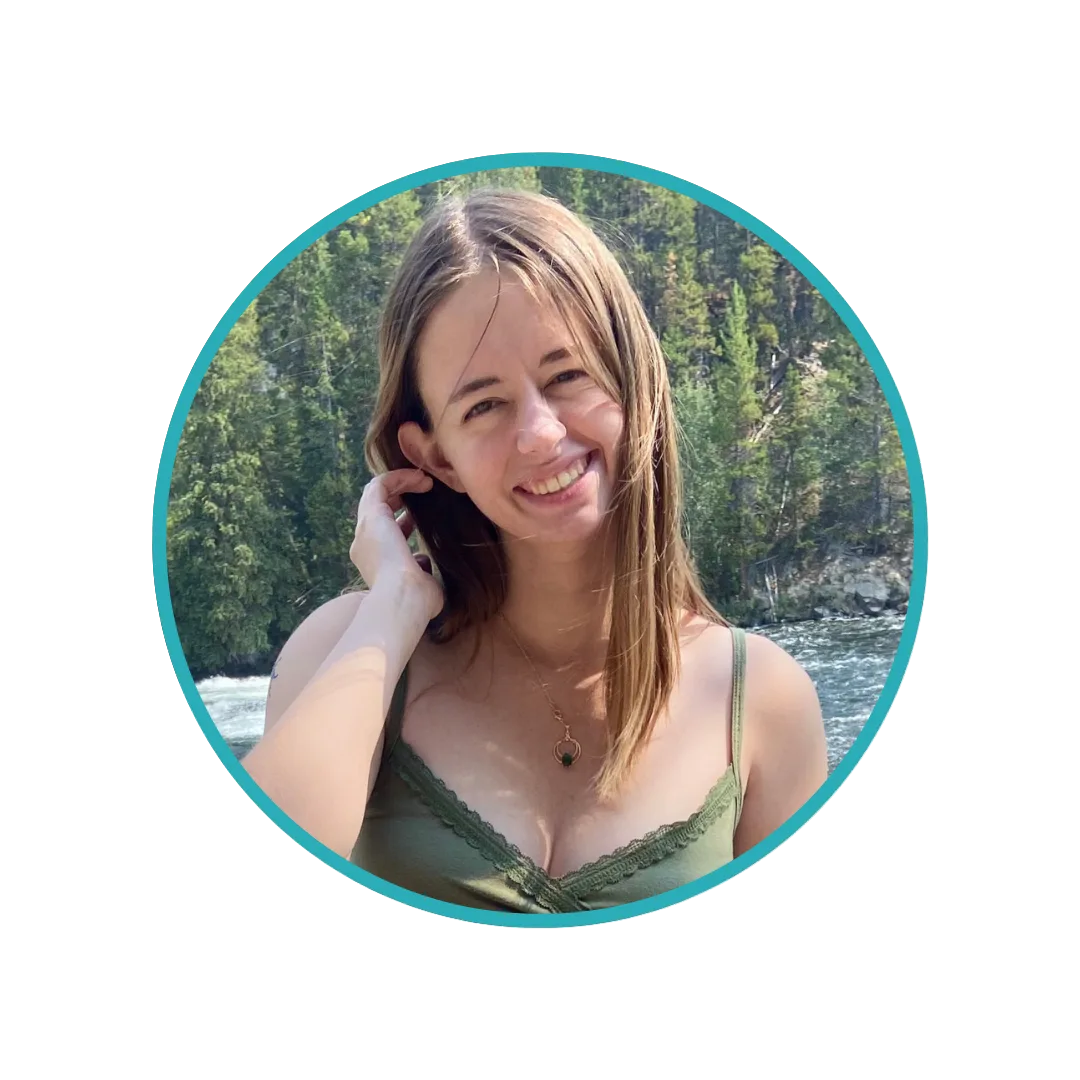
Kansas State University
I am currently studying to become an addiction counselor, and my studies have made me really passionate about recovery. Many of my family members have struggled with addiction, and I know some of them would not have survived if they did not have a strong support system to rely on. I want to provide that same kind of support for others so they can recover!
Tammy Ayers
University of Washington Bothell
My personal journey has shown me how deeply stigma and judgment can wound the recovery process, inspiring me to create spaces where people feel free to be themselves. I believe healing can be joyful experience, and I hope to make room for creative paths, through modes of art and self-expression, that allow people to reconnect with themselves and discover their own way forward.
Phillip Brooks
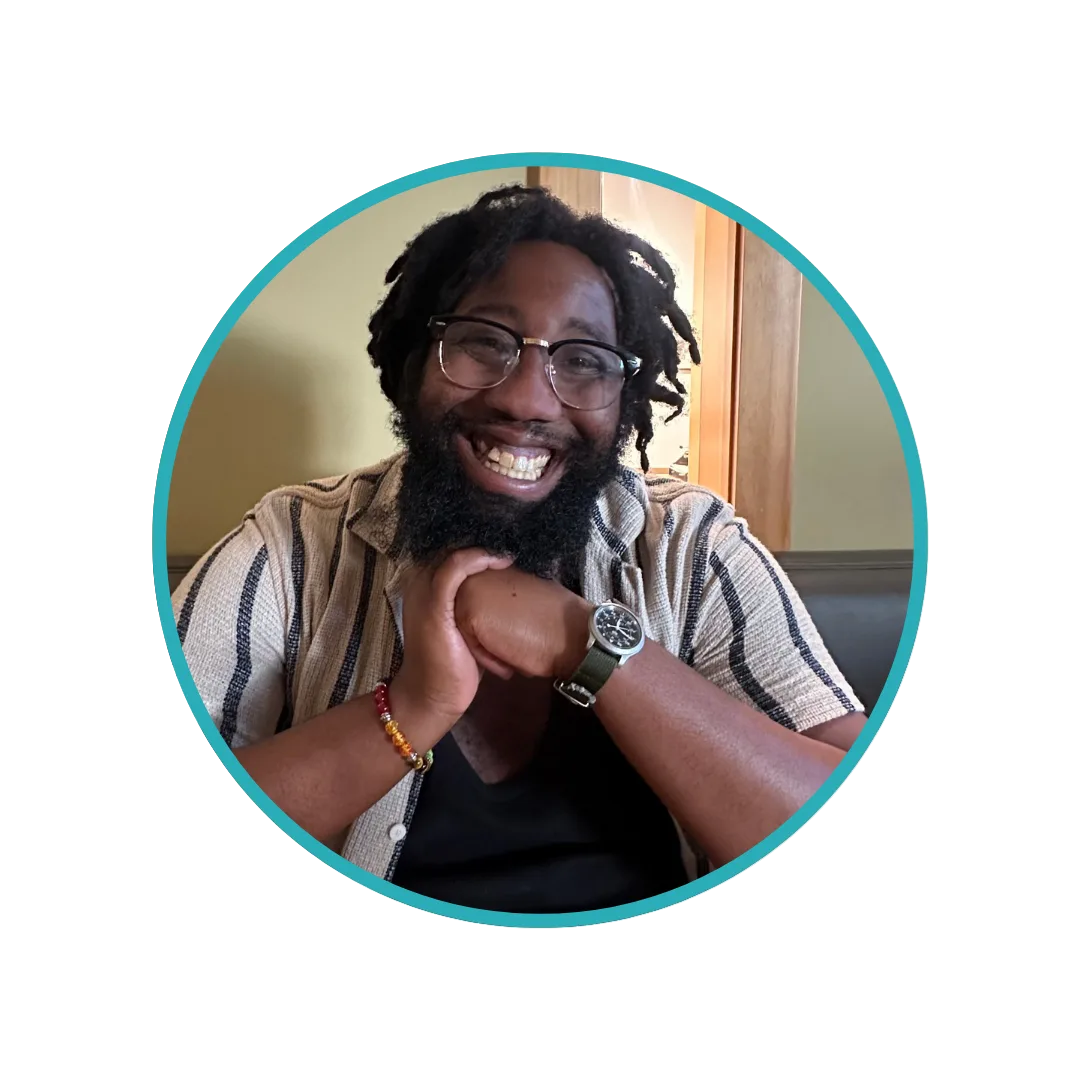
University of Washington Bothell
A world that is safe for our most vulnerable people is a world that is safe for everyone.
Max Carroll
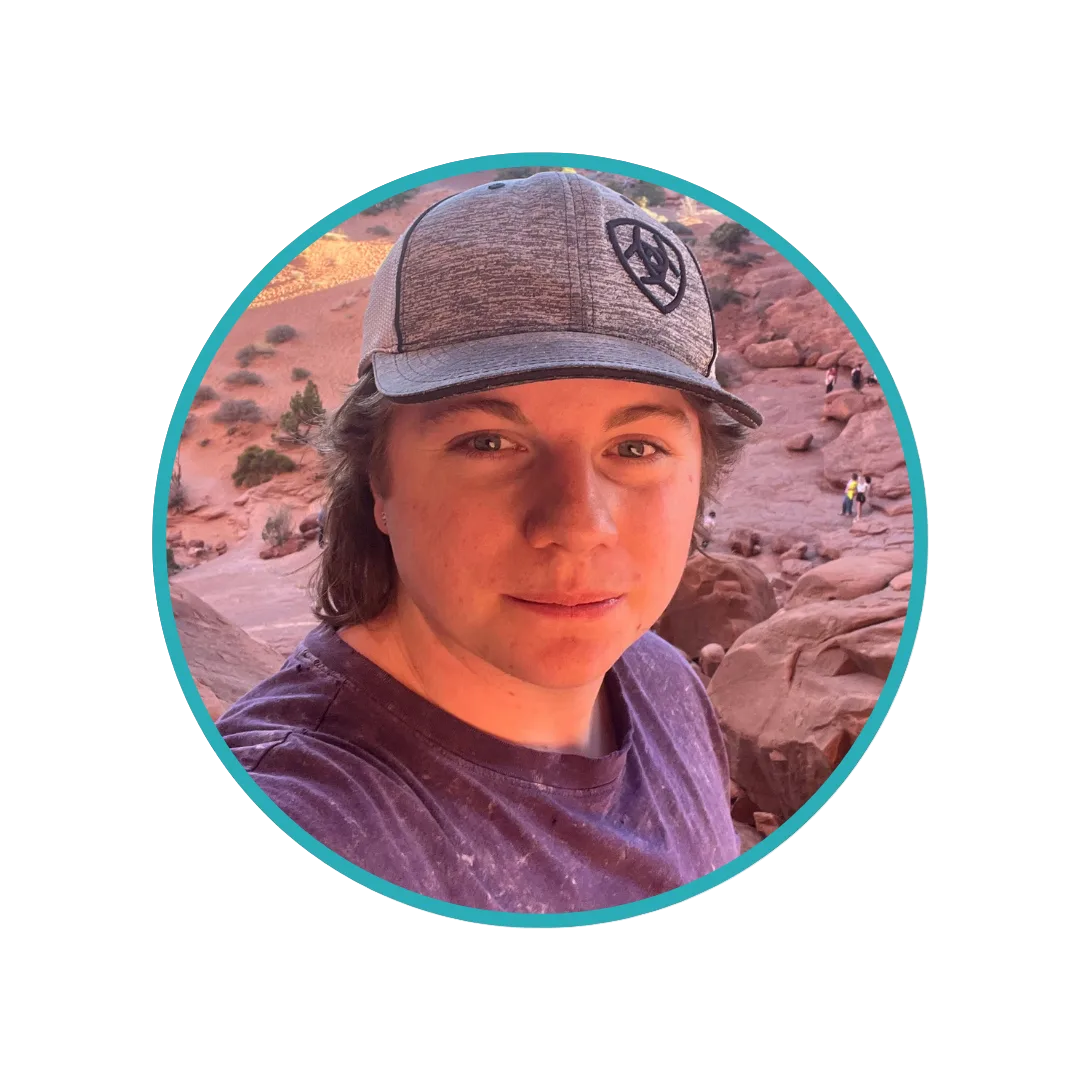
University of Utah
I myself am a recovering alcoholic, and I want to help others at my school.
Jaydah Davido
University of California, Santa Cruz
The deeper understanding of addiction and how these people are in need of love, understanding, and support. Not judgment; that only makes them hide and makes them think something is wrong with them, which creates a cycle of addiction.
Stephen Dean
University of South Florida
My passion for recovery, harm reduction, and anti-stigma work comes from how deeply my life has been shaped by substance use within my family. These experiences motivate me to support individuals and families with compassion, understanding, and respect. I also want to continue examining my own beliefs and emotions so that my personal experiences help me connect with others without making assumptions about their lives. By strengthening my knowledge and using sensitive, recovery-supportive language, I hope to help create spaces where people feel valued, supported, and comfortable seeking help.
Grant Dewey
Boston University
Harm reduction is one of the most evidence-backed areas of public health, and I believe reducing stigma around use and recovery is going to help people get the help they need without judgment. I want to remove the barriers between access to care and those who need it.
Danielle Dobbs
Centralia College
I am a recovering addict myself who was heavy into opioids and want to help save lives.
Tarynn Douglas
Aims Community College
Anti-stigma will help with both of the other things, and if people know about the other two, it will help with stigma, helping the cycle end even just a little bit.
Jose Flores
Seminary of the Southwest
My passion for recovery, harm reduction, and anti-stigma work comes from how deeply my life has been shaped by substance use within my family. These experiences motivate me to support individuals and families with compassion, understanding, and respect. I also want to continue examining my own beliefs and emotions so that my personal experiences help me connect with others without making assumptions about their lives. By strengthening my knowledge and using sensitive, recovery-supportive language, I hope to help create spaces where people feel valued, supported, and comfortable seeking help.
Adam Fullerton
Colorado State University
I am passionate about recovery, harm reduction, and anti-stigma work because recovery completely changed the direction of my life. Through my own recovery, I have learned that people do not need more judgment when they are struggling—they need connection, support, resources, and people who believe that change is possible.
Ashley Girdler
Northwestern State University of Louisiana
Because these processes were less stigmatized in my younger years, I would have had many less negative life experiences. My kids and family wouldn’t have suffered because of my choices. And I could have started working to help others even sooner.
Cooper Graham
Pacific University
As someone who identifies as being in recovery myself, and who has people in their life that are, too, I care about supporting others who are affected by addiction and who are in recovery. It can be an alienating and isolating battle, and can be filled with shame and hopelessness. People in recovery and people who use drugs are just that: people. They have rights, they deserve love, and they deserve to feel even some semblance of hope.
Melak Hayata
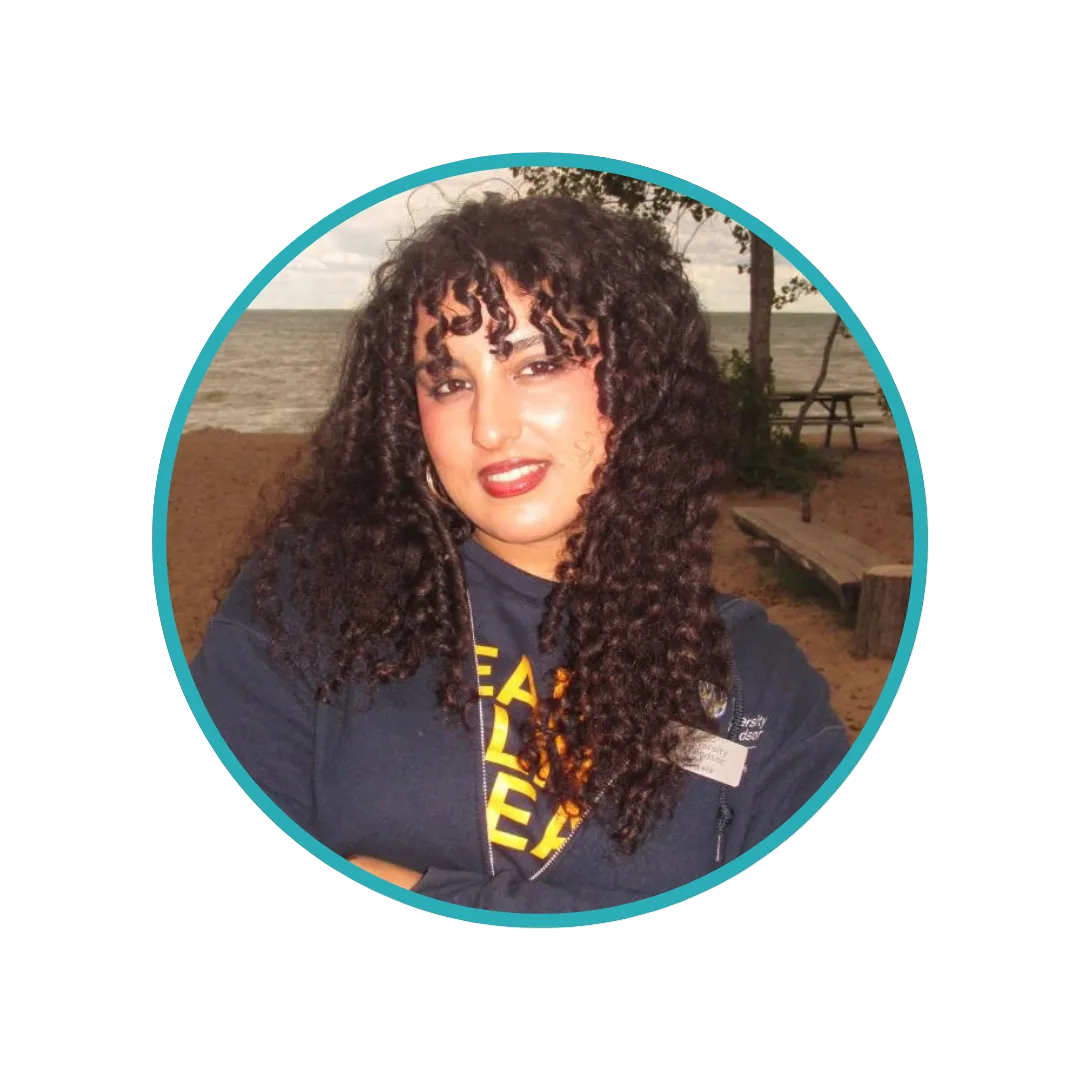
University of Windsor
I’m passionate about this work because I have seen how shame and stigma can push people away from school, support, and the people who care about them. Through my personal experiences and my work with Lancer Recover, I’ve learned how important it is to meet people where they are and support them without judgment. I want students to feel safe asking for help and to know they are not alone.
Sheila Hennigan

Kansas State University
I am passionate about helping people struggling with addiction because I know firsthand how difficult addiction can be and how much courage it takes to choose recovery. My own recovery has given me a sense of purpose and a desire to use my experiences to give others hope, reduce the stigma surrounding addiction, and remind people that their past does not have to determine their future.
Diana Linares
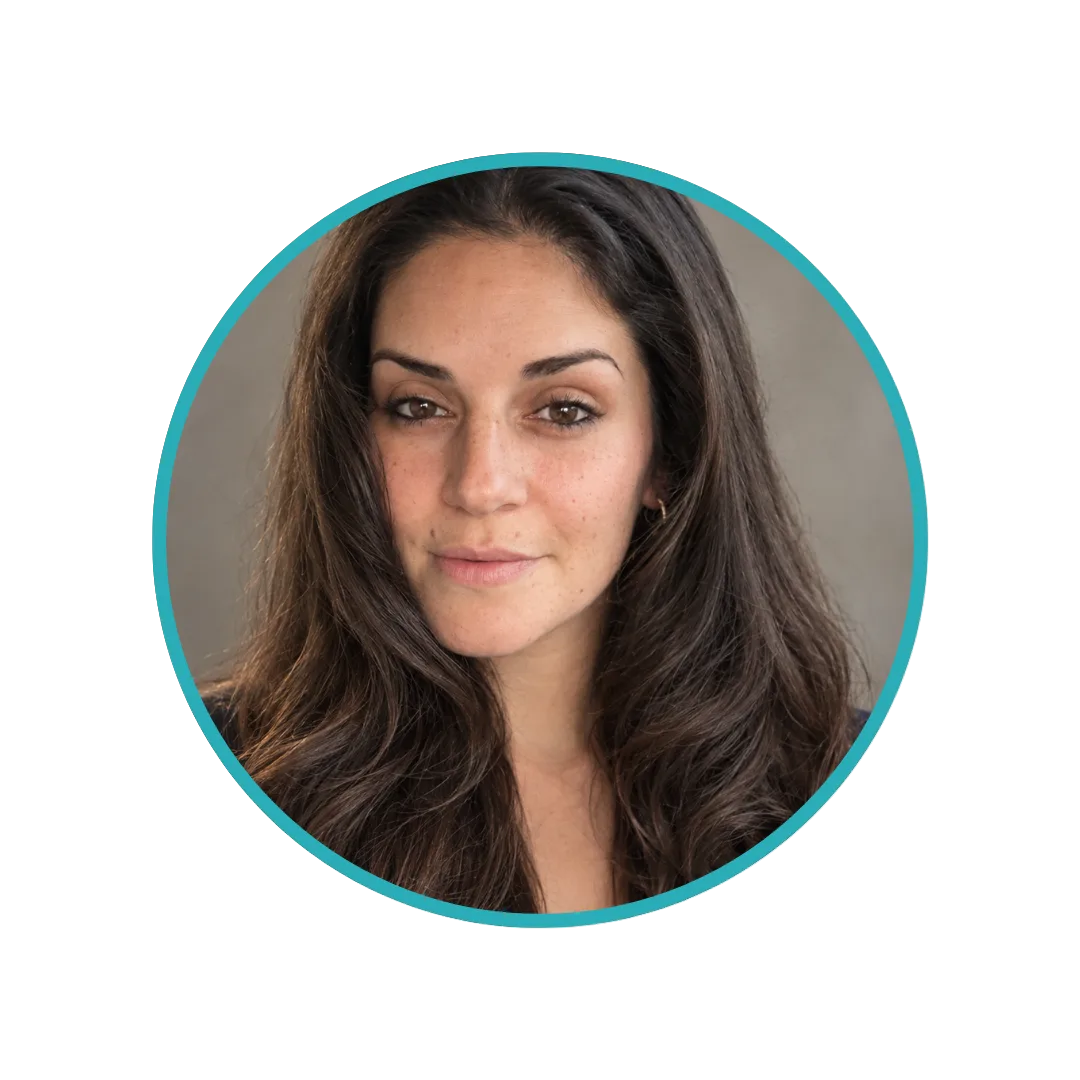
Austin Community College
This work is deeply meaningful to me because I lost my mother to an overdose when I was young. I have seen how addiction can tear families apart and affect entire communities. I believe everyone deserves support, and someone who believes in them. My goal is to meet people where they are, remind them that they matter, and support those who are ready and willing to take steps towards recovery. I truly believe people deserve compassion and the opportunity to rebuild their lives without being defined or held back by their past.
Rebecca Maldonado
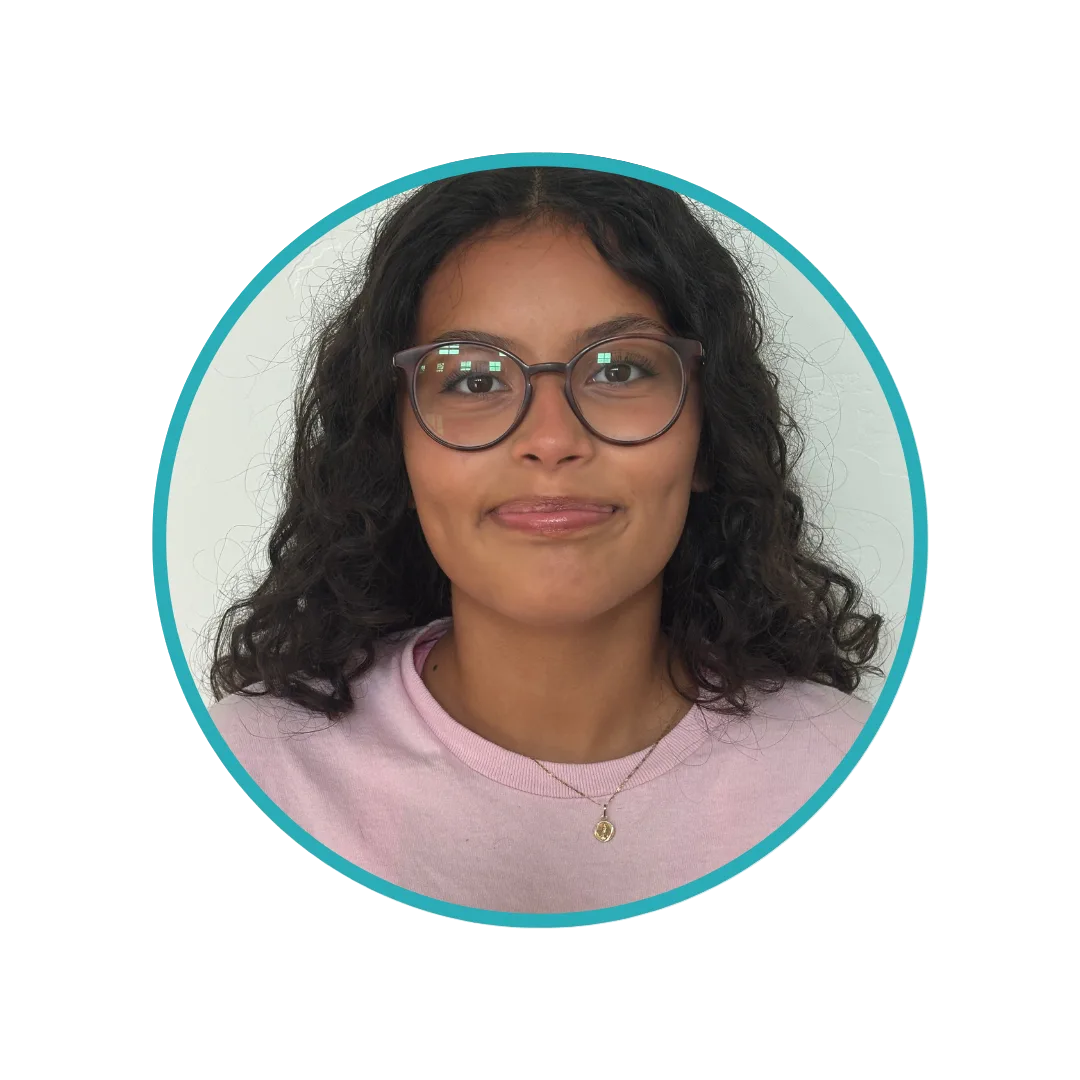
University of California, Santa Cruz
I am passionate about recovery because I have seen it through my peers in high school and now in college using varies of substance such as nicotine, marijuana, alcohol, and more. I also have seen it firsthand through my first boyfriend who I slowly saw going into substances, and I made it my mission as to help my peers by build my knowledge and skills through the CRLA Program.
Meredith McKinney
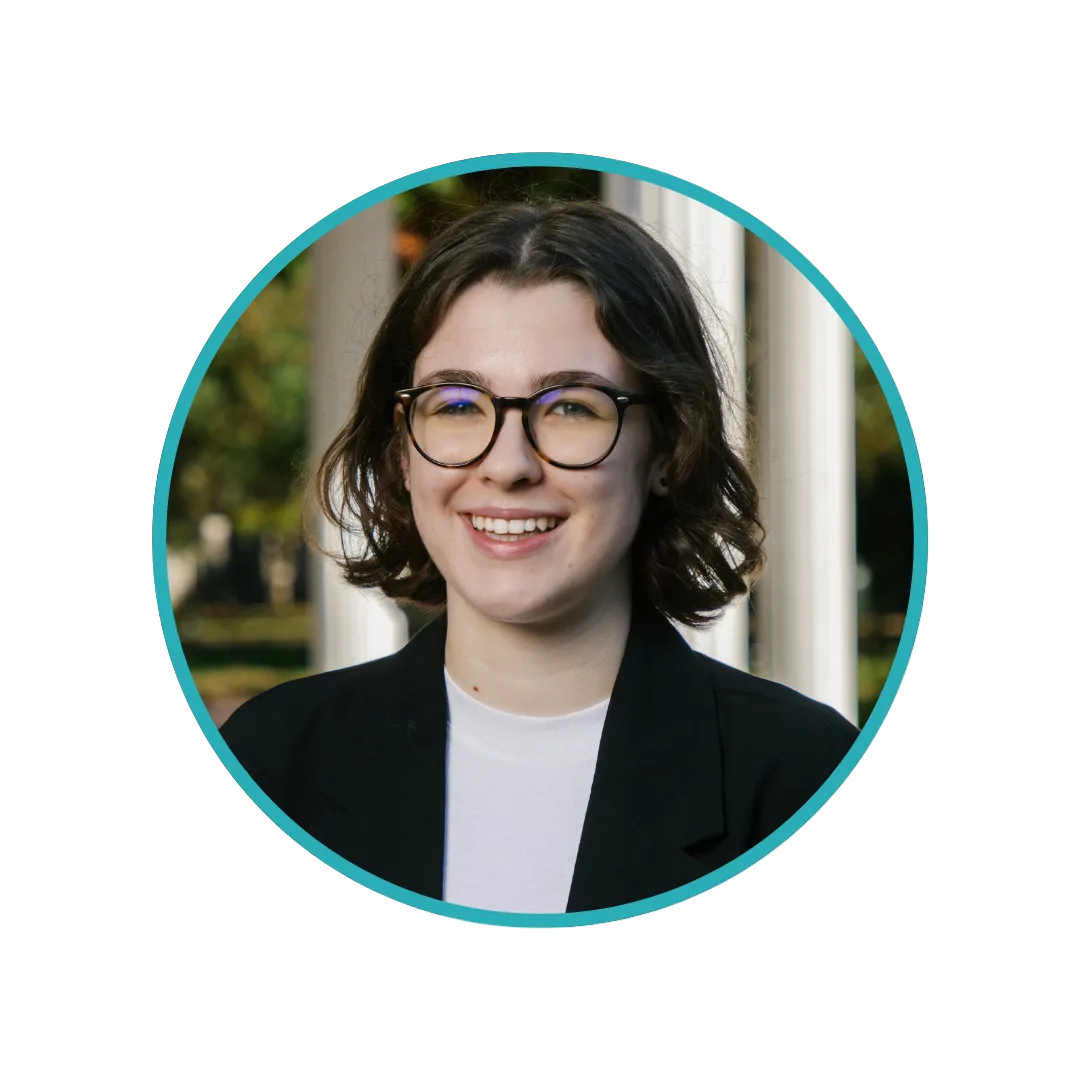
UNC Chapel Hill
Substance misuse is not a moral issue, and overdose can happen to anyone. Providing harm reduction resources, and meeting people where they are saves lives. There is a saying in the recovery community that “the opposite of addiction is connection,” and I strive to be that point of connection for those who need it.
Anthony Perfetto
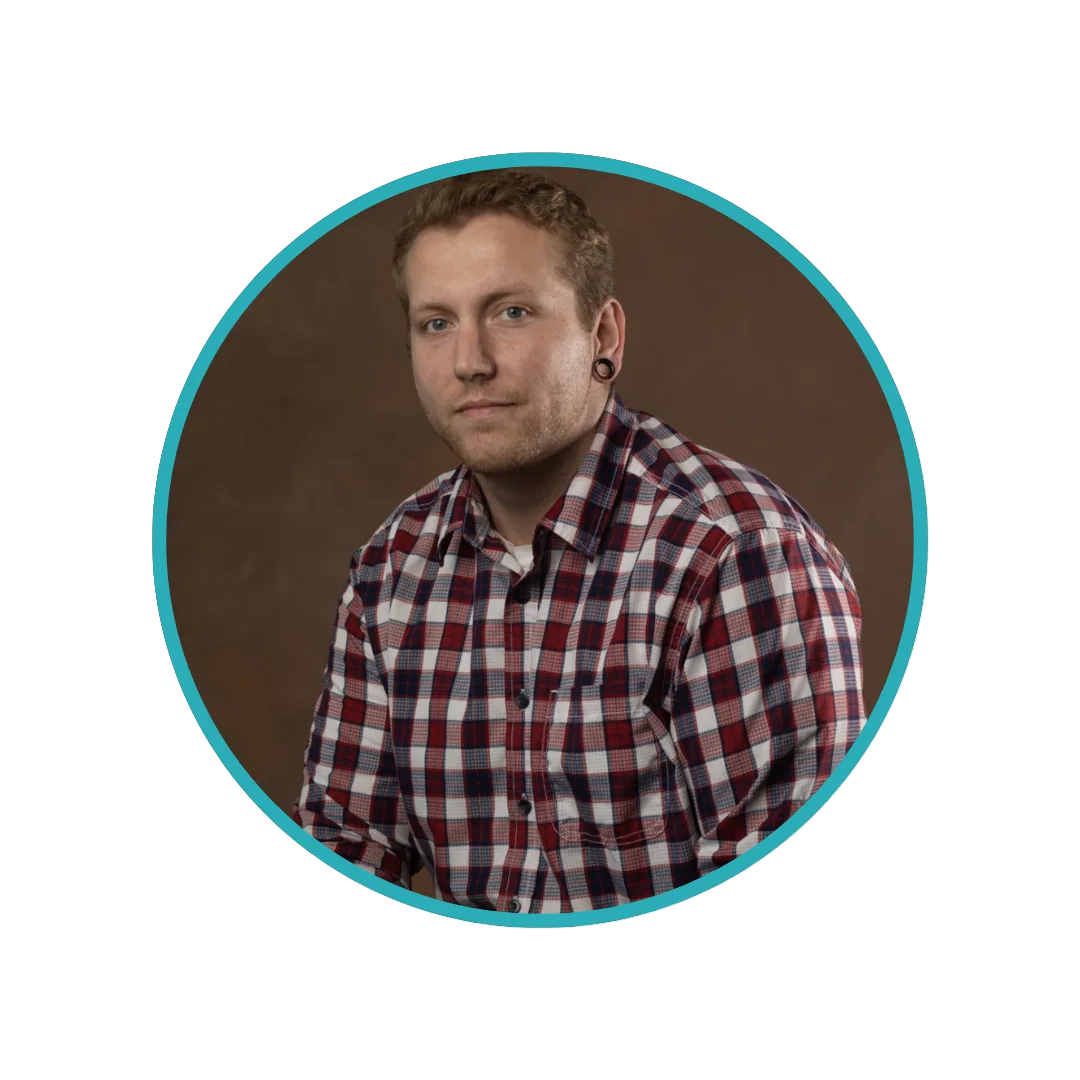
Mt. San Antonio College
I’m passionate about recovery because I’ve lived it. I know what it’s like to struggle with addiction and have people judge you based on your past or the worst things you’ve done. I also know how much life can change when someone gets the right support and is given another chance. Recovery completely changed my life and today I get to be a father, go to college, mentor other students, and work toward becoming an addiction counselor. I want to help break the stigma around addiction and show people that someone can have a rough past and still go on to do something meaningful with their life.
Rose Peterson
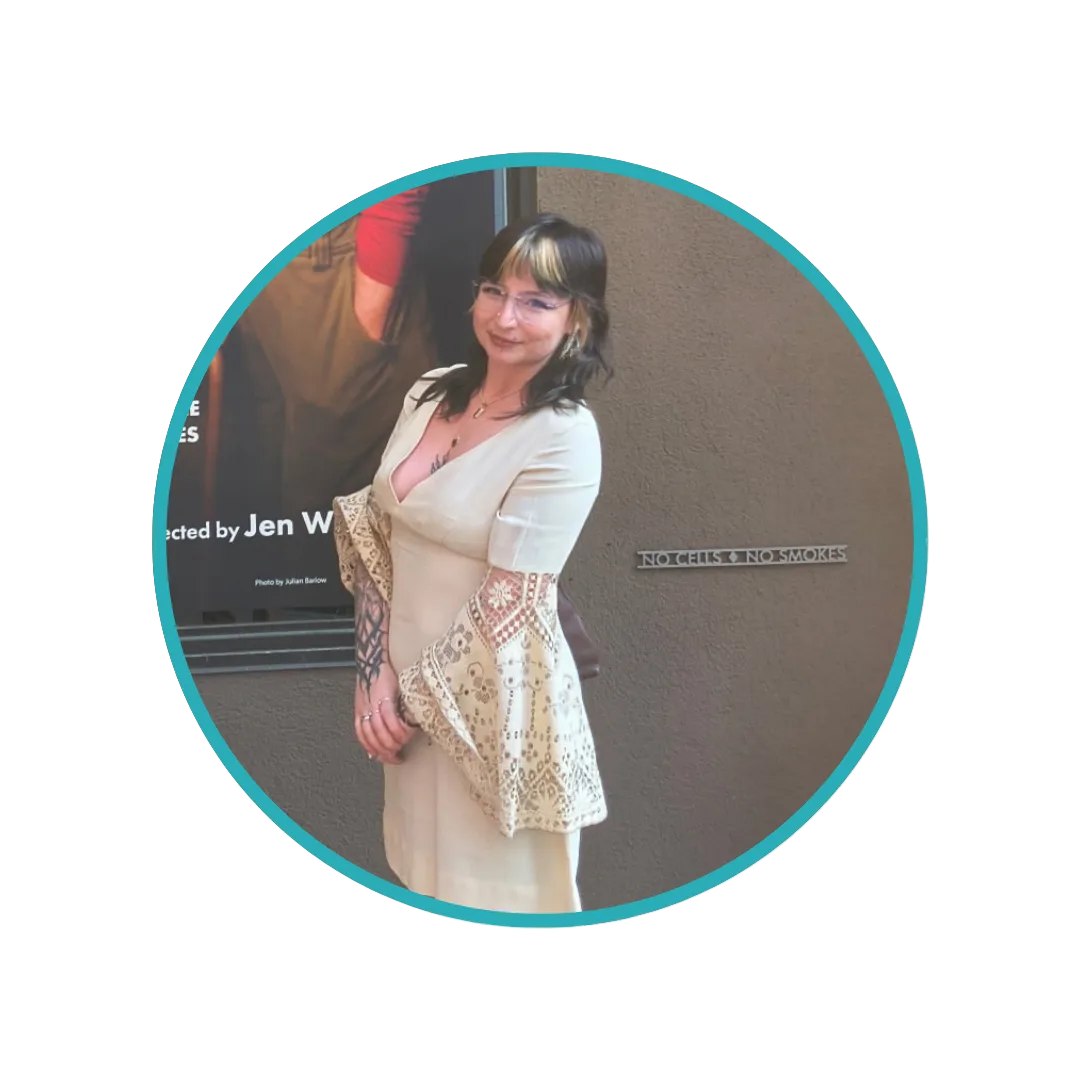
Central Connecticut State University
My community (LGBTQ Community) is at an increased risk for substance abuse – I want my campus to know I care and to provide support to my peers.
Aamina Phineas
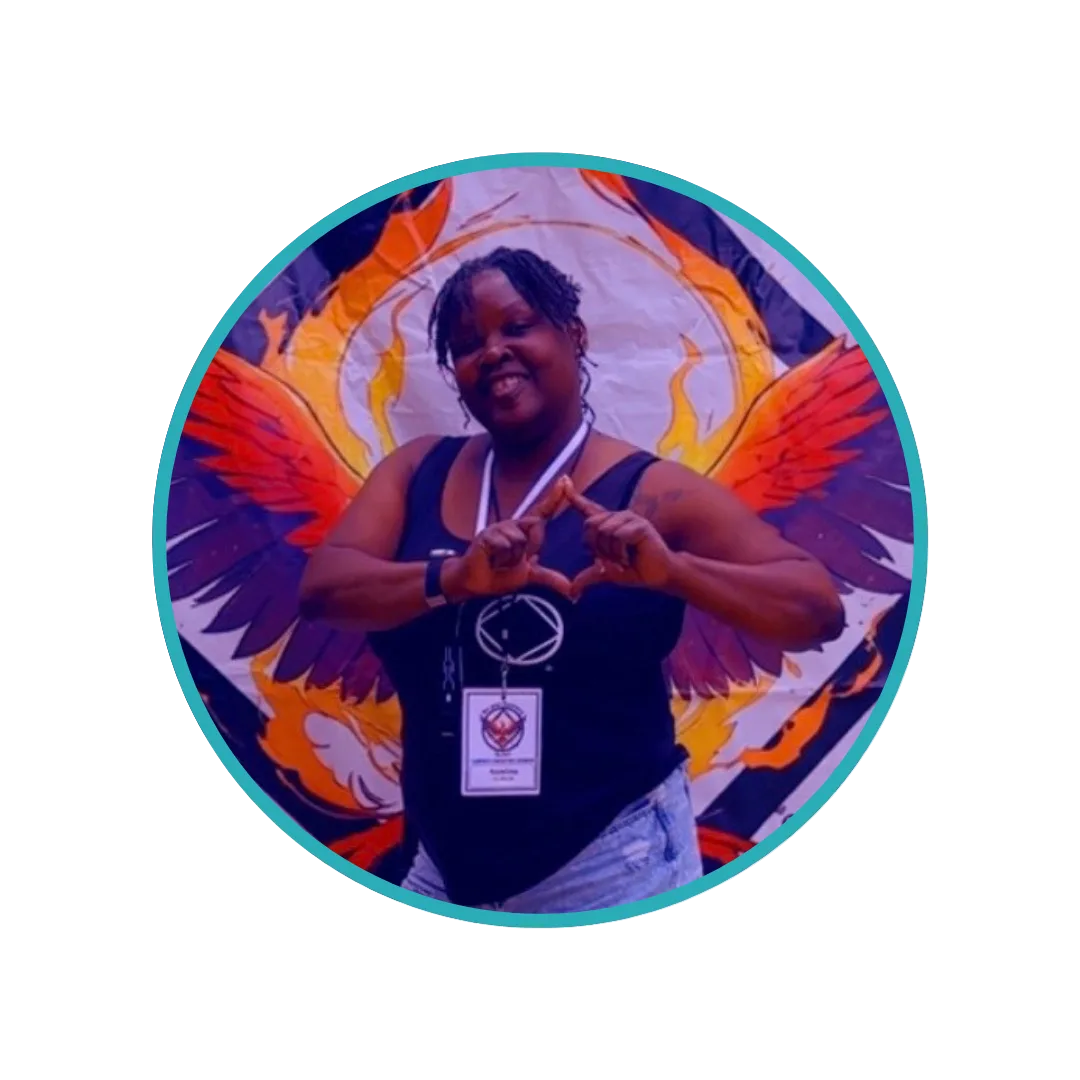
California State University, Sacramento
I know what it feels like to need support and be judged instead. I want people to feel respected and know that help is available wherever they are in their journey.
Rachel Robidoux
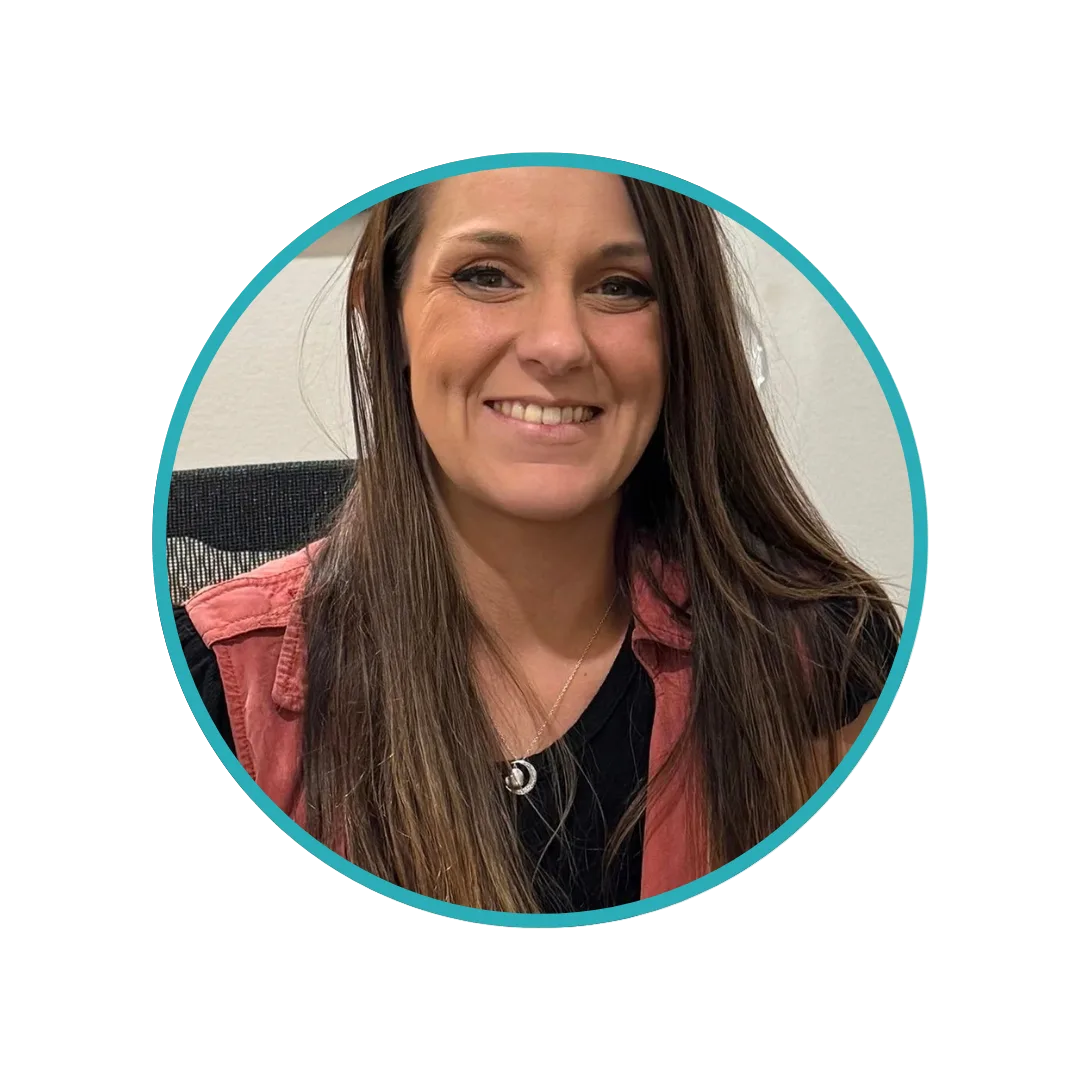
Centralia College
I have personal lived experience with addiction, mental health, and in recovery for both. I have lost many people I love to overdose, and I want to see a change in the way that we deliver treatment to people. I think that every one person who sees people as people and spreads love and education truly saves lives.
London San Luis
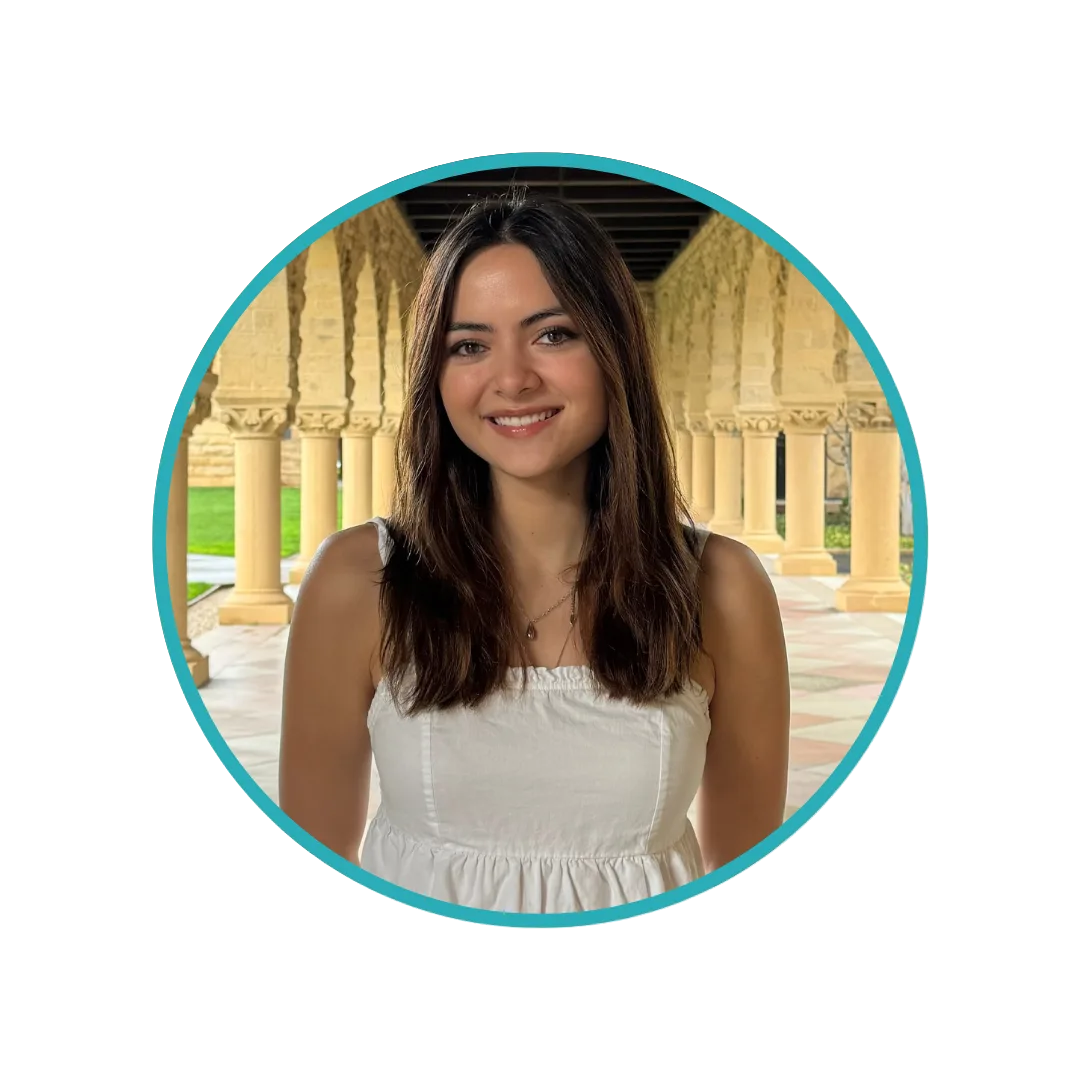
Stanford University
I’ve seen how much the right support can change someone’s experience with substance use and recovery, especially in college, where stigma can make it incredibly difficult to ask for help. I’m passionate about harm reduction and anti-stigma work because I believe people deserve support wherever they are, not only once they reach a particular definition of “recovery.” Reducing barriers, meeting people with compassion, and giving people the tools to make safer and healthier choices can be incredibly powerful and effective.
Stoddard Schleuter
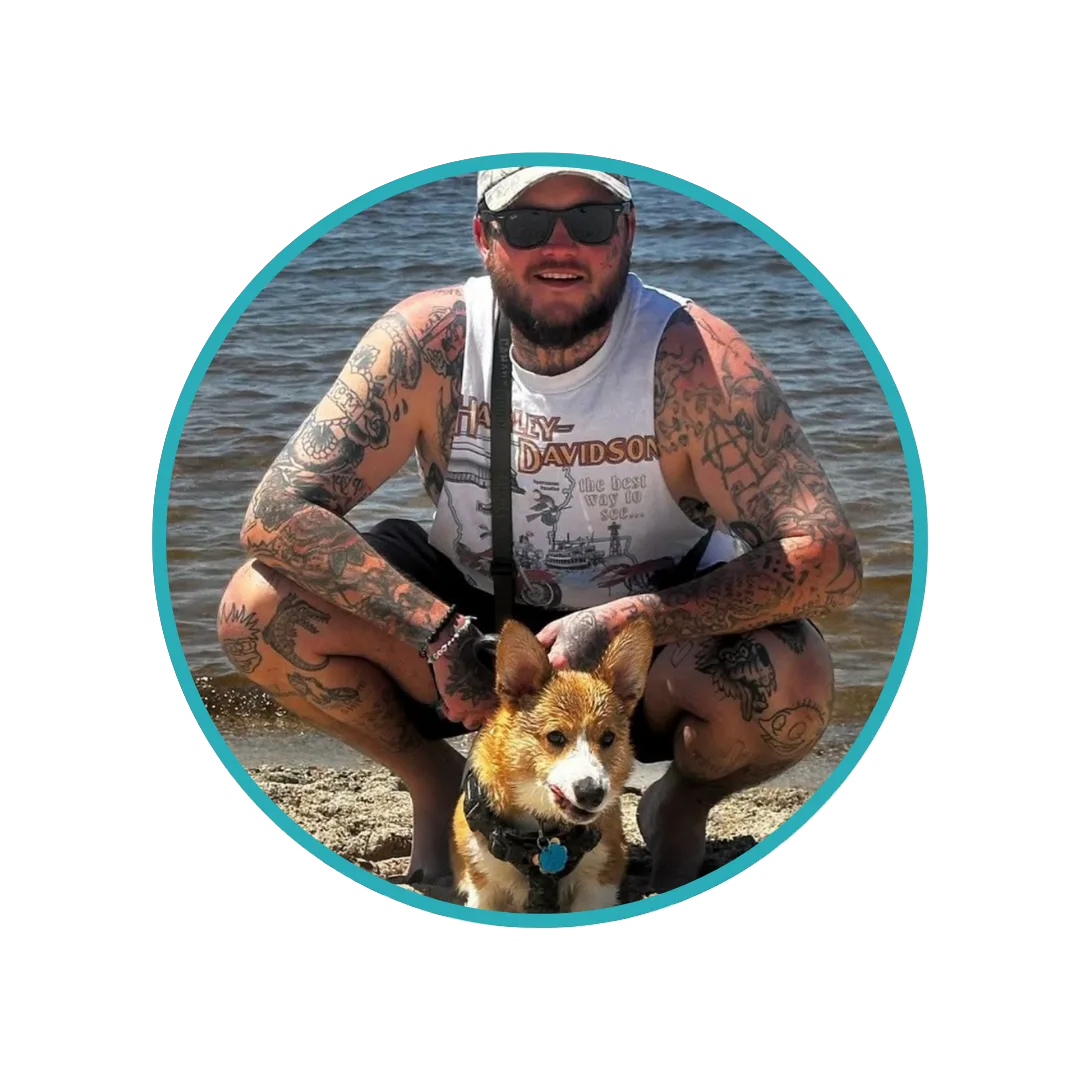
Southeastern Louisiana University
I am an addict, and I’m majoring in Social Work.
Isabella (Bella) Snow
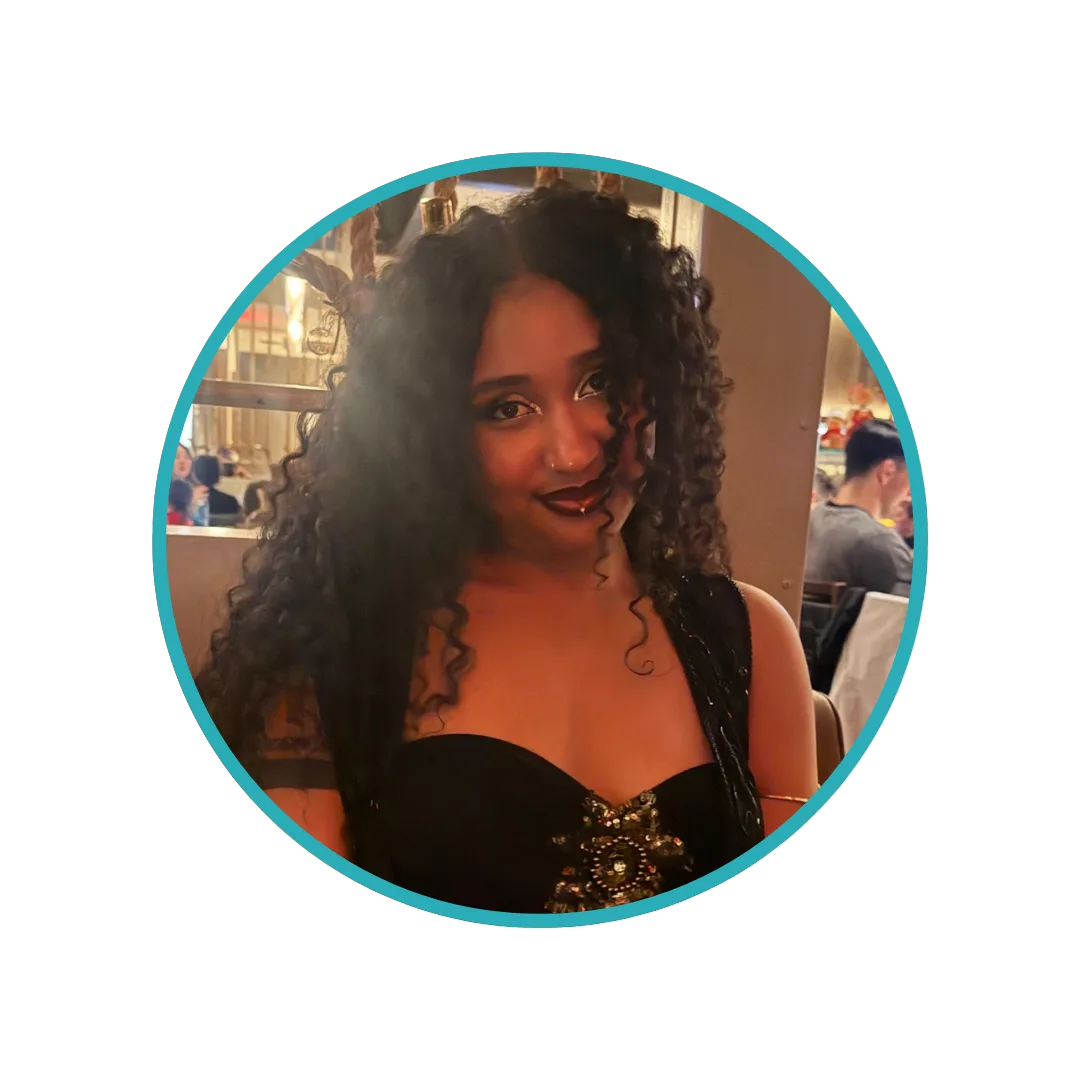
University of California, Santa Cruz
Substance abuse is something that has been very prevalent in my family history, and recovery has become a big focus for me personally. As someone who got sober on a college campus, I have experienced the difficulties of trying to recover in a place where there is little space held for sobriety. I also hope to become a counselor in the substance use field and eventually do research on addiction in marginalized communities. Overall, I know awareness, harm reduction, and anti-stigma work are the first steps in helping others that may be struggling with substances.
Jason (Jay) Solano
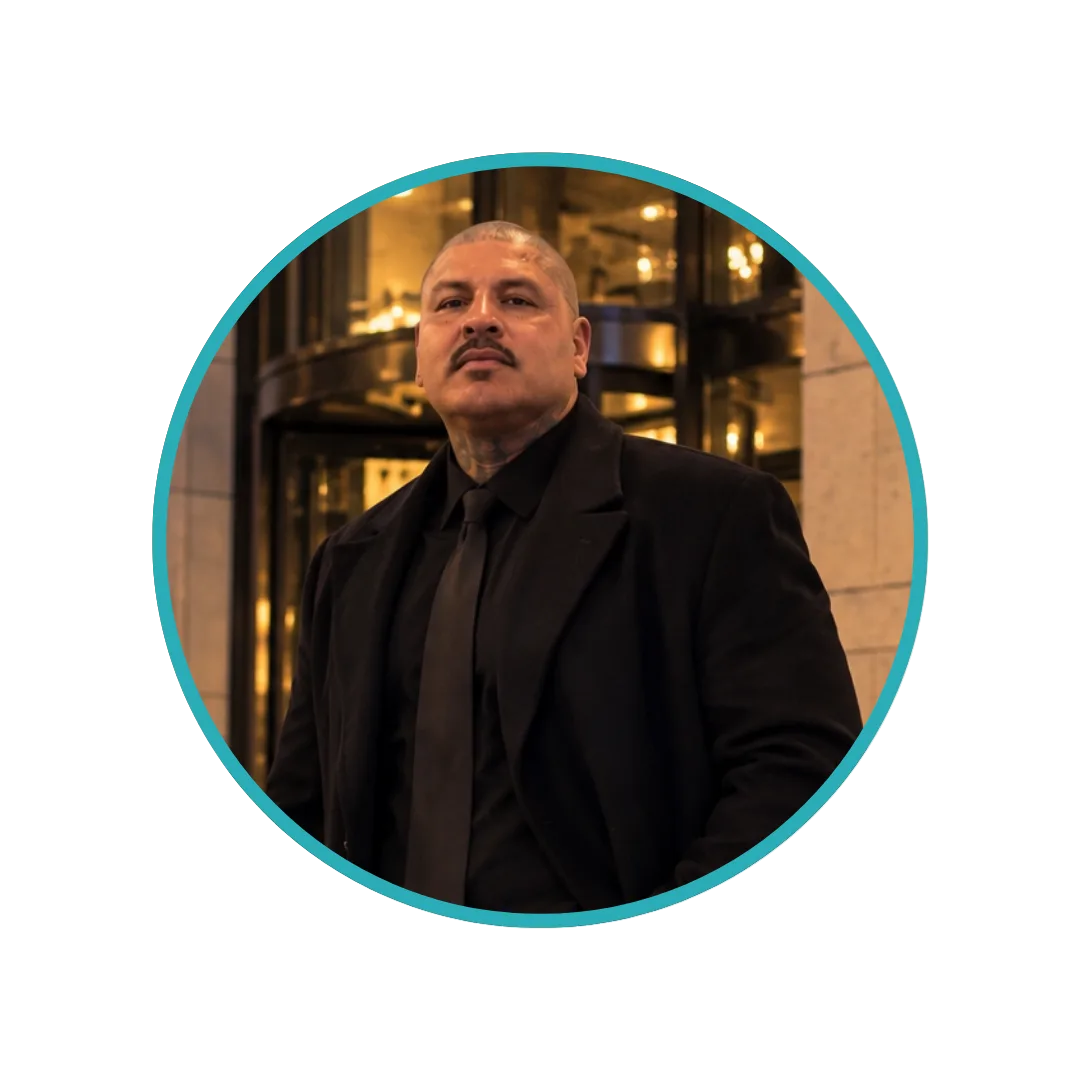
Mt. San Antonio College
I’m passionate about change and recovery because I’ve experienced the power of change in my own life, I want to help others feel supported instead of judged and show that our past does not define our future.
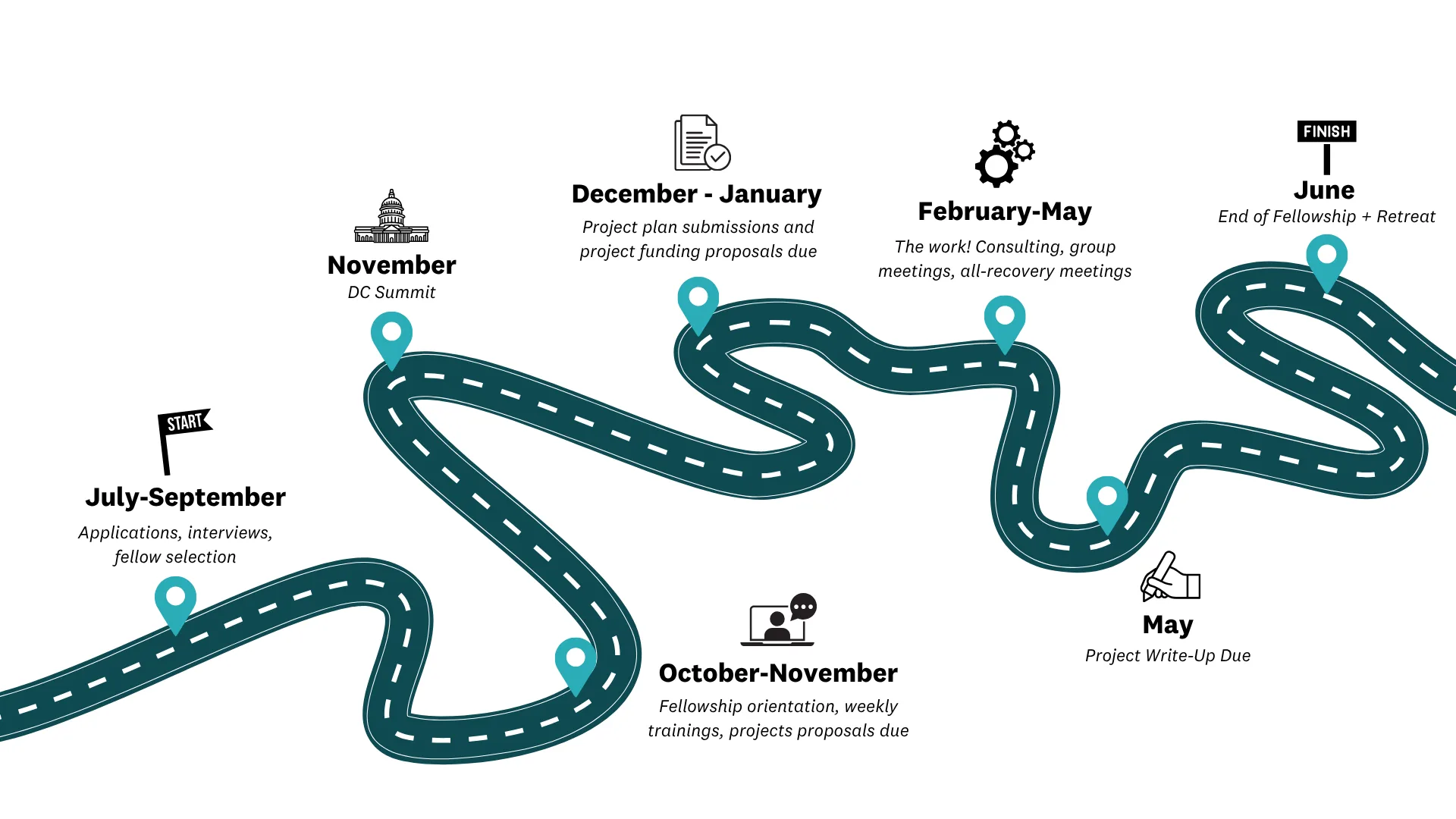
Program Timeline
CRLA’s Impact
CRLA 2025-2026 Impact Book
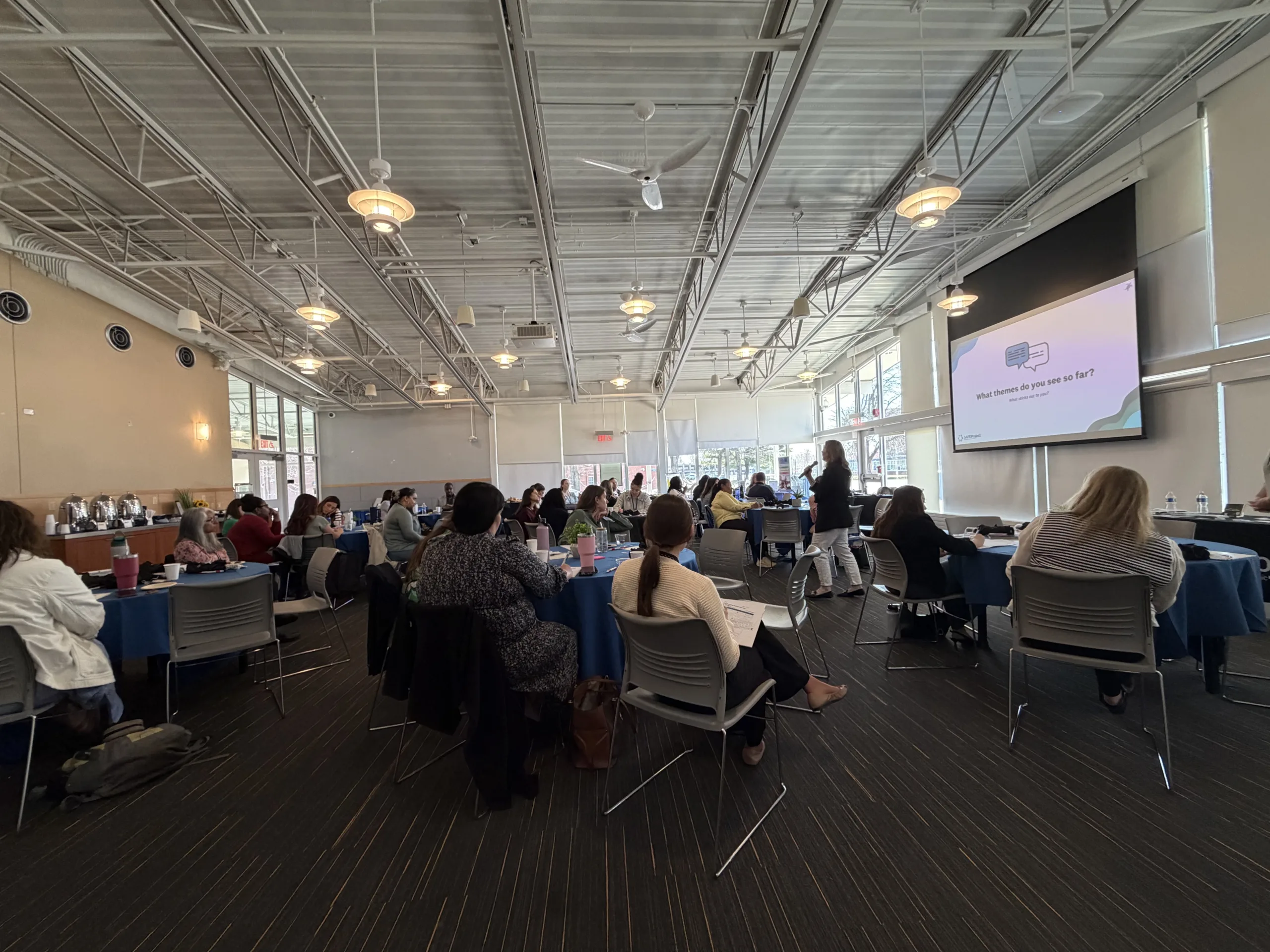
Throughout the year, CRLA Fellows and Working Group Leaders (WGLs) designed and implemented Impact Projects on their campuses, centering prevention, harm reduction, or recovery. Additionally, they participated in trainings focused on leadership and recovery-supportive practices, attended two in-person events, and connected monthly with a supportive cohort of peers and mentors from around the country. At its core, the CRLA seeks to develop student leaders as they create meaningful and lasting change in the lives of those in their communities.
This booklet reflects the dedication, passion, and hard work of the 2025-2026 cohort of CRLA Fellows and WGLs. Collectively, Fellows and WGLs worked to establish or expand collegiate recovery initiatives, host allyship and educational trainings, distribute harm reduction and overdose prevention supplies, raise awareness and combat stigma, lead artistic recovery support activities, influence campus policy or structural change, conduct research, and secure dedicated space for students in recovery to gather. Projects impacted college students, campus faculty and staff, local communities, and recovery organizations.
Together, Fellows and WGLs worked across 30 campuses, reaching more than 4,250 individuals throughout the United States. Yet these numbers only tell part of the story. Throughout the program, Fellows and WGLs navigated challenges, adapted to changing campus climates, built relationships, and made space for connection and support within their communities. While many projects have tangible outcomes, they don’t always go as planned, which is why success, in our minds, is not defined by metrics alone.
Katie King, CRLA ’25 Graduate
The chance to collaborate with peers and mentors, share experiences, and develop leadership skills while advocating for mental health and addiction recovery is both fulfilling and empowering. Additionally, being part of a movement that seeks to reduce stigma and promote awareness around recovery aligns with a passion for creating inclusive and supportive environments for all students.
Campus
North Carolina State University
Frankie Berryman, CRLA ’24 Graduate
I loved the general structure/idea of the CRLA, where we got to focus on a specific project addressing needs in our communities. Walking through the entire planning and execution process from start to finish was very fulfilling and taught me a lot about planning, research, and execution.
Campus
Kennesaw State University
Fiona Knoster, CRLA ’23 Graduate

CRLA was truly a one-of-a-kind experience. This program gave me the opportunity to use my experience with being impacted by a loved one’s substance use disorder to create positive change on my campus. I’m so grateful for the opportunity CRLA has given me to be a catalyst in starting and encouraging the discussion of recovery and substance use disorder awareness on my campus and in the surrounding areas. Throughout these past eight months with CRLA, I have found purpose in my experience and gained confidence like none other in my capability to make a difference.
Campus
University of Pittsburgh, Johnstown
Melissa Hall, CRLA ’21 Graduate
Before I started my journey with the CRLA I thought that I was alone in my vision to bring addiction recovery awareness to higher education. This program has shown me that is not the case and that I am in fact surrounded by many others who share my values, hopes, and dreams.
Campus
Iowa State University
Matthew Patterson, CRLA ’21 Graduate
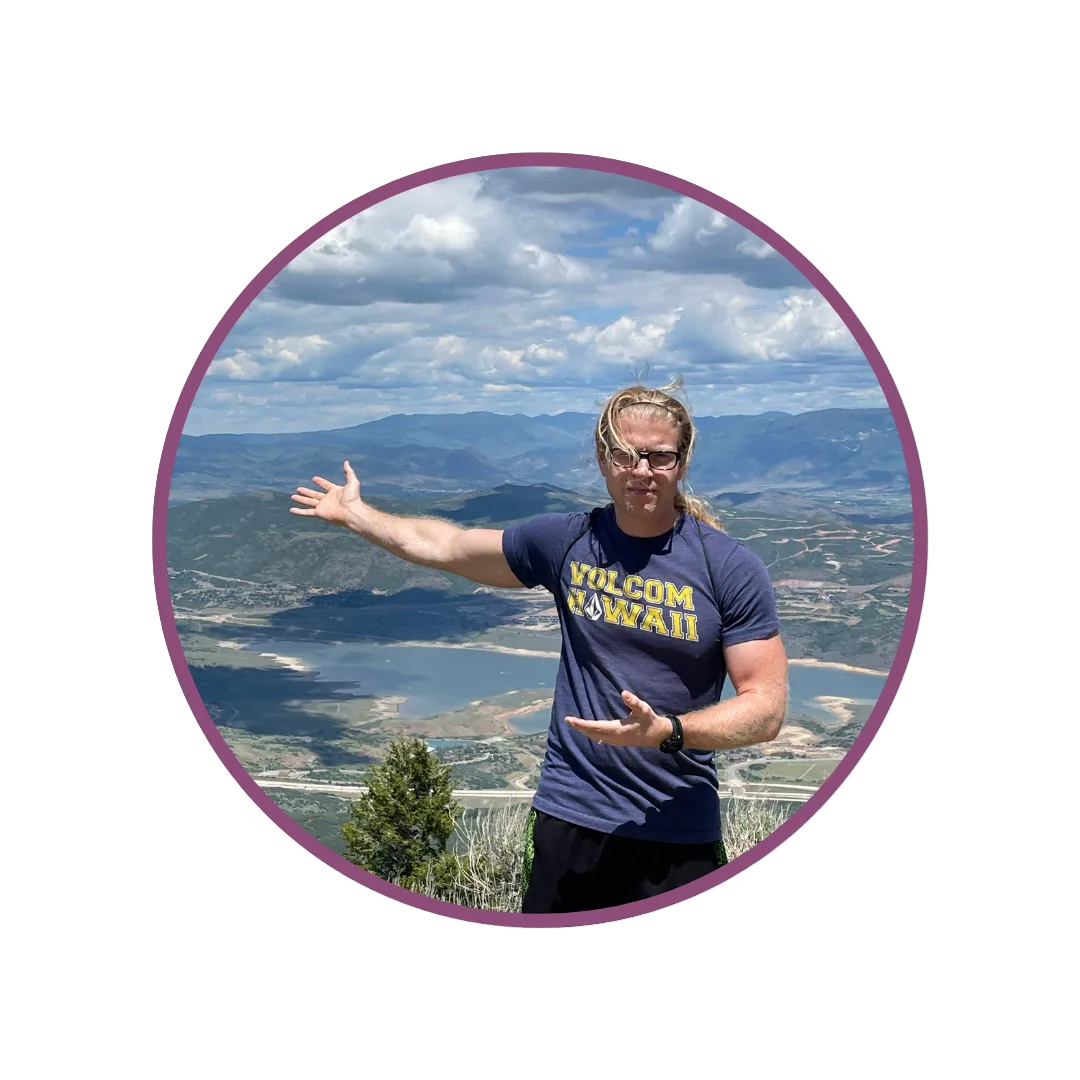
The CRLA gave me a voice. I felt empowered and accepted. I learned that there is value to my lived experience and that my past is my greatest resource. I was able to connect with other students in recovery and feel like less of an imposter. I learned I was not alone and that, if I had the courage, I could make a difference on my campus, and I did, all because the CRLA supported me every step of the way.
Campus
Florida Atlantic University
Lilinoe Kauahikaua, CRLA ’20 Graduate
This was an absolutely incredible program. Not only has this helped to grow our campus program, but I myself have grown. I have gained confidence and been able to connect with people I never would have been able to connect with without this program.
Campus
University of Hawai’i, Mānoa
Learn More About CRLA’s Impact
For over 7 years, the Collegiate Recovery Leadership Academy (CRLA) has partnered with students across the country, providing the tools, training, and community needed to advance substance use and mental health prevention, harm reduction, and recovery on their campuses.