

Will Poulter and Noah Centineo deliver pitch-perfect performances as brothers Cody and Jack Parsons, each navigating a court-mandated drug rehabilitation program in a pocket of rural Ohio hit hard by the opioid epidemic. Provided with hope for the first time since their struggles began and with the support of a tireless counselor (Annette Deao), the brothers work toward a brighter, sober future.
Poulter and Centineo blend seamlessly with a supporting cast composed predominantly of non-professional actors as they share their actual experiences, pain, and optimism as they, themselves, navigate the program. Ohio-born filmmaker Ad Meeks creates a film imbued with realism for an honest, compassionate portrait of battle being fought across America and the solidarity that flowers on its front lines.
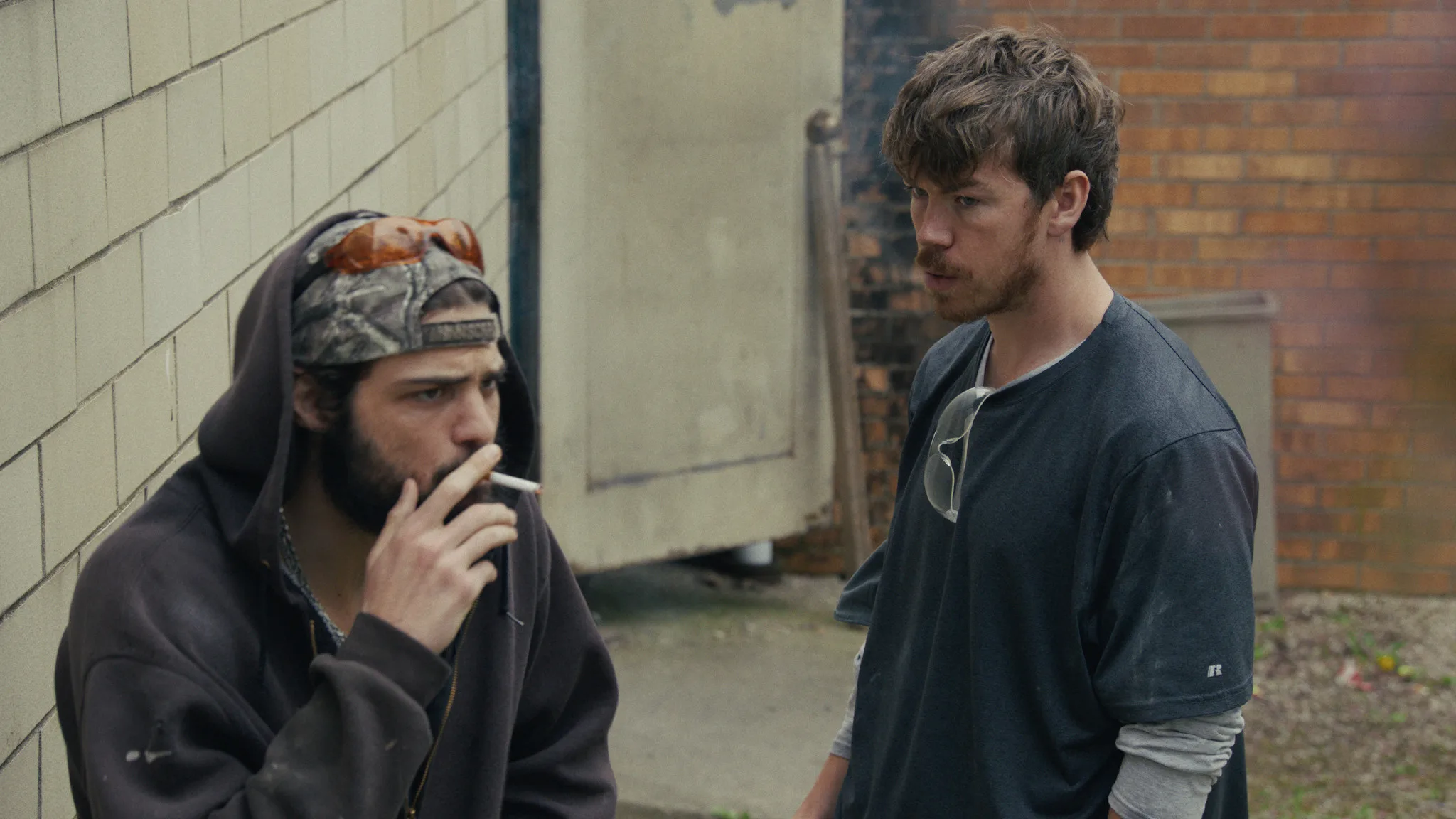
Watch the Trailer
Be an Ally. Be Prepared.
SAFE Locator
Designed to help locate treatment and recovery housing options best matched to your or your loved one’s needs, the SAFE Locator operates in an easy and anonymous way.
No Shame
This national anti-stigma campaign works to transform how we understand and talk about addiction and recovery by providing individuals, communities, and organizations with practical tools to combat stigma – grounded in compassion, dignity, and respect.
Safe Spot
One of the greatest predictors of if an overdose ends fatally is the presence of equipped bystanders. This tool helps ensure that anyone using drugs can be “spotted” by a compassionate and caring person prepared to intervene if the caller becomes unresponsive.
Naloxone Information
Naloxone, the opioid overdose reversal medicine, is easy to administer and effective. SAFE Project hosts information, training, and materials to equip communities with the information and tools needed to save a life.
Additional Resources
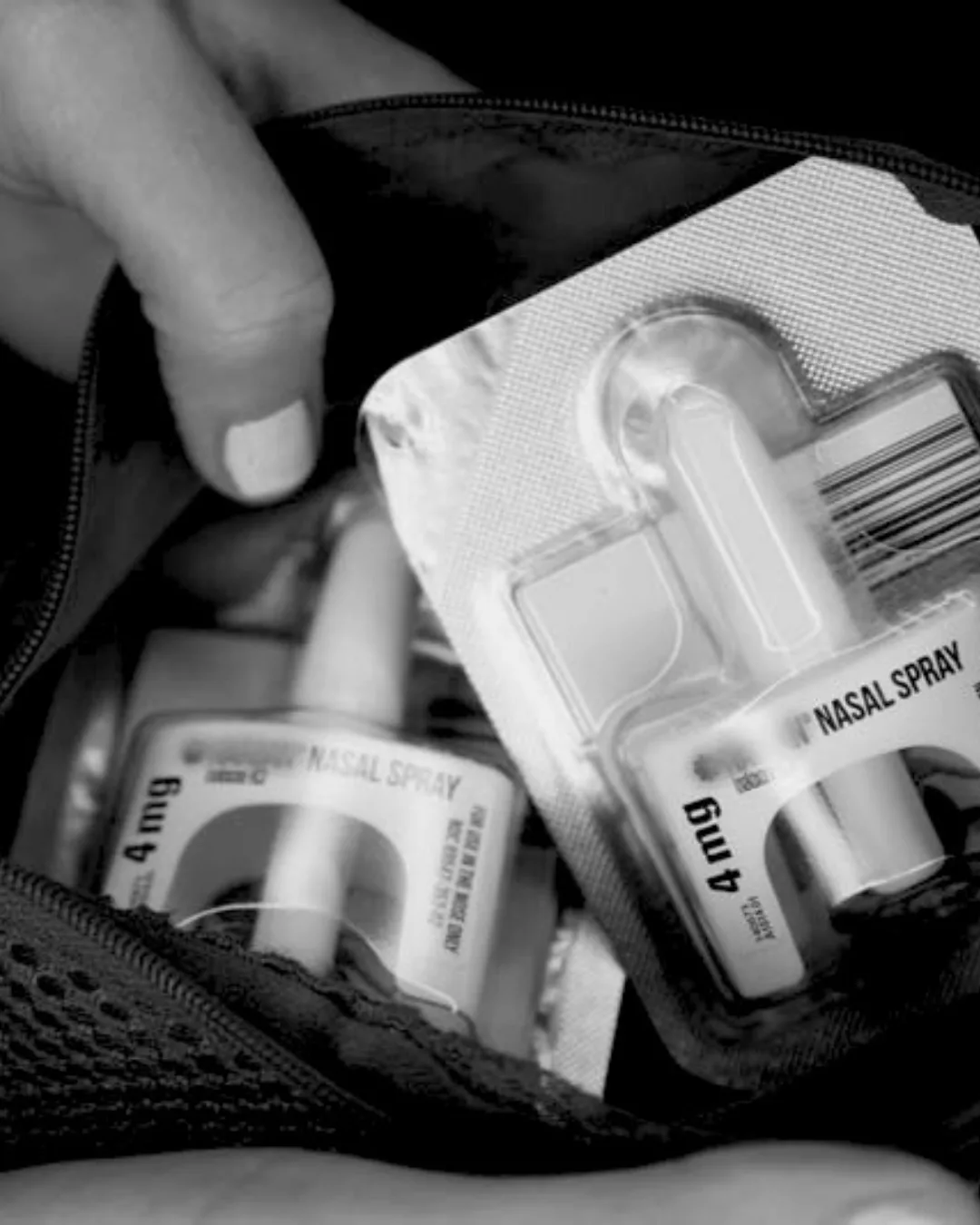
The Truth About Harm Reduction
Multiple Pathways of Recovery
How To Support Your Friend’s Transition Out of Treatment
From the Film’s Director
Both sides of my family come from central Ohio, and much of my upbringing was spent living in or visiting the region. In 2017, I moved back to Union County for a summer — I wanted to better understand the place my family calls home. My uncle introduced me to a drug court judge — a friend of his — and after a brief conversation, I was invited to sit in on a meeting at the courthouse. The courtroom felt like a sanctuary — a community of people seeking support, a handful of court employees there to help as best they could, and a pervasive feeling of empathy and the embracing of individual humanity. In the years since then, I’ve maintained a collaborative creative practice within this community I hold dear, and many members of the drug court, both participants and employees, have become friends.
The opioid epidemic has been ravaging the United States for decades, and while much attention has been paid to Big Pharma and the root causes and effects of the epidemic, topics of addiction treatment and access to recovery communities are still under-recognized. Although many recovery programs across the country are ineffective or problematic, the drug courts I’ve observed in Ohio are profound in their values, their success rates, and in their underlying sense of hope and connection. With Union County I’ve intended to look directly at that notion of connection, to celebrate the drug court and its participants, and to explore a complex but hopeful counter-narrative to the opioid epidemic that needs to be seen — a young man getting back on his feet.
While the film employs a fictional dramatic narrative built around Will Poulter and Noah Centineo’s central performances, many of the court interactions emerge through a documentary process in the real space, with the real people. Additionally, many of the supporting characters are portrayed by non-professional actors from the Ohio recovery community playing versions of themselves; this includes Annette Deao, Judge Braig, and the majority of the recovery community surrounding our lead actors.
The convergence of professional and non-professional actors is intended to ground the story in authenticity and to invite collaboration from the community and the real-life characters themselves.
I believe strongly in the power of narrative to shape individual and collective thought. Recovery is possible and it’s happening every day all over this country, quietly, incrementally, and there’s immeasurable power in witnessing and understanding that possibility.I hope this film encourages audiences to take a closer look at the harmful stigmas and cultural assumptions surrounding addiction; I hope it highlights the presence of grace, hope and joy in a space often represented by tragedy. As Cody emerges on the other side of guilt, shame and despair, I hope this film exemplifies the power of our communities in helping us transcend our pasts, our setbacks and the forces that limit us. Every week, Annette sits down at the county jail and offers incarcerated men and women a shot at recovery and the foundations for a new life. And every week, someone like Cody says “yes, I’ll give it my best shot.”
Our film starts here.
-Adam Meeks