

Every Person. Every Community. Prevention Together – It Matters!
Prevention saves lives. That’s why we at SAFE Project use proven prevention strategies in all we do. Full-spectrum prevention requires all of us to try to prevent issues before they start, respond early when concerns appear, and reduce harm and improve quality of life.
During Prevention Month, we hope to empower action and inspire people to prioritize and integrate prevention into every life. Together, we can strengthen the life-changing impact of consistent, ongoing prevention education, skill-building, and support.
Take Action
Prevention matters now more than ever. Each of us can step forward to help build healthier, stronger communities and families.
End Stigma, Join the No Shame Movement: Sign the No Shame Pledge today!
Gain knowledge and skills through our Prevention Webinar series. Explore how to champion healthy relationships and protective factors.
Prevention Matters: Take our Opioid Overdose Response Training on October 29th!
Learn prevention basics with our Prevention Point Segments.
Practice and learn safe In-Home Medication Disposal.
Previous Prevention Month Webinars
Opioid Overdose Response Training
October 29, 2026 • 1:00 PM ET
Led by our SAFE Campuses team, participants will learn how to identify the signs of an opioid overdose, administer naloxone, and understand the importance of timely intervention.
Register for Training
Message from the Senior Director of Prevention: Ronna Yablonski
October is National Prevention Month, a time to shine a brighter light on something that matters every day: Prevention!
Prevention is intentional, proactive, and should be woven into our everyday lives. It is so much more than a single event, a one-time “drug talk,” or a simple slogan. Rest assured, prevention isn’t about striving for perfection; rather, it’s about progress and growth.
Whether we prevent mental health challenges or substance misuse before it starts, respond early when concerns arise, or reduce harm and support quality of life, prevention takes many forms. At its heart, prevention is about the intentional actions we take to strengthen protective factors while reducing risks.
Protective factors are qualities and conditions that support our health and well-being. Think of personal strengths, supportive family relationships, positive school environments, and connected communities. Protective factors can look different for everyone and we can build upon them and strengthen them over time. They’re also interconnected. When we work on one factor, like personal connections, it can help us grow in other areas. Protective factors are good!
For help with identifying and building protective factors, check out our Prevention Point segments on the topic, with several also offering a hands-on worksheet that is downloadable and ready for use.
Have an idea, question, or curiosity about prevention?
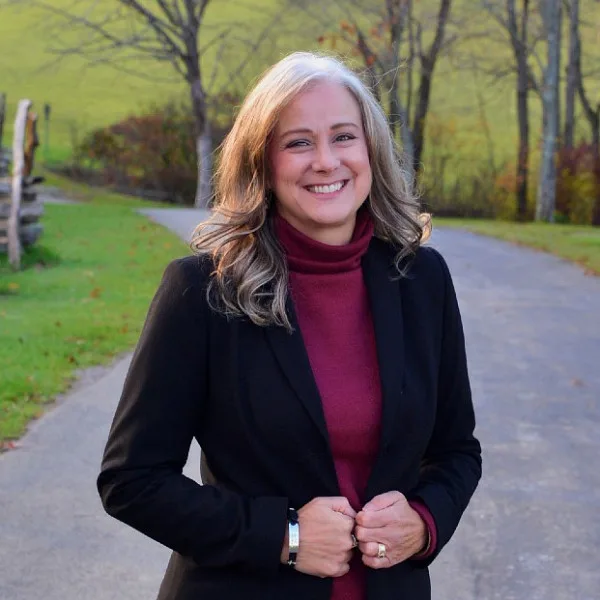
Let’s connect. I’m always happy to listen, learn, and explore opportunities to grow prevention together.
prevention@safeproject.us
Prevention Month reminds us that parents, caregivers, educators, healthcare professionals, employers, youth-serving organizations, faith communities, policymakers, and community members all play an important role in prevention.
Every Person. Every Community. Prevention Together – It Matters!
Prevention Partnerships and Collaborations
In-Home Medication Disposal
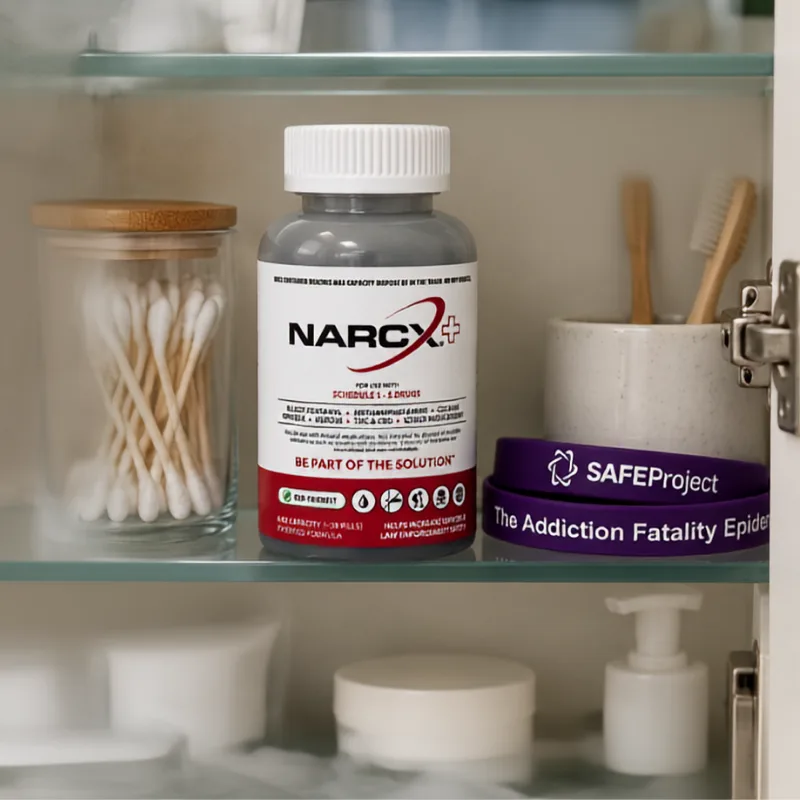
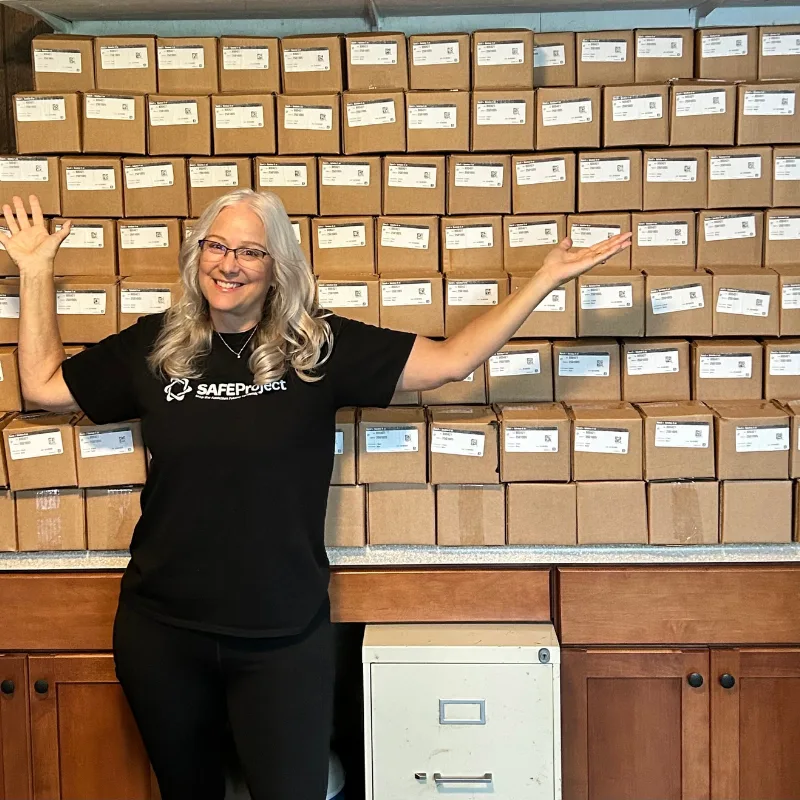
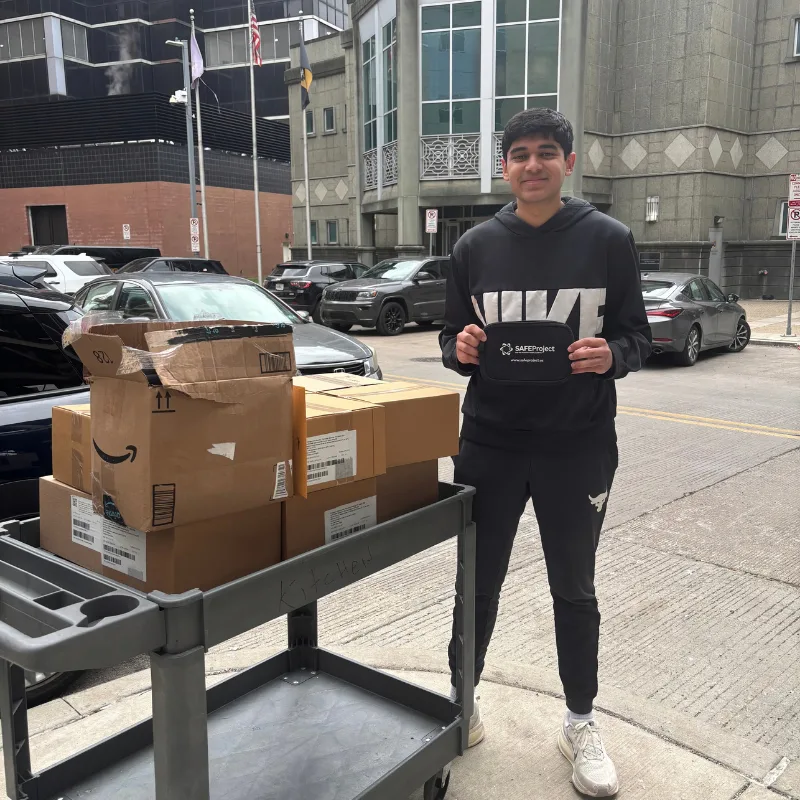
Partnering with NarcX
Make safe medication disposal part of your prevention routine. Safely disposing of medications as soon as they are no longer needed helps create safer homes and reduces opportunities for misuse. It’s a simple, proactive step we can all take—and one that can make a life-saving difference.
“NarcX is committed to helping households across the country safely dispose of unused medications and prevent harm to those they love.”
David Schiller • Chief Executive Officer, NarcX
Simply Neuroscience Partnership
Special Announcement Coming Soon!
Prevention Podcast Features
The Overdose Report
Featuring Ronna Yablonski
Ronna brings more than 20 years of experience in youth substance use prevention and community-based work to the conversation.
The Pulse of Prevention
Featuring Ronna Yablonski
Ronna Yablonski’s message highlights why youth involvement isn’t just helpful — it’s essential. Check it out as she shares her experience.
The Overdose Report
Featuring CEO Jeff Horwitz
Jeff discusses the importance of prevention education and young peoples’ role in prevention.
Just Say Something
Featuring Cal Beyer
Cal Beyer, Sr. Director of SAFE Workplaces, discusses prevention, substance use, and mental health.
Prevention Leaders Podcast
Featuring Adam Swift & Ronna Yablonski
They discuss what prevention looks like in practice and how parents, educators, leaders, neighbors, and peers can all play a part.
Prevention Spotlight Features
Hear from Members of our Youth VOICE Council
We are showcasing real-world examples of prevention in action, highlighting the innovation of young people who are making a difference every day. Through these stories, we celebrate what’s possible when we take proactive steps to strengthen health and well-being. Together, these stories demonstrate that prevention matters and that we all have a role to play. Every Person. Every Community. Prevention Together – It Matters!
Danielle Choi
Danielle Choi has a favorite way of thinking about collaboration: raindrops.
“One person is one raindroplet,” she says. Bring enough of those individual drops together, though, and suddenly you have something much more powerful.
It’s an image that captures Danielle’s approach to prevention remarkably well.
Ronit Ginde
When Ronit Ginde arrived on the scene, the young person was unconscious.
As an emergency medical technician, Ronit watched his partner administer naloxone while he helped ventilate the patient. Eventually, the person woke up and was transported to the hospital.
The response worked. But for Ronit, a high school student who had already developed an interest in healthcare and community service, the experience left behind a bigger question.
Why did the naloxone have to arrive with the ambulance?
So Eun Kang
When So Eun Kang first noticed naloxone sitting beside the tables in a research lab at Case Western Reserve University, she had a simple question for her mentor: What is this?
She learned that naloxone is a medication that can reverse an opioid overdose. What surprised her was not only what the medication could do, but that she had never heard about it before.
Not at school. Not in health class. Not alongside the other emergency response tools young people routinely learn about.
Join Today!
Prevention Point Segments
Our Prevention Point series offers practical, easy-to-use prevention tips, breaking down key concepts into simple ideas that are easy to understand and apply in everyday life.
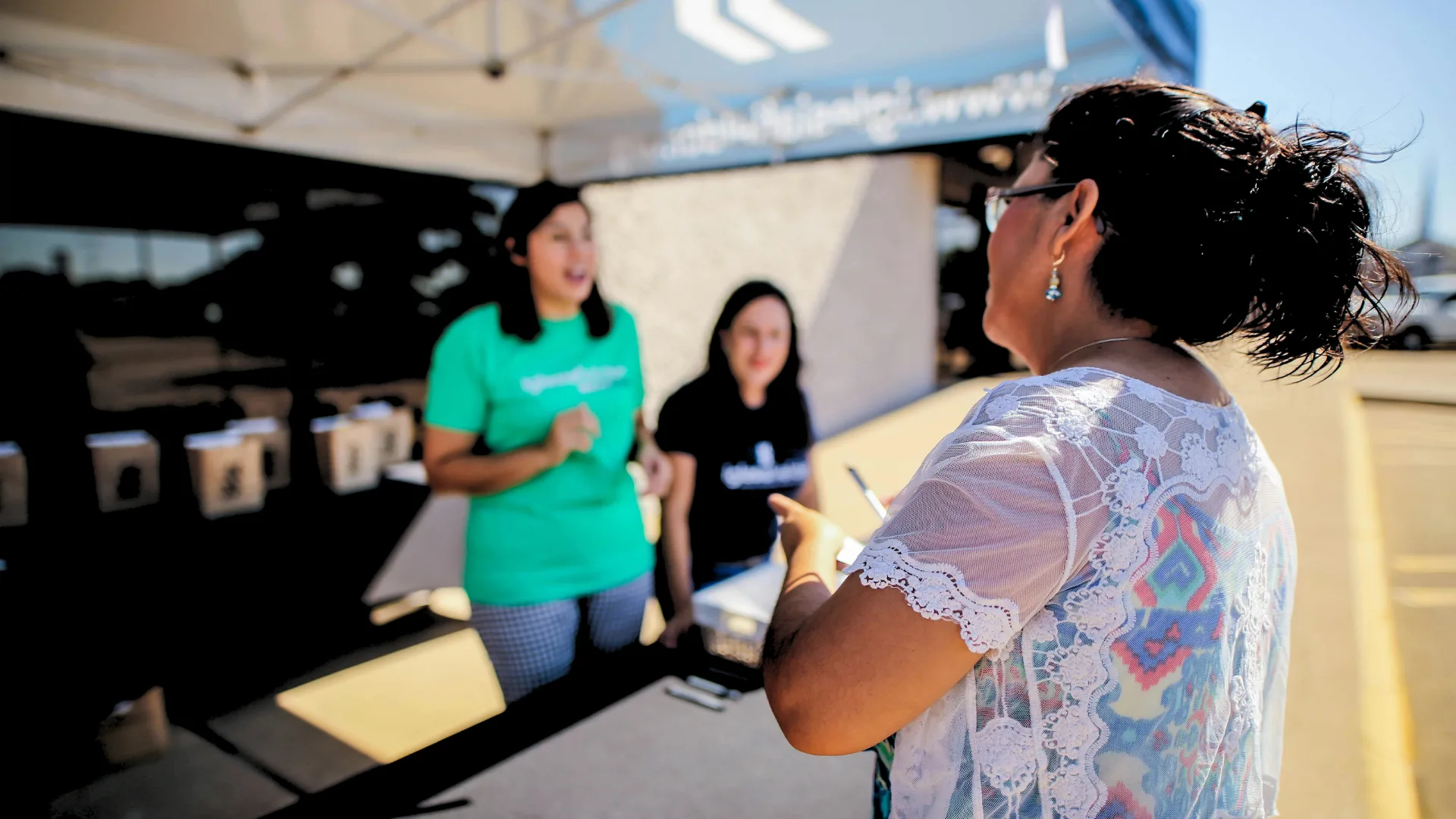
Identifying and Building Individual Protective Factors
May 2026

Connections Matter – Relationships as Protective Factors
June 2026